How to Prune Purple viper's bugloss?
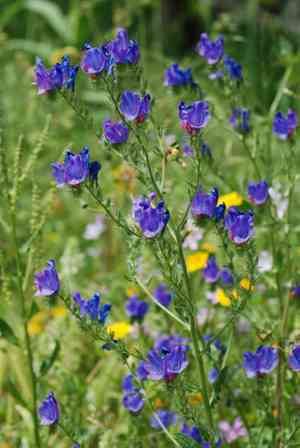
Originating from the Mediterranean region, purple viper's bugloss is recognized by its vivid violet blossoms and spear-shaped foliage. To foster a denser habit and increased flowering, routinely snip off faded blooms. Trimming ought to be performed following the final frost of spring, stimulating robust new development. Removing spent flowers throughout the summer blooming season aids in extending the floral display. In autumn, shorten elongated stalks to preserve its form. Pruning enhances air movement and the plant's well-being, potentially lowering the chances of illness. Refrain from extensive cutting during winter to safeguard the plant.
What Are the Benefits of Pruning Purple Viper's Bugloss?
What Are the Benefits of Pruning Purple Viper's Bugloss?
Trimming purple viper's bugloss promotes robust development and helps maintain its desired form. Removing faded blooms and dead stalks stimulates fresh, healthier growth, ensuring purple viper's bugloss stays strong and visually appealing.
What Is the Best Time for Pruning Purple Viper's Bugloss?
What Is the Best Time for Pruning Purple Viper's Bugloss?
Pruning purple viper's bugloss in Spring is optimal as the plant recovers faster during this active growth phase. Early Summer trimming can be done to remove spent flower stalks, encouraging a potential second bloom and preventing self-seeding, which is crucial since purple viper's bugloss can be invasive. Late Fall pruning, after flowering has ended, is beneficial for shaping the plant and eliminating dead or diseased growth before winter dormancy. These ideal timings ensure the health of purple viper's bugloss, aligning with its natural growth cycle and seasonal needs.
What Tools Do I Need to Prune Purple Viper's Bugloss?
Hand Pruners
Perfect for cutting back smaller stems, faded flowers, and seed pods of purple viper's bugloss, helping maintain shape and preventing self-sowing if desired.
Pruning Shears
For shaping and removing spent flower stalks, pruning shears provide precise cuts that aid in preserving the health and look of purple viper's bugloss.
Gardening Gloves
Gloves protect hands from purple viper's bugloss's stiff hairs that might irritate skin during pruning activities.
Loppers
If purple viper's bugloss has grown large and established, loppers can be used for cutting thicker, woodier stems.
Pruning Saw
For mature purple viper's bugloss plants with very thick stems, a pruning saw might be necessary to efficiently cut back larger branches.
How to Prune Purple Viper's Bugloss
Identify
Examine purple viper's bugloss for wilted leaves, focusing on those that are discolored, dry, and clearly dead, as these can harm the plant's overall vitality.
Sanitize
Clean and sterilize pruning shears with alcohol before trimming purple viper's bugloss to prevent the spread of diseases.
Cut
Using the pruning shears, snip off the withered leaves at their base where they meet the stem or main branch, being careful not to damage healthy parts of purple viper's bugloss.
Dispose
Collect and discard the removed leaves in a compost bin or via other suitable methods to avoid reinfection or attracting pests to purple viper's bugloss.
Monitor
Regularly observe purple viper's bugloss after pruning for any signs of stress or new growth, and repeat the pruning process as new withered leaves appear to maintain plant vigor.
Common Pruning Mistakes with Purple Viper's Bugloss
Over Pruning
Cutting back purple viper's bugloss too severely can stress the plant, leading to reduced flowering or even its demise. Prune no more than one-third of the plant at a time.
Incorrect Cut Location
Making cuts too far from a bud, leaf node, or branching point can result in unsightly stems and an increased risk of disease.
Using Dull Tools
Pruning with dull tools causes jagged cuts that can harm purple viper's bugloss by damaging its tissue and making it more vulnerable to disease.
Pruning To Shape
Attempting to prune purple viper's bugloss into a formal shape is a mistake as it naturally has a wild, informal habit that responds poorly to strict shaping cuts.
Ignoring Dead Or Diseased Stems
Failing to regularly remove dead or diseased stems can hinder purple viper's bugloss's growth and health as they can harbor pests and diseases.
Common Pruning Tips for Purple Viper's Bugloss
Sanitizing Tools
Clean and disinfect pruning tools before and after use on purple viper's bugloss to prevent the spread of diseases.
Pruning For Health
Remove dead, diseased, and damaged stems as soon as they are noticed to keep purple viper's bugloss healthy and to encourage new growth.
Selective Pruning
Selectively thin out overcrowded areas on purple viper's bugloss to improve air circulation, which reduces the risk of fungal infections and encourages more robust growth.
Encouraging Blooms
Pinch out the tips of young purple viper's bugloss plants to encourage bushier growth and more flowers. Later, deadhead spent flowers to promote further blooming.
Timing Of Pruning
While the best season for pruning is not to be included, ensuring that pruning is done promptly according to purple viper's bugloss's growth cycle is crucial for its well-being.



