Optimal Fertilizer for Growing Purple viper's bugloss: What You Need to Know
1
Echium plantagineum flourishes in moderately alkaline earth, optimally within a pH range of 7.0 to 8.0.
2
Refrain from excessive fertilization; this can damage the plant's roots and hinder its development.
3
Applying mulch around the plant's base assists in moisture retention and encourages robust root growth.
Understanding the Nutritional Requirements of Purple viper's bugloss
Key Nutrients for Robust Development
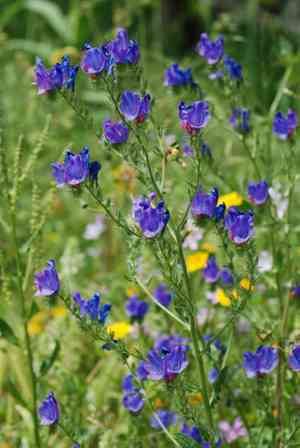
Purple viper's bugloss, a resilient biennial, is recognized for its striking blue-purple blooms. To achieve peak growth and vibrant flowers, comprehending its nutrient demands is essential. This plant primarily requires a balanced supply of macronutrients: Nitrogen (N) for foliage, Phosphorus (P) for root growth, and Potassium (K) for general health and disease resistance. Additionally, micronutrients like Iron, Magnesium, and Manganese are vital for chlorophyll creation and other biological functions. Ensuring a balanced diet of these nutrients will keep your purple viper's bugloss lively and thriving.
Indicators of Nutrient Deficiencies
Identifying signs of nutrient deficiencies in Purple viper's bugloss is crucial for early intervention. Common symptoms include yellowing leaves, stunted development, and weak stems. Nitrogen deficiency often appears as pale or yellowing leaves, starting with older foliage. A lack of phosphorus can lead to delayed blooming and poor root formation, frequently seen as a purplish tint on leaves. Potassium deficiency may cause scorched leaf edges and reduced resistance to pests and diseases. Regular inspection for these signs can help you implement timely corrective actions.
Selecting the Appropriate Fertilizer for Purple viper's bugloss
Organic Versus Synthetic Fertilizers
When fertilizing Purple viper's bugloss, both organic and synthetic options offer benefits. Organic fertilizers, such as compost and manure, release nutrients gradually and enhance soil structure, fostering healthy root growth. They are eco-friendly and minimize the risk of over-fertilization. Conversely, synthetic fertilizers provide a rapid nutrient boost and are simple to apply with precise nutrient ratios. However, they can cause nutrient runoff and soil degradation if not used correctly. A balanced approach, combining both types, often yields the best outcomes for your plants.
Recommended NPK Ratio
For Purple viper's bugloss, a balanced fertilizer with a 10-10-10 NPK ratio is generally advised. This provides an equal proportion of nitrogen, phosphorus, and potassium, ensuring comprehensive plant health. Alternatively, a slightly higher phosphorus ratio, such as 10-15-10, can be advantageous during the blooming phase to encourage abundant flowers. Always adhere to the manufacturer's instructions and adjust the ratio based on your soil's nutrient content and the plant's specific requirements.
Effective Fertilization Methods
Optimal Fertilizing Schedule
Fertilizing Purple viper's bugloss should ideally occur during its active growth period, which is summer. A general guideline suggests applying fertilizer every 4-6 weeks. However, frequency can vary based on the fertilizer type and soil fertility. Organic fertilizers typically require less frequent applications compared to synthetic ones. Observing your plant's growth and appearance will help you determine the correct timing.
Best Practices for Applying Fertilizer
Correct fertilizer application is vital for the health of Purple viper's bugloss. Begin by thoroughly watering the plant before fertilization to prevent root burn. Distribute the fertilizer evenly around the plant's base, avoiding direct contact with the stem. Lightly rake the soil to incorporate the fertilizer and water again to help nutrients penetrate the soil. Mulching around the base can further assist in moisture retention and slow nutrient release.
Monitoring the Health of Purple viper's bugloss After Fertilization
Observing Growth and Development
After fertilizing, closely observe your Purple viper's bugloss for indications of improved growth and vitality. Look for vibrant, green foliage, increased flower production, and overall robustness. Regular growth checks will help you identify any persistent issues and determine if additional nutrients are needed. Maintain a journal to record changes and the effectiveness of your fertilization routine.
Adjusting Care Practices as Needed
Sometimes, despite your best efforts, plants may show signs of nutrient imbalance or stress. Be prepared to modify your care practices if necessary. If you notice persistent yellowing leaves or poor growth, consider performing a soil test to better understand nutrient levels and pH. Based on the results, adjust your fertilization strategy and irrigation practices to meet the specific needs of your Purple viper's bugloss.



