Enhancing Your Garden Design with the Purple viper's bugloss Plant: A Landscaping Guide
1
Incorporating Purple viper's bugloss into your garden design can greatly elevate its aesthetic charm.
2
Purple viper's bugloss is recognized for its minimal care requirements, perfect for gardeners with limited time.
3
Beyond its beauty, Purple viper's bugloss contributes to local ecological diversity by drawing in beneficial pollinators.
An Introduction to Purple viper's bugloss in Garden Design
Aesthetic Contributions of Purple viper's bugloss
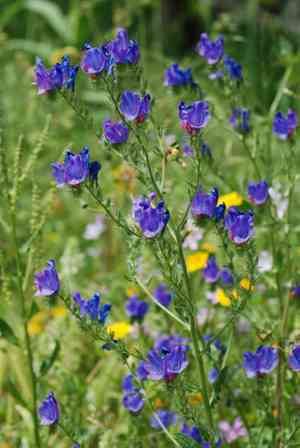
To elevate your garden's visual appeal, Purple viper's bugloss shines with its vivid colors and distinct form. Its striking hues offer a beautiful contrast to your garden's foliage, creating a captivating focal point. Its tall, graceful spires introduce vertical interest, drawing the gaze upward and suggesting a larger area.
Understanding Purple viper's bugloss's Growth Patterns
Purple viper's bugloss displays a basal rosette of leaves, from which its flower stalk emerges. This plant typically follows a biennial cycle, dedicating its first year to root and leaf development, with abundant flowering occurring in the second year. Grasping this growth habit is vital for gardeners planning their landscape projects, enabling efficient space and time management.
Seasonal Transformations and Visual Impact
The seasonal shifts Purple viper's bugloss undergoes significantly contribute to its visual presence in your garden. From late spring to early summer, Purple viper's bugloss graces your garden with a profusion of blossoms that transition from deep blues to purples. As the flowers mature, they often lighten in shade, offering a dynamic color range throughout the blooming period. This continuous change keeps your garden looking fresh and lively.
Integrating Purple viper's bugloss into Diverse Landscape Styles
Pairing Purple viper's bugloss with Garden Themes
Whether you have a cottage garden, a Mediterranean-inspired landscape, or a modern minimalist arrangement, Purple viper's bugloss can seamlessly integrate into various garden themes. Its rustic charm makes it an ideal choice for cottage gardens, where its natural, wild appearance enhances the informal and eclectic atmosphere. In Mediterranean landscapes, its drought-tolerant nature complements other sun-loving plants, creating a cohesive and resilient garden design.
Companion Plants for Purple viper's bugloss
To accentuate the beauty of Purple viper's bugloss, consider pairing it with companion plants that highlight its characteristics. Plants such as lavender, salvia, and yarrow not only share similar growing conditions but also create a harmonious color palette with Purple viper's bugloss's blue-purple flowers. Incorporating grasses and other perennials can add textural contrast, making your garden more visually engaging.
Design Strategies for Optimal Effect
For achieving maximum impact in your garden, strategically position Purple viper's bugloss in groupings rather than planting them individually. This mass planting approach ensures a bold visual statement and attracts pollinators more effectively. Additionally, placing Purple viper's bugloss towards the middle or back of garden beds can create depth and layering, enhancing the overall spatial dynamics of your landscape.
Advantages of Including Purple viper's bugloss in Your Landscape
Ecological Benefits of Purple viper's bugloss
Purple viper's bugloss is more than just an attractive addition to your garden; it also provides several ecological advantages. It serves as an excellent nectar source for various pollinators, including bees, butterflies, and hummingbirds. By incorporating Purple viper's bugloss into your garden, you are contributing to the local ecosystem and supporting these crucial species.
Low Maintenance Benefits
One of the significant benefits of adding Purple viper's bugloss to your garden is its minimal care requirements. Once established, Purple viper's bugloss is quite drought-tolerant and can thrive with little water. This makes it an ideal choice for gardeners seeking beautiful yet easy-to-care-for plants. Furthermore, Purple viper's bugloss needs minimal fertilization and is relatively resistant to pests and diseases, further reducing the need for constant attention.
Boosting Local Biodiversity
Integrating Purple viper's bugloss into your landscape can enhance local biodiversity by attracting various pollinators and beneficial insects. This not only aids in pollination but also fosters a more balanced and healthy garden environment. The presence of Purple viper's bugloss can encourage a greater variety of species, enriching the overall ecosystem of your garden.
Creative Applications for Purple viper's bugloss in Outdoor Areas
Structural Uses of Purple viper's bugloss
Purple viper's bugloss's tall and sturdy flowering spikes make it suitable for various structural applications in your garden. Use Purple viper's bugloss to create natural boundaries or hedges that define different areas of your landscape. Its height and upright growth can also provide a beautiful backdrop for shorter plants, adding layers and depth to your garden design.
Unique Ways to Display Purple viper's bugloss
Showcasing Purple viper's bugloss in distinctive ways can make your garden stand out. Consider planting Purple viper's bugloss in large decorative containers or garden urns to create stunning focal points on patios or terraces. You can also use Purple viper's bugloss to line pathways, creating a picturesque walkway that guides visitors through your garden while they enjoy the vibrant blooms.
Combining Practicality and Aesthetics
Achieving a blend of functionality and style with Purple viper's bugloss is possible through thoughtful garden design. Utilize Purple viper's bugloss in rain gardens or xeriscaped areas to leverage its drought tolerance while adding aesthetic value. Additionally, incorporating Purple viper's bugloss in garden beds around vegetable patches can attract pollinators, boosting the productivity of your edible garden.



