The Purple viper's bugloss Plant Advantage: Maximizing Home and Office Appeal and Wellness
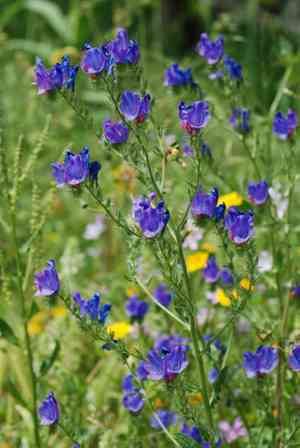
1
Echium plantagineum attracts helpful pollinators such as bees and butterflies.
2
This species flourishes in arid, well-drained ground, requiring minimal upkeep.
3
Echium plantagineum enhances soil quality by inhibiting erosion and enriching nutrient levels.
Drawing in Beneficial Pollinators
Why Are Pollinators Essential?
Pollinators are vital to the ecosystem, assisting in plant reproduction. Bees, butterflies, and other pollinators move pollen from a flower's male parts to its female parts, enabling fruit and seed production. By attracting these pollinators, Purple viper's bugloss ensures your garden stays vibrant and productive.
How Purple viper's bugloss Draws Pollinators
Purple viper's bugloss produces vivid, nectar-rich flowers that attract various pollinators. Its bright purple blooms are especially appealing to bees and butterflies. By adding Purple viper's bugloss to your garden, you create a sanctuary for these helpful insects, fostering biodiversity and the well-being of your garden ecosystem.
Resilient Plant for Arid Gardens
Flourishing in Poor Soil Conditions
Purple viper's bugloss thrives in dry, well-drained soils, making it an excellent choice for gardeners with less fertile plots. Unlike many plants needing rich soil and constant watering, Purple viper's bugloss can prosper with minimal care. This hardiness makes it perfect for drought-prone areas or for gardeners aiming to reduce water use.
Minimal Upkeep Requirements
A key benefit of Purple viper's bugloss is its low-maintenance nature. Once established, it needs little attention, saving you time and effort. Occasional trimming and moderate watering during extreme dry periods are usually enough to keep the plant healthy and flourishing.
Supporting Soil Vitality
Preventing Soil Degradation
Soil erosion can be a major problem in areas with loose or sandy soil. The deep root system of Purple viper's bugloss helps anchor the soil, preventing it from being washed away by heavy rains. This stabilization is crucial for maintaining the integrity of your garden's landscape.
Nutrient Enrichment
Purple viper's bugloss contributes to soil health by fixing essential nutrients. Its presence can improve soil structure and fertility over time, promoting healthier plant growth. This benefit is particularly valuable in garden beds that have been depleted of nutrients or are subject to frequent planting cycles.
Boosting Biodiversity
Creating a Diverse Environment
Including Purple viper's bugloss in your garden helps create a diverse habitat that supports various forms of wildlife. In addition to pollinators, the plant can attract birds and beneficial insects that contribute to natural pest control. This biodiversity ensures a balanced ecosystem where plants and animals can thrive together.
Complementing Other Flora
Purple viper's bugloss can be paired with other garden plants to create attractive plantings that enhance visual appeal. Its purple blooms can serve as a striking contrast to green foliage or complement other flowering plants. By integrating Purple viper's bugloss into your garden design, you not only increase biodiversity but also elevate the aesthetic appeal of your garden.



