How to Prune Japanese millet?
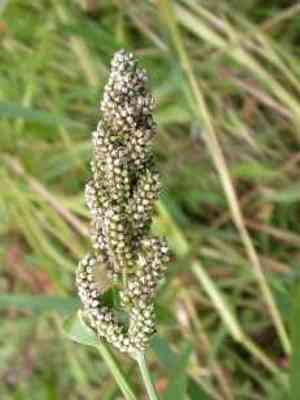
Japanese millet, a resilient cereal recognized for its significant versatility, primarily needs limited trimming to eliminate diseased or superfluous development. The most suitable periods for pruning extend from spring to autumn. During these intervals, trimming not only fosters more robust, thicker growth but also can avert excessive proliferation and illness. Cultivators ought to concentrate on reducing congested sections to enhance air movement, which is vital for preserving the well-being of japanese millet. Consistent pruning throughout these seasons maximizes plant vitality and grain output.
What Are the Benefits of Pruning Japanese Millet?
What Are the Benefits of Pruning Japanese Millet?
Trimming japanese millet promotes robust development and helps maintain its form. By eliminating old and crowded stems, it improves air circulation and light exposure, vital for the plant's strong growth.
What Is the Best Time for Pruning Japanese Millet?
What Is the Best Time for Pruning Japanese Millet?
Japanese millet displays vigorous growth, particularly in warmer periods due to its annual cycle, thriving mainly from late spring through summer. Spring pruning stimulates new growth and helps shape the plant early in the season. Summer pruning allows for upkeep, ensuring health by removing any diseased or overly dense foliage, enhancing air circulation and reducing disease occurrence. Fall pruning is crucial to prepare japanese millet for dormancy, removing any spent or dead foliage that accumulates over the growing season, which can help prevent pest and disease issues during the colder months.
What Tools Do I Need to Prune Japanese Millet?
Hand Pruners
Perfect for selectively trimming leaves or stems of japanese millet to encourage denser growth. These enable precise cuts without harming the delicate stems.
Grass Shears
Suitable for shaping and maintaining the overall height of japanese millet, ensuring that the stems are cut cleanly and effectively.
Scythe or Sickle
Useful for large-scale harvesting or cutting back japanese millet at the end of the growing season. These tools allow quick and efficient cutting of large areas.
How to Prune Japanese Millet
Identify
Locate the withered or yellowed leaves on japanese millet, making sure to differentiate them from healthy, green foliage.
Sanitize
Disinfect the pruning shears or scissors with rubbing alcohol to prevent the spread of diseases before trimming japanese millet.
Cut
Carefully snip off the withered leaves at their base where they connect to the stalk or main part of japanese millet, making a clean, sharp cut to avoid damaging the healthy sections.
Dispose
Properly discard the removed leaves by placing them in a compost bin or disposing of them away from the growing area to lessen the risk of disease transmission.
Monitor
Regularly check japanese millet for any signs of new withered leaves and repeat the pruning process as needed to maintain its health and vitality.
Common Pruning Mistakes with Japanese Millet
Overpruning
A frequent error in pruning japanese millet is removing too much foliage at once, which can severely weaken the plant. This often happens when gardeners try to drastically shape or reduce the plant's size in one session, rather than gradually over several seasons.
Improper cut locations
Another mistake is making cuts either too close to or too far from the main stem or bud, which can hinder proper healing and lead to disease. Correct technique involves cutting just above a node or bud without leaving a large stub.
Using dull tools
Japanese millet is sensitive to the quality of cut, and using dull tools can crush stems and leave jagged wounds that invite pests and disease. Always use sharp, clean pruning tools to make smooth, clean cuts.
Neglecting sanitation
Failing to sanitize tools between cuts, especially when moving between different plants, can spread disease. It's crucial to disinfect pruning tools regularly to safeguard plant health.
Common Pruning Tips for Japanese Millet
Incremental pruning
To encourage healthy growth and flowering in japanese millet, adopt a gradual approach to pruning. Remove only a small percentage of the plant at a time, focusing on dead or weak stems to improve light penetration and air circulation within the plant structure.
Correct cut technique
When pruning japanese millet, make cuts at a 45-degree angle just above a leaf node or bud. This angle helps to prevent water accumulation on the cut surface, thereby reducing the risk of disease. Make sure cuts are smooth and clean to promote efficient healing.
Post-prune care
After pruning japanese millet, it's essential to provide adequate water and perhaps a light application of fertilizer to support recovery and regrowth. This care boosts the plant's resilience and promotes vigorous growth.
Tool maintenance
Maintaining the condition of pruning tools not only aids in making precise cuts but also protects japanese millet from potential damage and disease. Regularly sharpen and oil pruning shears, and disinfect them before and after use to prevent the spread of pests or pathogens.



