How to Propagate Japanese millet?
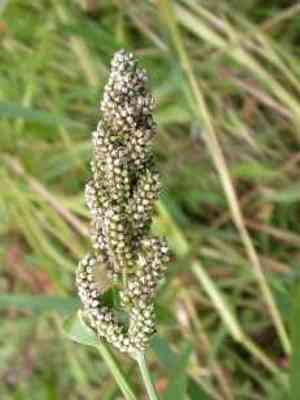
Japanese millet, a resilient grass mainly grown for animal feed and cereal, flourishes most effectively when propagated by seeding. To achieve successful growth, verify that the growing medium is damp and nutrient-rich, with loamy soil being preferable. Correctly positioning seeds at a suitable depth improves germination success, striving for even distribution to prevent overcrowding and encourage peak development.
Optimal Period for Japanese Millet Propagation
Propagation Method
Seeding
Propagation Season
Spring
Essential Tools for Japanese Millet Propagation
Seed trays
Seed trays are perfect for managing the initial growing conditions of japanese millet seeds. They enable uniform planting and efficient use of space, promoting better air circulation and light exposure, which are vital for japanese millet germination. Their compact design also simplifies handling many seeds in a small area, boosting propagation success.
Quality potting mix
A premium potting mix supplies crucial nutrients and proper drainage, which are essential during the germination and early growth phases of japanese millet. The mix should be light yet structured enough to support young plants. The right balance of components in the potting mix helps prevent waterlogging and diseases, fostering healthier seedling development.
Watering can with a fine rose
A watering can equipped with a fine rose attachment is crucial for gently irrigating japanese millet without disturbing the seeds or eroding the soil. This tool ensures that delicate seeds and emerging seedlings receive a soft, even spray of water, necessary for maintaining adequate soil moisture throughout the critical germination period.
Heat mat
A heat mat is particularly useful for maintaining a steady soil temperature, which encourages quicker and more consistent germination of japanese millet. Given japanese millet's temperature sensitivity during its early growth stages, a heat mat can be vital in providing the warm conditions this plant species thrives in.
Grow lights
If natural light conditions are insufficient, grow lights can provide the necessary light spectrum for japanese millet germination and growth. These lights help simulate natural sunlight, ensuring plants develop robustly even in suboptimal lighting, which is important for strong growth and development.
Labels and markers
Using labels and markers to differentiate various batches of japanese millet seeds is fundamental for tracking planting dates and varieties. This not only aids in organizing the propagation process but also in monitoring growth and health, which helps in making informed decisions about care and maintenance.
How to Propagate Japanese Millet?
Propagation Type
Simple
Caring for Your Newly Propagated Japanese Millet
Caring for Your Newly Propagated Japanese Millet
Post-propagation, ensure japanese millet receives consistent moisture, especially during dry spells, to support vigorous growth. Apply a balanced, slow-release fertilizer to encourage healthy foliage and grain development. Monitor for pests and diseases, treating as needed to maintain plant health. Regularly remove any weeds that compete with japanese millet for nutrients and water.
Common Errors to Avoid When Propagating Japanese Millet
Overwatering
Excessive moisture can lead to root rot and fungal issues in japanese millet. While it tolerates moist conditions, it cannot survive in waterlogged soil.
Deep Seeding
Planting japanese millet seeds too deeply can result in poor germination rates. Seeds buried too far down may not get enough light or struggle to emerge through the soil.
Ignoring weed control
Neglecting weed management around japanese millet can lead to competition for nutrients, light, and space, negatively impacting growth and development.
Advice for Propagating Japanese Millet
Moderate watering
Provide japanese millet with consistent moisture but ensure the soil drains well. This balance promotes healthy growth without creating conditions that cause root problems.
Surface sowing
Sow japanese millet seeds on the soil surface or cover them lightly with soil. This promotes optimal light exposure and air circulation, crucial for germination.
Regular weeding
Maintain a weed-free environment around japanese millet. Regular weed removal ensures japanese millet doesn't have to compete for resources, facilitating better growth and development.



