The Japanese millet Plant Advantage: Maximizing Home and Office Appeal and Wellness
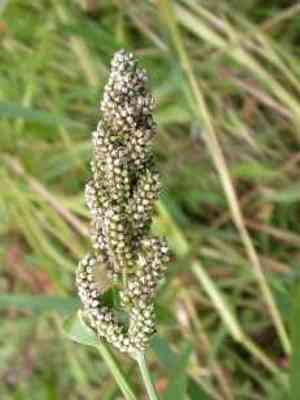
1
Japanese millet offers significant nutritional value to both people and livestock.
2
The plant readily adjusts to diverse soil compositions and weather patterns.
3
Japanese millet aids in stopping soil degradation and enhances soil quality.
What Makes Japanese Millet Nutritionally Valuable?
Rich in Essential Nutrients
Japanese millet is packed with vital nutrients, making it a highly beneficial dietary addition. It offers a good balance of carbohydrates, proteins, and fibers, contributing to a well-rounded nutritional profile. Its high protein content is especially useful for vegetarians and vegans seeking plant-based protein sources. Additionally, Japanese millet contains vitamins and minerals like B-complex vitamins, iron, and magnesium, crucial for maintaining overall health and well-being.
A Sustainable Food Source for Animals
Beyond human consumption, Japanese millet serves as an excellent feed for livestock. Its robust nutritional profile supports animal health and productivity, making it a preferred forage crop. The plant's high fiber content aids ruminant digestion, while its protein content assists in muscle development and milk production. Farmers aiming to enhance their livestock feed quality will find Japanese millet a valuable and sustainable option.
How Does Japanese Millet Benefit Agricultural Practices?
Adaptability to Various Conditions
One of Japanese millet's standout features is its remarkable adaptability. It thrives in diverse soil types, from clay to sandy, and can withstand both drought and waterlogged conditions. This adaptability makes it an excellent choice for regions with unpredictable weather, ensuring reliable crop yields despite environmental challenges. Gardeners and farmers can cultivate Japanese millet confidently, knowing it will succeed where other crops might fail.
Role in Preventing Soil Erosion
Japanese millet plays a significant role in soil conservation. Its dense root system firmly binds the soil, reducing erosion risk. This makes it an ideal plant for areas prone to soil degradation, such as slopes and eroded fields. By planting Japanese millet, farmers and gardeners can protect their soil from erosion, preserving land fertility and preventing valuable topsoil loss.
Why Choose Japanese Millet for Sustainable Farming?
Improving Soil Health
Japanese millet positively contributes to soil health in several ways. Its extensive root system enhances soil structure and increases water-holding capacity. Moreover, as the plant decomposes, it adds organic matter to the soil, enriching it with nutrients. This organic matter improves soil fertility and supports subsequent crop growth, making Japanese millet an integral part of sustainable farming practices.
Reducing the Need for Chemical Inputs
Another critical benefit of Japanese millet in sustainable farming is its ability to integrate into crop rotations and cover cropping systems. By including Japanese millet in these systems, farmers can reduce reliance on chemical fertilizers and pesticides. The plant's natural attributes help suppress weeds and control pests, promoting a healthier, more balanced agricultural ecosystem. This reduction in chemical inputs benefits the environment and lowers farmer costs, enhancing overall operational sustainability.
What Environmental Benefits Does Japanese Millet Offer?
Supporting Biodiversity
Japanese millet supports biodiversity by providing habitat and food for various wildlife species. Birds, in particular, are known to favor this plant, and its seeds serve as a vital food source for them. By cultivating Japanese millet, gardeners and farmers can create a thriving ecosystem that supports both plant and animal life.
Mitigating Climate Change
In the fight against climate change, Japanese millet offers several advantages. It captures and stores atmospheric carbon dioxide, reducing overall greenhouse gas levels. Furthermore, its resilience to extreme weather ensures it can continue to grow and sequester carbon even in challenging conditions. By incorporating Japanese millet into agricultural practices, farmers contribute to mitigating climate change while securing their crop yields.



