How to Prune Cutleaf goosefoot?
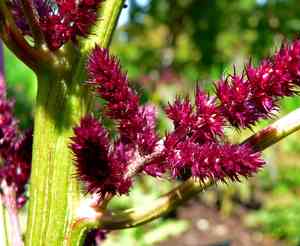
This unique herb, characterized by its fern-like structure, thrives with consistent trimming. Essential methods involve nipping the ends of nascent shoots to foster a more compact form and eliminating any withered or compromised leaves to preserve the plant's well-being. The most effective time for trimming is during the spring or summer, coinciding with the plant's period of vigorous development. Trimming not only sculpts the plant but also stimulates thicker foliage and can elevate its aesthetic appeal.
Advantages of Trimming Cutleaf Goosefoot
Advantages of Trimming Cutleaf Goosefoot
Trimming cutleaf goosefoot promotes robust development and helps preserve its form, ensuring the plant stays vibrant and visually appealing while potentially enhancing its decorative qualities.
Optimal Period for Pruning Cutleaf Goosefoot
Optimal Period for Pruning Cutleaf Goosefoot
Pruning or trimming cutleaf goosefoot during Spring and Early Summer aligns with the plant's natural growth cycle, which begins active development in spring. Spring pruning stimulates new growth and aids in shaping the plant. Early Summer pruning is suitable as it typically follows the initial spring growth flush, allowing the plant ample time to recover and grow before colder temperatures arrive. Pruning during these seasons also helps prevent stress on cutleaf goosefoot, which could result from pruning during flowering or fruiting, and minimizes disease risk common in damp, cooler months. Additionally, cutting back cutleaf goosefoot before it seeds can prevent unwanted spread, as cutleaf goosefoot is known for prolific self-seeding if not managed properly.
Required Tools for Pruning Cutleaf Goosefoot
Hand Pruners
Perfect for making clean cuts on the relatively slender stems of cutleaf goosefoot, which helps prevent unnecessary plant damage.
Pruning Shears
Excellent for shaping and maintaining the desired form of cutleaf goosefoot as they offer precise control over smaller foliage and branches.
Gloves
Essential for safeguarding the gardener's hands from the sap of cutleaf goosefoot, which may cause irritation to some individuals.
Disinfectant Wipes or Solution
Crucial for sanitizing tools before and after pruning cutleaf goosefoot to prevent disease transmission between plants.
How to Prune Cutleaf Goosefoot
Disinfection
Sanitize pruning tools using a solution of one part bleach to nine parts water to prevent disease spread during trimming of cutleaf goosefoot.
Inspection
Examine cutleaf goosefoot thoroughly, identifying all diseased and withered leaves as well as any diseased stems that need removal.
Removal Of Leaves
Using sterilized pruning shears, carefully cut away all diseased and withered leaves from cutleaf goosefoot at their base, where they meet the stem, avoiding damage to healthy foliage.
Removal Of Stems
If a stem on cutleaf goosefoot is diseased, make a clean cut just above a healthy leaf node or bud to remove the affected portion of the stem, ensuring to maximize the potential for healthy new growth.
Cleanup
Gather and dispose of all removed material away from cutleaf goosefoot to prevent disease spread, and clean the pruning tools once again to maintain their sterility for future use.
Common Pruning Errors with Cutleaf Goosefoot
Over-Pruning
Beginner gardeners often remove too much foliage from cutleaf goosefoot, which can weaken or even kill the plant. It is crucial to prune only what is necessary.
Improper Cuts
Incorrect pruning cuts, such as tearing stems instead of making clean cuts, can introduce disease or pest infestation in cutleaf goosefoot.
Removing The Wrong Parts
Pruning live, healthy growth instead of targeting only dead or diseased material can hinder the healthy development of cutleaf goosefoot.
Ignoring Plant Structure
Not considering the natural growth habit of cutleaf goosefoot can lead to a loss of plant form and aesthetics.
Utilizing Dirty Tools
Using tools that have not been sterilized can spread disease to cutleaf goosefoot. It is essential to disinfect pruning tools before use.
General Pruning Advice for Cutleaf Goosefoot
Selective Cutting
Carefully choose which parts of cutleaf goosefoot to prune, such as dead or diseased tissue, to improve air circulation and plant health without compromising the plant's vigor.
Angle And Position
Make cuts at a 45-degree angle just above a leaf node to encourage cutleaf goosefoot to produce new growth in the desired direction.
Tool Selection
Use sharp, appropriate tools for the size and type of stems on cutleaf goosefoot to ensure clean, precise cuts without damaging the plant.
Gradual Approach
Adopt a gradual approach to pruning cutleaf goosefoot, especially if it requires significant size reduction. Spread the work over several seasons to avoid shock.
Maintaining Form
Consider the natural shape of cutleaf goosefoot and aim to maintain it through selective pruning, enhancing both the plant's health and ornamental appeal.



