Enhancing Your Garden Design with the Cutleaf goosefoot Plant: A Landscaping Guide
1
Introducing Cutleaf goosefoot can enrich the variety of life in your garden.
2
Both classic and contemporary garden aesthetics can be improved by the look of Cutleaf goosefoot.
3
Growing Cutleaf goosefoot alongside other plants can promote their development and avoid negative interactions.
Grasping Cutleaf goosefoot's Function in Garden Design
Visual Charm: How Cutleaf goosefoot Improves Garden Beauty
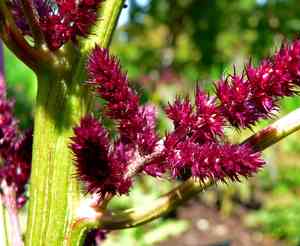
Cutleaf goosefoot introduces a distinct visual component to your garden. Its intricate leaf structure and unique coloring create an appealing focal point. When employed as an edging or background plant, Cutleaf goosefoot can emphasize depth and texture in your landscape. It's particularly effective when contrasted with plants possessing simple or broad leaves, resulting in a balanced and aesthetically pleasing arrangement.
Ecological Advantages: Supporting Biodiversity with Cutleaf goosefoot
Incorporating Cutleaf goosefoot into your garden can significantly boost local biodiversity. This plant serves as a habitat and offers resources for various insects, birds, and other wildlife, fostering a healthier ecosystem within your garden. In turn, the presence of such smaller creatures can aid in natural pest control and pollination, lessening the need for chemical interventions and promoting organic gardening methods.
Practical Applications: Cutleaf goosefoot's Purpose Beyond Aesthetics
Cutleaf goosefoot is more than just an ornamental plant. It has been recognized for its traditional uses in culinary and medicinal contexts. The leaves of Cutleaf goosefoot, often consumed in salads or as a cooked green, are nutritionally dense. Furthermore, its dense growth allows it to function as a natural hedge or windbreak, shielding more delicate plants from harsh weather. As a versatile plant, Cutleaf goosefoot combines beauty with utility in your landscape.
Integrating Cutleaf goosefoot into Various Landscape Styles
Traditional Garden Designs Featuring Cutleaf goosefoot
Incorporating Cutleaf goosefoot into classic garden layouts can enhance the timeless appeal of your outdoor area. Envision a garden with neatly defined paths and symmetrical flower beds, where Cutleaf goosefoot acts as both a specimen plant and a complementary border. Its rich texture and foliage can fill voids and establish a unified design, harmonizing with traditional elements such as decorative statues, fountains, and classic shrubs.
Modern Landscapes and Cutleaf goosefoot: A Contemporary Flair
Modern landscapes often require clean lines and an organized appearance, yet Cutleaf goosefoot can still find its place in these contemporary settings. By integrating Cutleaf goosefoot with minimalist or geometric garden designs, you can soften sharp edges and introduce a natural, organic element. Pairing Cutleaf goosefoot with modern materials like concrete, steel, or glass can highlight its inherent beauty while preserving the clean, uncluttered feel of modern landscapes.
Designing Themed Gardens with Cutleaf goosefoot
Cutleaf goosefoot is adaptable enough to suit various themed gardens. Whether you're creating a cottage garden, a Zen retreat, or a culinary herb garden, Cutleaf goosefoot can complement your design requirements. In a cottage garden, its abundant foliage adds to the whimsical charm, while in a Zen garden, its subtle presence can contribute to the serene atmosphere. For an herb garden, its practical applications align perfectly with the theme, offering both aesthetic and functional advantages.
Selecting Companion Plants for Cutleaf goosefoot
Optimal Companion Plants for Cutleaf goosefoot: Fostering Mutual Growth
Choosing the right companion plants for Cutleaf goosefoot can improve the overall health and development of your garden. Consider planting herbs, flowers, or vegetables that benefit from being near Cutleaf goosefoot. Suitable companions include plants like marigolds, which can help deter pests, or nitrogen-fixing legumes that can enrich the soil. By carefully selecting companions, you can create a balanced environment where all plants flourish.
Avoiding Incompatibilities: What Not to Plant Near Cutleaf goosefoot
While Cutleaf goosefoot is compatible with many plants, certain species might not thrive when planted in close proximity. Avoid placing Cutleaf goosefoot next to plants that demand significantly different soil conditions or water requirements, as this can lead to competition for resources. Also, be cautious with plants susceptible to specific diseases that Cutleaf goosefoot might carry. Researching particular plant pairings can help ensure your garden remains healthy and productive.
Year-Round Maintenance Advice for Cutleaf goosefoot in Gardens
Seasonal Care Adjustments for Cutleaf goosefoot
Although Cutleaf goosefoot is relatively low-maintenance, tending to its needs throughout the seasons can help sustain its health and appearance. In spring, focus on planting and initial growth support with appropriate nutrients. Summer necessitates regular watering and potentially some shade if conditions are excessively harsh. Fall is the time to prepare Cutleaf goosefoot for winter by trimming and mulching to shield roots from freezing temperatures. These seasonal adjustments can help your Cutleaf goosefoot thrive all year.
Long-Term Health and Vitality of Cutleaf goosefoot
To ensure the long-term health and vigor of Cutleaf goosefoot, consistent care practices are crucial. Regularly inspect for pests and diseases, prune to maintain shape and encourage healthy growth, and replenish soil nutrients as needed. Additionally, every few years, you might need to divide and replant Cutleaf goosefoot to prevent overcrowding and promote robust growth. By dedicating a bit of time and attention, you can keep Cutleaf goosefoot looking its best for many years.
Innovative Design Concepts Using Cutleaf goosefoot
Creative Approaches to Featuring Cutleaf goosefoot in Landscaping
Be imaginative with Cutleaf goosefoot in your landscaping by experimenting with various design concepts. Utilize Cutleaf goosefoot in vertical gardens, around water features, or as part of a living wall to create a striking visual impact. You could also employ Cutleaf goosefoot in patterned plantings to form visually captivating designs that draw the eye and establish focal points in your garden. Think beyond traditional beds and borders to truly highlight the unique qualities of Cutleaf goosefoot.
Tips for Incorporating Cutleaf goosefoot in Compact Areas
Even in small spaces, Cutleaf goosefoot can make a significant impression. Use Cutleaf goosefoot in container gardens, window boxes, or as part of a mixed planting in a small urban plot. Its adaptability and relatively contained growth allow it to fit comfortably into limited areas without overwhelming the space. By thoughtfully positioning Cutleaf goosefoot where it can either stand out or blend into a cohesive garden plan, you can maximize the aesthetic appeal of small spaces.



