How to Propagate Cutleaf goosefoot?
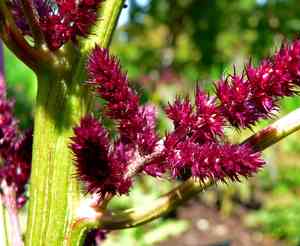
Chenopodium multifidum, a rapidly developing herbaceous species, can be successfully multiplied by directly planting its seeds into soil with good drainage. To achieve effective propagation, the seeds ought to be lightly dispersed on the soil's surface, then gently pressed to ensure solid contact with the earth. Sufficient hydration is crucial, thus consistent, moderate watering is advised until sprouting takes place. It is imperative to furnish Chenopodium multifidum with ample illumination for peak development once the seeds have germinated, as this plant flourishes in settings that replicate its native habitat.
Optimal Time for Cutleaf Goosefoot Propagation
Propagation Method
Seeding
Propagation Period
Spring
Tools for Cutleaf Goosefoot Propagation
Seed trays
Seed trays are perfect for starting cutleaf goosefoot propagation via sowing. They enable numerous seeds to be planted in structured sections, promoting efficient use of space and simplifying early growth management. This benefits cutleaf goosefoot by allowing optimal spacing, preventing overcrowding, and ensuring good air circulation, which lowers the risk of fungal infections.
Fine-grained soil mix
A fine-grained soil mix is vital for cutleaf goosefoot propagation, ensuring small seeds make good contact with the soil, which boosts moisture retention and improves germination rates. A seed-starting mix typically includes peat moss or coconut coir, perlite, and vermiculite, offering an ideal balance of moisture, aeration, and drainage.
Misting bottle
A misting bottle is essential for gently watering cutleaf goosefoot seeds without dislodging them. Overwatering can cause tiny seeds to sink deeper into the soil, negatively impacting germination. A misting bottle allows precise water control, keeping the soil moist but not waterlogged.
Grow lights
Grow lights are especially useful when propagating cutleaf goosefoot indoors or in low natural light. They provide a consistent light source with adjustable intensity and duration, critical for seedling development. This encourages stronger, healthier growth and improved plant characteristics.
Heat mats
Heat mats can boost cutleaf goosefoot germination rates by maintaining a steady soil temperature, especially in cooler settings. This is crucial as temperature shifts can hinder germination and affect seedling health. A heat mat regulates soil temperature, creating an ideal germination environment.
How to Propagate Cutleaf Goosefoot?
Propagation Difficulty
Easy
Caring for Newly Propagated Cutleaf Goosefoot
Caring for Newly Propagated Cutleaf Goosefoot
Once cutleaf goosefoot seedlings develop true leaves, thin them to prevent crowding. Gradually acclimate them to outdoor conditions if they are to be transplanted outside. Keep the soil moist and provide partial shade in warmer regions. Regularly check for pests like aphids and treat as needed. Continue to nourish with diluted liquid fertilizer every few weeks to support vigorous growth.
Common Mistakes to Avoid When Propagating Cutleaf Goosefoot
Overwatering
Watering cutleaf goosefoot too often can lead to root rot, as the plant prefers well-drained soil. Too much moisture in the soil can suffocate roots, reducing their ability to absorb nutrients and making the plant more vulnerable to diseases.
Deep planting
Planting cutleaf goosefoot seeds or cuttings too deeply can impede their growth. Seeds and cuttings need light for optimal germination and root development, and being buried too deep in the substrate can prevent them from getting the necessary light and air.
Ignoring light requirements
Failing to provide cutleaf goosefoot with sufficient sunlight can result in poor growth and weak plants. Cutleaf goosefoot requires adequate light for photosynthesis; without it, the plant's growth is stunted and its overall health compromised.
Tips For Propagating Cutleaf Goosefoot
Proper soil preparation
Using well-draining soil is vital for the healthy growth of cutleaf goosefoot. The soil should be loose and fertile, allowing roots to penetrate easily and excess water to drain away, preventing issues like root rot.
Shallow planting
For successful propagation, cutleaf goosefoot's seeds and cuttings should be planted superficially. This ensures they have ample exposure to light, which is essential for germination and the start of root development.
Providing optimal light
Ensuring cutleaf goosefoot receives sufficient sunlight is crucial for its growth and development. Position cutleaf goosefoot in a spot where it will get plenty of sun to encourage robust growth and healthier plants.



