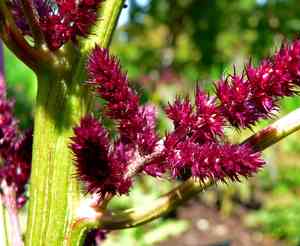
Cutleaf goosefoot (Dysphania multifida)
Also known as: Cut leaved goosefoot
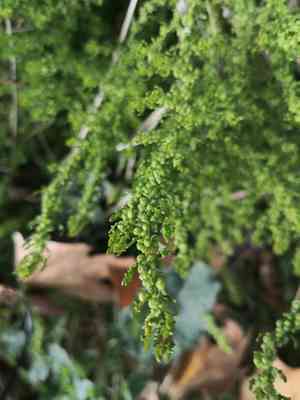
The leaves are oblong and glandular, reaching up to 2 centimeters in length with multiple lobes on each side. Inflorescences are found in the leaf axils, forming spherical clusters about half a centimeter in diameter. These clusters, or panicles, are densely packed with small flowers that encase the developing fruit, typically situated at the ends of stem branches.
In This Article
Attributes of Cutleaf goosefoot
Lifespan
Perennial, Annual
Plant Type
Herb
Plant Height
30-100 cm
Spread
N/A
Leaf Color
Green
Flower Size
0.5-1 mm
Flower Color
Greenish
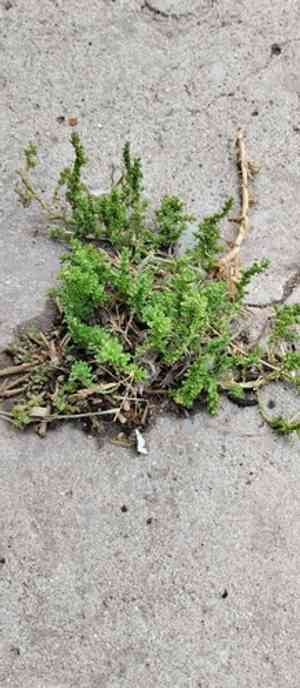
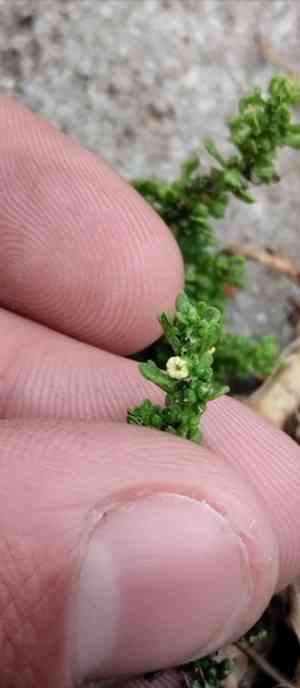
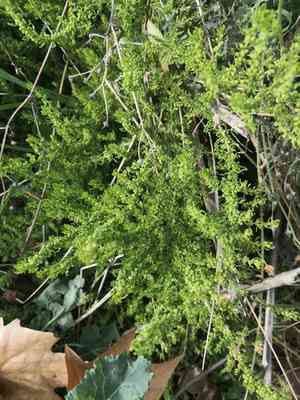
Images of Cutleaf goosefoot
Quickly Identify Cutleaf goosefoot
1
Identify Dysphania multifida by its deeply lobed, feathery leaves and its small, inconspicuous greenish flowers arranged in dense clusters. The plant often has a distinct aromatic smell when crushed.
Scientific Classification of Cutleaf goosefoot
Phylum
Vascular plants
Class
Dicotyledons
Order
Caryophyllales
Family
Amaranth
Genus
Dysphania
Species
Cutleaf goosefoot
Planting and Growing of Cutleaf goosefoot
Care Difficulty
Easy
Watering Schedule
Every 2 days
Sunlight Requirements
Full sun
Sunshine Duration
6-8 hours
Ideal Temperature
60-75℉
Soil Type
Potting Mix, Peat Mix
Soil pH
6.5-7.5
Fertilizer Type
Balanced
Pruning Season
Spring, Summer
Pruning Area
Branches, Leaves
Pruning Frequency
2 times a year
Repotting Season
Spring
Pot Type
Plastic, Terracotta
 How to Water Cutleaf goosefoot?
Dysphania multifida requires moderate watering, around 250 ml per session. It's important to ensure the soil is moist but not waterlogged. The soil should dry out slightly between waterings to mimic its natural rocky habitat, ensuring proper root oxygenation.
What are the symptoms of an underwatered Cutleaf goosefoot?
›
What should I do if my Cutleaf goosefoot is not getting enough water?
›
What are the symptoms of an overwatered Cutleaf goosefoot?
›
How to save an overwatered Cutleaf goosefoot?
›
 What Are the Sunlight Requirements for Cutleaf goosefoot?
Dysphania multifida benefits from full to partial sunlight exposure, which supports its vibrant leaf color and overall health. Adequate lighting ensures proper photosynthesis, leading to stronger and more vibrant plants.
More About Sunlight Requirements Techniques→
What is the ideal lighting condition for Dysphania multifida?
›
How can you achieve ideal lighting for Dysphania multifida?
›
What benefits does optimal lighting provide for Dysphania multifida?
›
 What Is the Ideal Temperature Range for Cutleaf goosefoot?
The ideal temperature range for Dysphania multifida is between 60°F and 75°F. Within this range, the plant can thrive, showing optimal growth and development. It is important to maintain a consistent temperature within this range to avoid stress and potential damage to the plant's physiological processes, which are sensitive to temperature changes.
 What Soil is Best for Cutleaf goosefoot?
Dysphania multifida thrives in well-drained soils, which prevents waterlogging and root rot. Well-drained soil allows roots to access oxygen effectively, thereby promoting healthy root development and robust plant growth. This plant prefers soil enriched with organic matter, enhancing nutrient availability. Organic-rich soil supports continuous nutrient supply, aiding in vigorous plant growth and improved resistance to pests and diseases. Maintaining moderate soil moisture is essential for Dysphania multifida. Consistent moisture enables the plant to absorb nutrients efficiently and facilitates its metabolic processes, ensuring optimal health and vitality.
 How to Fertilize Cutleaf goosefoot?
Dysphania multifida thrives on a modest amount of nourishment, making it ideal for low-maintenance enthusiasts. Apply about 1 tablespoon of general-purpose liquid fertilizer per gallon of water for an enriched growth cycle. This ensures the plant gets adequate nutrition without overwhelming its delicate root system.
 How to Prune Cutleaf goosefoot?
Examine Dysphania multifida for dead, damaged, or crossing branches. Understanding the plant’s natural growth pattern helps in deciding which parts need removing to retain its natural appearance. Begin by trimming away any dead or discolored foliage and then proceed to thin out crowded areas to improve light penetration and air circulation. Always cut just above a leaf node or bud to encourage healthy regrowth. Regularly step back to view the plant from different angles to ensure symmetry and balance. This helps in maintaining a pleasing aesthetic while also confirming that all necessary cuts have been made.
More About Pruning Techniques→
 How to Propagate Cutleaf goosefoot plant?
1
Use a well-draining potting mix to fill the seed starting trays. Moisture retention is essential, but the soil should not be waterlogged to prevent root rot and promote healthy growth from the beginning.
2
After preparing the soil, sow the seeds evenly across the tray's surface. Cover them lightly with a fine layer of soil, ensuring they are not buried too deeply. This allows for optimal light exposure and healthy germination.
3
Select healthy parent plants and use sterile pruning shears to take cuttings measuring about 4-6 inches in length. Remove any flowers and most leaves, leaving two or three at the top, to direct energy toward root development.
 How to Repot Cutleaf goosefoot plant?
1
Dysphania multifida typically needs repotting when you notice its roots beginning to grow out of the bottom of the pot. This is a sign that the plant has outgrown its container. Additionally, if water takes too long to drain, it's an indication the soil is compacted. Preferably, repot just as Spring begins or during Summer to ensure optimal growth.
2
Select a pot that is one or two sizes larger than the current one. This allows the roots some extra room to grow without overwhelming them with too much space. Ensure the pot has drainage holes to prevent waterlogging, which can lead to root rot—a common problem in plants.
3
Opt for a well-draining soil slightly enriched with organic matter. This provides necessary nutrients and ensures good aeration. Such soil better mimics the plant's natural environment, reducing risks of water retention that can suffocate the roots.
Toxicity
Ingestion
WARNING
The judgment on toxicity and danger is for reference only. We DO NOT GUARANTEE any accuracy of such judgment. Therefore, you SHALL NOT rely on such judgment. It is IMPORTANT TO SEEK PROFESSIONAL ADVICE in advance when necessary.
Learn More About Cutleaf goosefoot Diseases
Bacterial Leaf Spot
Bacterial Soft Rot
Bacterial Wilt
Chemical Injury
Damping-off
Downy Mildew
Drought Stress
Fusarium Wilt
Gray Mold
Leaf Spot
Mosaic
Nutrient Deficiency
Nutrient Toxicity
Powdery Mildew
Root Rot
Root-knot Nematode
Rusts
Sooty Mold
Spider Mites
Temperature Stress
Thrips Damage
White Mold



