How to Prune Crested woodfern?
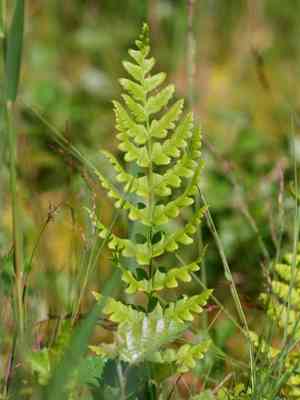
The crested woodfern, a semi-evergreen fern that tolerates shade, thrives in damp environments. Remove any dead or compromised fronds in early spring, prior to the emergence of new growth. During the summer, you may eliminate any unattractive or excessively large fronds. In autumn, reduce their size as necessary for visual appeal. Regular trimming supports the plant's well-being, fosters dense foliage, and hinders the proliferation of ailments. Always make precise, clean cuts to prevent harm. This plant requires only minor pruning, primarily for maintenance rather than structural alteration.
What Are the Benefits of Pruning Crested Woodfern?
What Are the Benefits of Pruning Crested Woodfern?
Trimming crested woodfern promotes robust development and helps maintain its desired shape. Eliminating old fronds stimulates the emergence of healthy new growth, ensuring crested woodfern remains strong and visually appealing.
What Is the Best Time for Pruning Crested Woodfern?
What Is the Best Time for Pruning Crested Woodfern?
Pruning crested woodfern should occur in early spring, before new growth begins, to remove any dead or damaged fronds and allow for healthy new development. Early summer is another suitable period to trim crested woodfern, enabling gardeners to shape the plant and remove any fronds missed or damaged since the initial spring pruning. Fall pruning is also appropriate for crested woodfern, as it prepares the plant for dormancy by eliminating fronds that would otherwise decay and potentially harbor pests or diseases during colder months. These seasons are ideal as they align with crested woodfern's growth cycle, avoiding disruption during peak growth while leveraging periods of natural renewal or dormancy.
What Tools Do I Need to Prune Crested Woodfern?
Bypass Pruners
Bypass pruners are suitable for cutting through the soft, non-woody stems of crested woodfern, as they make clean cuts that are less likely to harm the plant's vascular system.
Garden Scissors
Crested woodfern thrives with a delicate approach to pruning. Garden scissors provide an excellent option for snipping away any dead or yellowed fronds with precision.
Pruning Snips
Pruning snips are perfect for detailed work on crested woodfern, especially when thinning out dense clumps or removing damaged pinnae (leaflets).
Leaf Rake
A small leaf rake can be used gently to remove any fallen debris and dead fronds from around the base of crested woodfern, maintaining a tidy area without damaging the root system.
How to Prune Crested Woodfern
Clean tools
Before starting, sanitize your pruning tools with alcohol or a bleach solution to prevent the spread of disease to crested woodfern.
Remove withered leaves
Gently prune away any withered or yellow leaves from crested woodfern at the base of the stalk using hand pruners, ensuring to avoid damage to the healthy fronds.
Cut diseased leaves
Identify and cut off any diseased leaves from crested woodfern, making sure to make clean cuts to prevent additional stress or infection to the plant.
Trim dead branches
Remove dead branches from crested woodfern by cutting at the point where they meet healthy growth, being cautious not to tear the healthy fronds.
Prune diseased branches
Cut back any diseased branches on crested woodfern, ensuring to remove the entire affected area to halt the spread of disease; dispose of this plant material securely.
Common Pruning Mistakes with Crested Woodfern
Overpruning
Removing too much foliage from crested woodfern can stress the plant, leading to stunted growth or an unhealthy plant.
Improper cut location
Cutting too close to the crown of crested woodfern or into old, woody stems can damage the plant and prevent new growth.
Using dull pruning tools
Dull blades can create jagged cuts that make crested woodfern more susceptible to disease and pest infestation.
Pruning healthy fronds
Removing healthy, green fronds can deprive crested woodfern of necessary energy capture, harming its overall vigor.
Ignoring dead or damaged fronds
Not removing dead or damaged fronds can invite diseases and pests, and also affect the aesthetic appeal of crested woodfern.
Common Pruning Tips for Crested Woodfern
Sanitized tools
Always use sterilized pruning tools on crested woodfern to prevent the spread of disease from plant to plant.
Selective pruning
Prune selectively, focusing on dead or damaged fronds to maintain the health and appearance of crested woodfern.
Cutting angle
Cut fronds at an angle, which helps prevent water accumulation and subsequent rot or disease.
Conservative approach
Take a conservative approach to pruning crested woodfern, as it typically requires minimal maintenance; only remove what is necessary.
Post-pruning care
After pruning, provide crested woodfern with adequate water and possibly a balanced, slow-release fern fertilizer to support recovery and new growth.



