How to Propagate Crested woodfern?
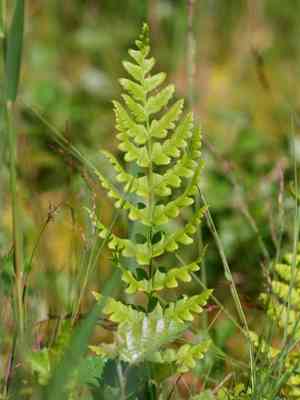
Crested woodfern flourishes when reproduced by means of separation. During its initial developmental phase, carefully divide the rhizomes, making sure every segment possesses sufficient root mass to become established. For peak outcomes, plant these separated portions in a substrate that retains moisture yet drains effectively, and position them in filtered light. This technique fosters more robust development and preserves the inherent beauty of crested woodfern.
Optimal Time for Crested Woodfern Propagation
Propagation Method
Cutting
Propagation Period
Spring,Summer
Tools Required for Crested Woodfern Propagation
Sharp Pruning Shears
Crucial for making clean, healthy cuts from crested woodfern, sharp pruning shears ensure cuttings are taken without crushing plant tissues. This precision helps prevent infection and encourages faster healing and rooting.
Rooting Hormone
This substance promotes root development at the cutting site, significantly boosting the success rate of crested woodfern propagation. By stimulating root formation, the rooting hormone establishes a stronger base for new plants.
Sterile Potting Mix
A pathogen-free medium is vital to prevent disease in crested woodfern cuttings. Using a sterile potting mix provides an ideal environment for root growth without the threat of soil-borne diseases, which can harm young plants.
Humidity Domes
These covers create a high-humidity microenvironment, beneficial for crested woodfern cuttings to prevent excessive moisture loss while new roots form. Consistent humidity is essential during the delicate initial root development phase.
Heating Mats
For crested woodfern, maintaining adequate and consistent bottom heat can increase rooting success. Heating mats provide gentle warmth that promotes healthier root development and faster growth in the early propagation stages.
How to Propagate Crested Woodfern?
Propagation Difficulty
Easy
Post-Propagation Care for Crested Woodfern
How to Care for Your Newly Propagated Crested Woodfern?
After propagation, continue to provide crested woodfern with shade and consistently moist soil. Annually mulch with organic material to keep roots cool and damp. Fertilize lightly in spring with a balanced, slow-release fertilizer. Protect the fern from extreme weather and monitor for pests and diseases. Regularly inspect and remove any damaged or diseased fronds to maintain plant health.
Common Errors to Avoid When Propagating Crested Woodfern
Overwatering
Excessive water can lead to root rot for crested woodfern, as the species thrives best in moist but well-drained soil. Too much moisture hinders proper root development and increases susceptibility to fungal infections.
Too much sunlight
Crested woodfern prefers shaded or partially shaded environments. Exposure to full sun can cause leaf scorch and stress the plant, negatively impacting its growth and vitality.
Using unclean tools
Propagating crested woodfern with unsterilized tools risks introducing pathogens to the plant. This can lead to infections that impede growth or even kill young plants.
Poor soil composition
Using soil that lacks good drainage can be detrimental. Heavy or clay-rich soils can retain too much water, complicating root health and function.
Tips For Propagating Crested Woodfern
Proper soil preparation
Use a soil mix rich in organic matter with good drainage to support crested woodfern's health. A blend of loam, sand, and peat is often suitable, providing necessary nutrients and moisture retention.
Moderate watering
Keep the soil around crested woodfern moist but not waterlogged. Consistent, moderate watering helps establish roots without the risk of fungal diseases associated with overwatering.
Appropriate shading
Ensure that crested woodfern is planted in a location that mimics its natural habitatâunder partial shade. This reduces stress and promotes healthier growth.
Use of sterile propagation techniques
When dividing or handling sections of crested woodfern, always use clean and sterilized tools to minimize the risk of disease transmission. This ensures healthier and more vigorous plants.
Regular monitoring
Regularly check on crested woodfern's health to catch any signs of distress early. Look out for symptoms like yellowing leaves or stunted growth, which can indicate poor soil conditions or disease.



