The Crested woodfern Plant Advantage: Maximizing Home and Office Appeal and Wellness
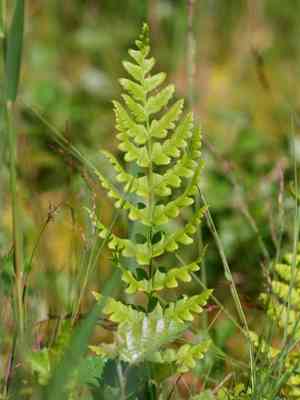
1
The crested woodfern requires minimal care and flourishes in damp, shaded areas.
2
This species contributes to improved soil quality and helps prevent land degradation.
3
Its distinctively crested fronds provide an attractive visual element.
Environmental Advantages of Crested woodfern
How Does Crested woodfern Enhance Soil Quality?
A key advantage of Crested woodfern is its capacity to improve soil health. Its root system helps aerate the soil, facilitating better water absorption and nutrient uptake. Furthermore, its fibrous roots can prevent soil erosion, making it ideal for stabilizing slopes and vulnerable garden areas. Over time, decaying plant matter from Crested woodfern enriches the soil with organic material, creating a favorable environment for other plants.
Does Crested woodfern Offer Any Water Regulation Benefits?
Crested woodfern excels in damp environments, where it aids in managing water levels. This plant absorbs excess water, reducing the risk of waterlogging in your garden. Its presence also boosts the soil's overall water retention, ensuring moisture availability during dry spells. Such water management benefits not only your garden plants but also helps maintain a balanced ecosystem, contributing to landscape sustainability.
Aesthetic and Landscape Advantages of Crested woodfern
What Makes Crested woodfern Visually Appealing?
With its distinct crested fronds, Crested woodfern adds a unique and attractive element to any garden. Its lush, green foliage offers a striking contrast to flowering plants and can serve as a beautiful backdrop in shaded areas. Additionally, Crested woodfern has a graceful, arching form that adds movement and texture to the landscape. Its evergreen nature ensures your garden remains vibrant and appealing even in colder months.
How Can Crested woodfern Improve Your Garden's Design?
In terms of design, Crested woodfern is incredibly adaptable. It can be used as ground cover in shaded areas, planted in large groups for a dramatic effect, or integrated into mixed borders for added texture. The plant's ability to thrive in various soil types and its tolerance for differing moisture levels make it an ideal choice for a wide range of garden settings. Whether creating a woodland garden or filling a shady corner, Crested woodfern can complement diverse landscape styles and themes.
Practical Advantages of Cultivating Crested woodfern
Is Crested woodfern Simple to Maintain?
Crested woodfern is known for its low-maintenance nature, making it an excellent choice for both new and experienced gardeners. This plant requires minimal pruning and is relatively pest-resistant, reducing the need for chemical treatments. It can also tolerate various light conditions, from partial to full shade, though it prefers consistent moisture. Once established, Crested woodfern rewards gardeners with minimal upkeep and lasting beauty.
Can Crested woodfern Be Grown in Container Gardens?
For those with limited garden space or who wish to add greenery to patios and balconies, Crested woodfern can thrive in containers. Select a container with good drainage and use a rich, organic potting mix for the best start. Regular watering is crucial, especially during dry periods, to maintain the plant’s vibrant appearance. Container-grown Crested woodfern can add a touch of natural elegance to any outdoor living area.
Biodiversity and Ecosystem Services Provided by Crested woodfern
How Does Crested woodfern Support Local Wildlife?
Crested woodfern plays a vital role in supporting local biodiversity. Its dense foliage provides shelter and habitat for various small creatures, including insects, amphibians, and birds. The plant also contributes to a healthier ecosystem by providing food in the form of decomposing material, which nourishes soil microorganisms and other decomposers. By planting Crested woodfern, you create a more hospitable environment for local wildlife, fostering a balanced and thriving garden ecosystem.
What Ecosystem Services Are Offered by Crested woodfern?
Beyond its role in supporting wildlife, Crested woodfern provides several crucial ecosystem services. Its ability to stabilize soil and prevent erosion is particularly valuable in regions prone to heavy rainfall or slope instability. The plant also contributes to air quality by filtering pollutants and capturing particulate matter on its leaves. These combined benefits make Crested woodfern an important component of any garden aiming for ecological sustainability and resilience.



