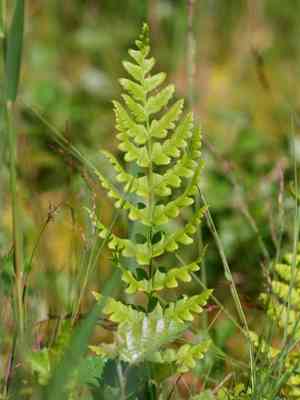
Crested woodfern (Dryopteris cristata)
Also known as: Fen buckler fern, Crested shield-fern
The crested woodfern (Dryopteris cristata) is native to the Northern Hemisphere and is typically found in wetland areas. It requires consistently moist conditions throughout the year to thrive. This fern prefers shaded environments and often grows in swamps, wet woodlands, and near streams. The fronds of the crested woodfern can grow quite tall under these optimal conditions.
In This Article
Attributes of Crested woodfern
Lifespan
Perennial
Plant Type
Herb
Plant Height
25 cm to 71 cm
Spread
60 cm to 1.8 m
Leaf Color
Green Brown
Flower Size
N/A
Flower Color
N/A
Images of Crested woodfern
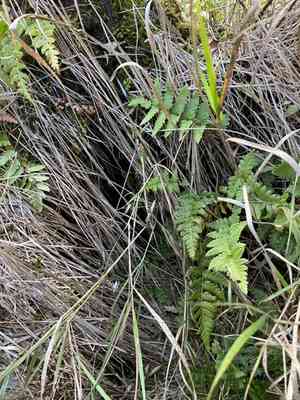
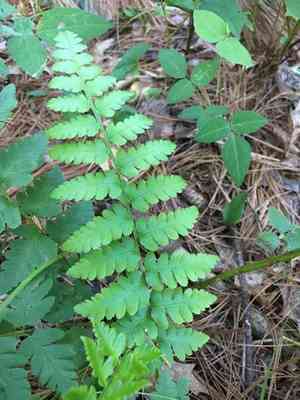
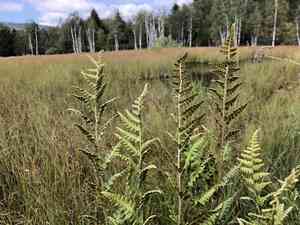
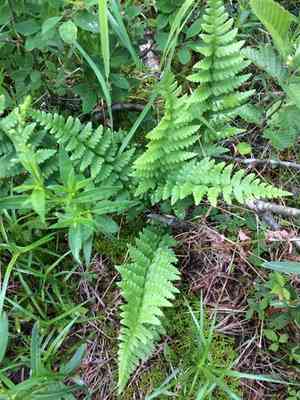
Quickly Identify Crested woodfern
1
Upright, narrowly oblong leaves with pinnate-pinnatifid arrangement and triangular pinnae.
2
Distinctive fronds with stiffly erect fertile fronds and arching evergreen sterile fronds.
3
Short, creeping rhizome characteristic of wetland environments like marshes, bogs, and swamps.
4
Lush green appearance adapting well to varying moisture levels, ideal for different habitats.
5
Long stipe adorned with dull brown scales on fronds, creating a unique visual appeal.
Scientific Classification of Crested woodfern
Phylum
Vascular plants
Class
Ferns
Order
Polypodiales
Family
Wood fern
Genus
Wood ferns
Species
Crested woodfern
Planting and Growing of Crested woodfern
Care Difficulty
Easy
Watering Schedule
Every 4 days
Sunlight Requirements
Partial sun
Sunshine Duration
4-8 hours
Ideal Temperature
60-75℉
Soil Type
Potting Mix, Peat Mix
Soil pH
5-7
Fertilizer Type
Balanced
Pruning Season
Spring, Summer
Pruning Area
Branches, Leaves
Pruning Frequency
2 times a year
Repotting Season
Spring
Pot Type
Plastic, Ceramic
 How to Water Crested woodfern?
Each time you water Dryopteris cristata, ensure the soil is thoroughly moist but not waterlogged. Aim for around 200 milliliters, allowing excess water to drain from the pot to prevent root rot. The key is to mimic the plant's natural woodland habitat, avoiding extremes of dryness or saturation.
What are the symptoms of an underwatered Crested woodfern?
›
What should I do if my Crested woodfern is not getting enough water?
›
What are the symptoms of an overwatered Crested woodfern?
›
How to save an overwatered Crested woodfern?
›
 What Are the Sunlight Requirements for Crested woodfern?
Partial sun or full shade is the ideal light range for Dryopteris cristata. In these conditions, photosynthesis is optimized without the risk of leaf burn, thereby supporting robust growth and vibrant foliage.
More About Sunlight Requirements Techniques→
What is the best light level for Dryopteris cristata?
›
How to provide optimal light for growth?
›
What are the benefits of ideal lighting?
›
 What Is the Ideal Temperature Range for Crested woodfern?
Dryopteris cristata thrives best between 60°F to 75°F. This range supports optimal growth and physiological processes. Maintaining consistent temperatures within this range helps ensure the plant’s metabolic activities are not stressed, promoting healthy foliage and root development.
 What Soil is Best for Crested woodfern?
Moisture is crucial for Dryopteris cristata, as it thrives in wetland environments. Adequate moisture ensures the plant remains lush and promotes vibrant green foliage, making it essential for its growth and health. Nutrient-rich soils provide the essential minerals needed for Dryopteris cristata to flourish. Such soils support robust growth, enhance the plant's resilience against pests, and foster more vigorous and healthy frond development. High organic content in the soil aids in better drainage while simultaneously offering a source of nutrients. This is beneficial as it strengthens the plant's root structure and promotes sustainable growth over time.
 How to Fertilize Crested woodfern?
When fertilizing Dryopteris cristata, use a balanced fertilizer with an N-P-K ratio of 10-10-10 or 20-20-20. Liquid fertilizer should be diluted to half-strength before application. For slow-release granules, apply sparingly, ensuring not to exceed the recommended amount to prevent root burn.
 How to Prune Crested woodfern?
Ensure that you use the right tools such as clean, sharp scissors or garden shears to prune Dryopteris cristata. Pruning is best done during the growing seasons of spring and early summer to allow new growth to benefit from the increased sunlight and temperature. Be gentle with new fronds, and avoid excessive cutting to preserve the plant's vigor and vitality. Take care not to over-prune Dryopteris cristata, as this can impair its ability to photosynthesize efficiently. Over-pruning can lead to stress, making the plant more susceptible to disease and pest infestations. Focus on removing only dead, damaged, or redundant fronds, leaving enough foliage to support ongoing growth and nourishment. Remember that ferns rely on their fronds not only for sustenance but also for maintaining their characteristic lush appearance.
More About Pruning Techniques→
 How to Propagate Crested woodfern plant?
1
Choose mature plants that have a well-developed clump for division. Ensure the plant is healthy, showing no signs of disease or pest infestation, to increase the success rate of propagation.
2
Gently dig up the plant and shake off excess soil. Using a sharp knife, divide the rhizome into sections, ensuring each section has at least one healthy frond and a portion of the root system.
3
Plant each division at the same depth it was growing before. Water thoroughly to settle the soil, and place in a shaded area to reduce stress while the plant establishes itself.
 How to Repot Crested woodfern plant?
1
The ideal time to repot Dryopteris cristata is when you notice its roots emerging from the drainage holes or when the growth significantly slows during its active growth period. A lack of space for root expansion can stunt its elegant spread and lush foliage.
2
Select a pot that's 1-2 inches larger in diameter than the current one. Ensure it has adequate drainage holes at the bottom. This helps prevent waterlogging which can cause root rot, keeping your fern healthy and airy.
3
Opt for a mix high in organic matter, like peat-based or loam-based compost. This ensures excellent moisture retention without becoming waterlogged, providing Dryopteris cristata with the perfect balance of nutrients and oxygen.



