How to Prune Coastal woodfern?
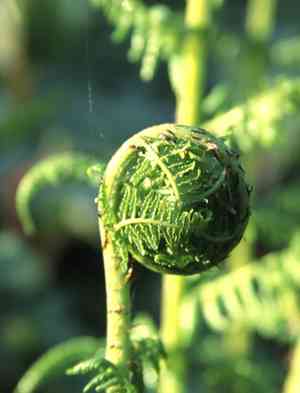
A resilient fern featuring curving leaves, Dryopteris arguta thrives with the careful elimination of impaired or lifeless fronds, which improves air movement and overall plant well-being. Perform trimming in the spring prior to new development or in the summer to preserve its appearance. Refrain from severing healthy green fronds, as they are crucial for light conversion. Prompt trimming averts the buildup of detritus and illness, and fosters robust development. Employ keen, sanitized implements for precise incisions, thereby reducing strain and the potential for contamination.
Advantages of Trimming Coastal Woodfern
Advantages of Trimming Coastal Woodfern
Trimming coastal woodfern promotes more robust development by eliminating dead or crowded fronds, enhancing air circulation and light penetration. It also helps maintain coastal woodfern's compact, appealing form and prevents excessive growth in garden areas.
Optimal Period for Trimming Coastal Woodfern
Optimal Period for Trimming Coastal Woodfern
Trimming or cutting coastal woodfern during spring and early summer aligns with its natural growth cycle following winter dormancy. Spring pruning allows for the removal of any dead or damaged fronds before new growth emerges, fostering healthier development. Early summer trimming helps preserve the plant's shape and size, ensuring cuts heal before colder months, supporting coastal woodfern's overall health and vigor. This timing also avoids disrupting late summer and fall when coastal woodfern prepares for dormancy, ensuring it has ample foliage to sustain it through winter.
Necessary Tools for Trimming Coastal Woodfern
Bypass Pruners
Ideal for cutting through the softer, non-woody stems of coastal woodfern, bypass pruners provide clean cuts without harming the plant's delicate fronds.
Gloves
To safeguard the gardener's hands from scratches and maintain cleanliness while trimming coastal woodfern, a good pair of gloves is essential.
Pruning Saw
For thicker, tougher stems or roots that occasionally require removal, a pruning saw offers the necessary force without causing undue damage to coastal woodfern.
Garden Scissors
For precise trimming of coastal woodfern's fronds and for cutting dead or diseased foliage, garden scissors can offer more control than pruners.
How to Trim Coastal Woodfern
Sterilize
Sanitize your pruning shears or scissors with rubbing alcohol to prevent the spread of disease.
Identify
Locate diseased, withered, or brown leaves and any affected stems on coastal woodfern.
Cut
Remove diseased or withered leaves at their base where they connect to the stem, being careful not to harm healthy fronds.
Trim Stems
Cut diseased stems close to the ground, making an angled cut to allow water to drain and prevent disease accumulation.
Dispose
Properly discard removed leaves and stems to prevent disease spread.
Common Trimming Errors with Coastal Woodfern
Excessive Trimming
Removing too much foliage from coastal woodfern can stress the plant, leading to reduced vitality and potential dieback.
Trimming Healthy Fronds
Cutting away healthy, green fronds instead of only dead or damaged ones can limit the plant's ability to photosynthesize and thrive.
Tearing Fronds
Using dull tools or improper technique that tears fronds can create jagged cuts vulnerable to pests and diseases.
Ignoring Diseased Material
Failing to remove diseased fronds or not sanitizing tools can spread pathogens throughout coastal woodfern and to nearby plants.
Trimming Without Purpose
Trimming without understanding coastal woodfern's natural growth habit may result in an unnatural appearance and can harm the plant's structural integrity.
General Trimming Advice for Coastal Woodfern
Sharp Tools
Always use sharp, clean pruning shears to make precise cuts on coastal woodfern, which helps prevent frond damage and reduces the risk of disease transmission.
Selective Trimming
Focus on removing only dead or dying fronds and any that are broken or damaged. This helps maintain coastal woodfern's natural shape and encourages healthy growth.
Direction Of Cuts
Cut fronds at the base near the main stem, making angled cuts to allow water runoff and prevent rot at the cut site.
Tool Maintenance
Clean and disinfect pruning tools before and after use on coastal woodfern to prevent the spread of disease among your garden plants.
Conservative Approach
Adopt a conservative approach when trimming coastal woodfern, aiming to preserve as much healthy growth as possible to support the plant's vitality and photosynthetic capacity.



