How to Propagate Coastal woodfern?
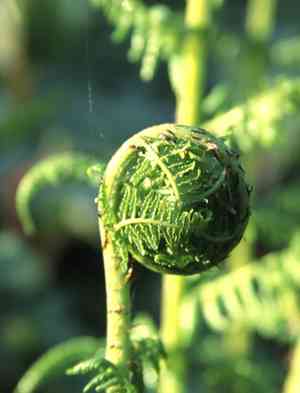
Originating from North American littoral forests, the coastal woodfern thrives in dim, humid environments and displays characteristic foliage. Its reproduction primarily occurs through spore dispersal, a technique requiring meticulousness. Spores scattered on sterilized, moist, finely-textured peat mixture, within a regulated setting protected from direct solar exposure, improves the likelihood of sprouting. Sustained hydration, without excessive saturation, is vital for nurturing spore proliferation and subsequent fern maturation. After prothalli have formed, judicious relocation promotes robust, fully grown plants.
Optimal Period for Coastal Woodfern Propagation
Propagation Method
Seeding
Propagation Period
Spring
Essential Tools for Coastal Woodfern Propagation
Spores Collection Tray
A tray for collecting spores is vital for gathering those shed by coastal woodfern. Its smooth surface aids in simple collection and minimizes spore loss, maximizing successful sowing potential.
Fine Mist Sprayer
This device is key for maintaining the necessary moisture levels for spore germination without disruption. The fine mist ensures delicate coastal woodfern spores aren't washed away or buried too deep.
Sterile Potting Mix
Employing a sterile potting mix helps avert fungal and bacterial infections, which can harm spore germination and early growth of coastal woodfern. A light, well-draining mix supports ideal root establishment.
Temperature Controlled Growth Chamber
A growth chamber with temperature regulation facilitates the precise temperature needs for coastal woodfern spore germination and development. This tool guarantees a stable environment, boosting germination rates and seedling health.
Fine-tipped Tweezers
These are utilized for handling and precisely placing spores onto the growing medium. The fine tips offer accuracy without harming the microscopic coastal woodfern spores, ensuring even distribution across the substrate.
How to Propagate Coastal Woodfern?
Propagation Type
Simple
Caring for Your Newly Propagated Coastal Woodfern
Caring for Your Newly Propagated Coastal Woodfern?
Post-propagation, keep young coastal woodfern in moist, well-drained soil and shaded conditions. Avoid direct sun and fertilize sparingly for healthy growth. Regular misting helps maintain crucial humidity for coastal woodfern's development.
Common Errors to Avoid When Propagating Coastal Woodfern
Overwatering
Saturating the soil can cause root rot, which is detrimental to coastal woodfern's propagation. This fern requires well-drained soil to flourish.
Using contaminated soil
Propagating coastal woodfern in unsterilized soil can introduce pathogens. This is a frequent source of diseases harmful to young ferns.
Inadequate humidity
Coastal woodfern needs a humid environment for successful propagation. Insufficient humidity can dry out fronds and prevent successful rooting.
Crowding spores
Planting coastal woodfern's spores too closely can impede their development by creating competition for light, space, and nutrients, which are vital during early growth stages.
Tips For Propagating Coastal Woodfern
Sterilized soil
Using sterilized potting mix prevents the introduction of soil-borne diseases and provides a healthy environment for coastal woodfern's spores to germinate.
Appropriate moisture
Maintaining balanced soil moisture is crucial. The soil should remain consistently damp but not waterlogged to support coastal woodfern's growth without causing root rot.
Humidity control
Creating a mini-greenhouse effect by covering the spores with plastic wrap until germination can help maintain the necessary humidity levels for coastal woodfern.
Spacing the spores
Spreading the spores thinly over the propagation medium ensures each spore has sufficient room to grow, reducing competition for resources.



