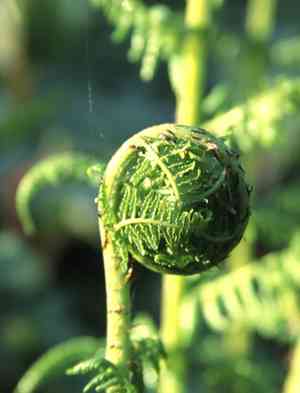
Coastal woodfern (Dryopteris arguta)
Also known as: Coastal wood fern, Western wood fern
Coastal woodfern, a fern native to North American woodlands, is typically found at elevations ranging from sea level to 1800 meters. Its cultivation is uncommon mainly because it can harbor Phytophthora ramorum, the pathogen responsible for Sudden Oak Death (SOD). This makes it a less desirable choice for gardeners concerned about plant health.
In This Article
Attributes of Coastal woodfern
Lifespan
Perennial
Plant Type
Herb
Plant Height
61 cm to 91 cm
Spread
60 cm to 90 cm
Leaf Color
Dark green
Flower Size
N/A
Flower Color
N/A
Images of Coastal woodfern
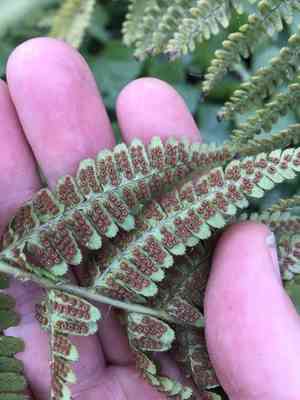
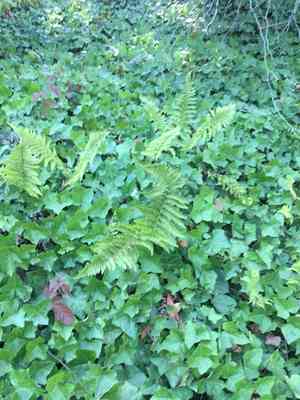
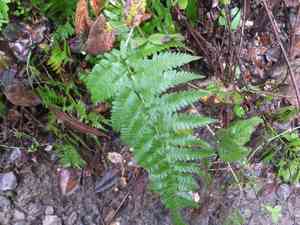
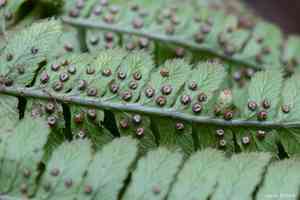
Quickly Identify Coastal woodfern
1
Dryopteris arguta can be identified by its dark green, lance-shaped fronds with a leathery texture. The fronds are pinnate and grow in an arching habit.
Scientific Classification of Coastal woodfern
Phylum
Vascular plants
Class
Ferns
Order
Polypodiales
Family
Wood fern
Genus
Wood ferns
Species
Coastal woodfern
Planting and Growing of Coastal woodfern
Care Difficulty
Easy
Watering Schedule
Every 2 days
Sunlight Requirements
Partial sun
Sunshine Duration
10-12 hours
Ideal Temperature
60-75℉
Soil Type
Potting Mix, Peat Mix
Soil pH
6.5-7.5
Fertilizer Type
Balanced
Pruning Season
Spring, Summer
Pruning Area
Branches, Leaves
Pruning Frequency
2 times a year
Repotting Season
Spring
Pot Type
Plastic, Ceramic
 How to Water Coastal woodfern?
For Dryopteris arguta, watering should be conducted in such a way that the soil remains consistently moist but not waterlogged. Aim to provide around 500 ml of water each session, ensuring the topsoil is well-drained before you water again.
What are the symptoms of an underwatered Coastal woodfern?
›
What should I do if my Coastal woodfern is not getting enough water?
›
What are the symptoms of an overwatered Coastal woodfern?
›
How to save an overwatered Coastal woodfern?
›
 What Are the Sunlight Requirements for Coastal woodfern?
Partial shade replicates its forest habitat, reducing heat stress and promoting optimal health.
More About Sunlight Requirements Techniques→
How much sun does Dryopteris arguta need?
›
What's the solution for maintaining ideal light?
›
What are the benefits of optimal lighting?
›
 What Is the Ideal Temperature Range for Coastal woodfern?
Dryopteris arguta thrives best within a temperature range of 60°F to 75°F. This range allows for optimal photosynthesis and growth, ensuring plant health and vigor. During this range, the plant can efficiently perform its metabolic functions without any undue stress.
 What Soil is Best for Coastal woodfern?
Dryopteris arguta thrives in well-drained soil, which allows excess water to flow away. This prevents root rot and ensures the roots receive the air they need to stay healthy. Well-drained soil helps maintain an optimal moisture balance crucial for the plant's growth. This fern benefits from soil rich in organic matter, which provides the essential nutrients it needs for vibrant growth. Nutrient-rich soil supports lush foliage and robust structure by supplying a balanced diet to the plant. Dryopteris arguta requires soil that maintains consistent moisture without becoming waterlogged. Consistent moisture helps the plant stay hydrated and supports its metabolic processes during dry spells.
 How to Fertilize Coastal woodfern?
For Dryopteris arguta, it is crucial to be moderate in fertilization. Generally, apply a balanced liquid fertilizer diluted to half strength, about 5ml per liter of water, ensuring not to over-fertilize, as this can damage the plant's roots.
 How to Prune Coastal woodfern?
First, identify fronds that are brown, broken, or disease-ridden. These are the main focus as they should be removed to enhance the plant's growth and appearance. Carefully cut the damaged or old fronds at their base, close to the root but without cutting into the crown. This encourages the growth of new, healthy fronds. If the fern appears crowded, selectively remove some of the older fronds. This allows for better airflow and light penetration, boosting the overall health of the plant.
More About Pruning Techniques→
 How to Propagate Coastal woodfern plant?
1
Choose a healthy, established Dryopteris arguta plant with a robust root system. Ensure the plant is disease-free to increase the success rate of propagation.
2
Using a garden spade, carefully dig around the base of the fern to loosen the soil. Gently lift the plant to avoid damaging the roots.
3
Use a sharp knife to cut the rhizomes into sections, ensuring each division has a healthy portion of roots attached. Make sure each division is sustainable on its own.
 How to Repot Coastal woodfern plant?
1
Dryopteris arguta should be repotted when you notice roots circling the bottom of the current container, or when soil compaction is evident. Early signs include slowed growth and frequent drying out of soil. Repotting during spring or autumn ensures the plant has mild conditions to recover quickly.
2
Select a pot that is one size larger than the current one, ensuring there is proper drainage. A slightly wider pot allows for root expansion and better aeration, resulting in overall healthier growth. The drainage holes prevent water-logging, which is crucial to avoid root rot.
3
Use a well-draining loamy soil mix, ideally enriched with organic matter. This soil type retains enough moisture without becoming waterlogged, providing the roots with necessary air circulation. The organic matter in the soil enhances nutrient availability, boosting plant vitality.
Learn More About Coastal woodfern Diseases
Anthracnose
Bacterial Leaf Spot
Bacterial Soft Rot
Chemical Injury
Damping-off
Downy Mildew
Drought Stress
Fusarium Wilt
Gray Mold
Leaf Spot
Mosaic
Nutrient Deficiency
Nutrient Toxicity
Powdery Mildew
Root Rot
Root-knot Nematode
Rusts
Sooty Mold
Spider Mites
Temperature Stress
Thrips Damage
White Mold



