Enhancing Your Garden Design with the Coastal woodfern Plant: A Landscaping Guide
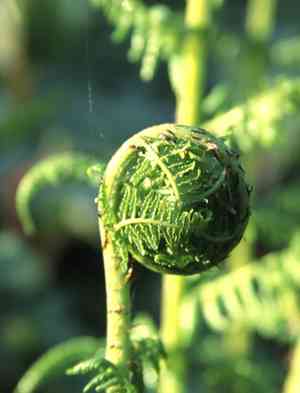
1
Coastal woodfern requires minimal upkeep, perfect for those with limited time for gardening.
2
The inherent attractiveness of Coastal woodfern adds a delightful visual appeal to any outdoor space.
3
Cultivating Coastal woodfern contributes to ecological advantages like preventing soil erosion and providing a home for native animals.
Appreciating the Visual Appeal of Coastal woodfern
Inherent charm: Discovering the natural beauty of Coastal woodfern
For introducing a touch of organic sophistication to your outdoor space, Coastal woodfern is an excellent option. This plant features abundant foliage that can elevate the aesthetic of any garden or exterior area. Its delicate leaves and vigorous growth pattern impart a sense of calm and natural splendor, reminiscent of serene, untouched woodlands. Whether your goal is to establish a rustic forest garden or simply integrate natural elements into a contemporary backyard, the inherent charm of Coastal woodfern offers ideal equilibrium.
Seasonal transformations: How Coastal woodfern's look evolves
Coastal woodfern provides a dynamic visual display throughout the year. During spring and summer, the plant flourishes with vibrant, green fronds that invigorate your garden. As autumn approaches, you might observe subtle color changes, presenting a softer, more subdued palette that perfectly complements fall foliage. This seasonal adaptability makes Coastal woodfern a versatile component in your landscape, offering visual interest and evolving beauty year-round.
Companion planting: Which plants best complement Coastal woodfern?
The adaptability of Coastal woodfern allows it to blend seamlessly with various other plants, enhancing your garden's overall look. Shade-loving perennials like hostas and astilbes are excellent companions, providing contrasting textures and colors that accentuate the delicate fronds of Coastal woodfern. Additionally, pairing Coastal woodfern with groundcovers such as ivy or moss can create a layered, lush appearance that mimics a natural forest floor. The key is selecting plants that thrive in similar conditions, ensuring a harmonious and flourishing landscape.
Practical Advantages of Incorporating Coastal woodfern into Your Landscape
Minimal care requirements of Coastal woodfern
One of the most attractive features of Coastal woodfern is its low maintenance needs. This resilient plant is self-sufficient and can thrive with minimal gardener intervention. It requires little watering once established and generally resists pests and diseases. This makes Coastal woodfern an ideal choice for those desiring a beautiful garden but lacking the time or expertise for high-maintenance plant care.
Ecological benefits provided by planting Coastal woodfern
Integrating Coastal woodfern into your garden not only benefits you but also supports the environment. This plant aids in controlling soil erosion due to its extensive root system, which stabilizes the ground and prevents runoff. Furthermore, Coastal woodfern offers habitat and sustenance for local wildlife, including beneficial insects and small creatures. By planting Coastal woodfern, you contribute to a healthier, more balanced ecosystem in your own outdoor space.
Resilience and hardiness: Why Coastal woodfern thrives in diverse environments
Coastal woodfern is renowned for its resilience and durability, capable of flourishing in various settings and conditions. Whether your garden experiences full shade, partial sun, or different soil types, Coastal woodfern can adapt and prosper. This robustness ensures your landscape remains vibrant and appealing even in less-than-ideal circumstances, making Coastal woodfern a dependable option for gardeners facing diverse environmental challenges.
Design Approaches with Coastal woodfern: Maximizing Visual Impact
Strategic placement: Optimal locations for Coastal woodfern in your garden
Thoughtful placement of Coastal woodfern within your landscape is crucial for maximizing its visual appeal. Consider planting Coastal woodfern along shaded garden edges, beneath tree canopies, or in woodland garden areas where its inherent beauty can be appreciated. Grouping multiple plants together can form a lush, green backdrop that beautifully contrasts with other garden elements. Always ensure Coastal woodfern is situated where it will receive adequate shade and moisture to flourish.
Creating focal points using Coastal woodfern
Utilizing Coastal woodfern to establish focal points in your garden can draw attention and add interest to your landscape design. Planting Coastal woodfern at the base of a garden sculpture, alongside a winding path, or near a serene water feature can highlight these areas and create a cohesive, aesthetically pleasing scene. The plant's graceful, arching fronds can serve as a natural frame for more prominent garden features, ensuring they stand out without overpowering the design.
Balancing aesthetics with practicality
When designing your garden with Coastal woodfern, it's important to balance visual appeal with practical utility. While the plant's beauty is undeniable, its functional advantagesâsuch as erosion control and habitat provisionâshould also be considered. Use Coastal woodfern in areas where you need to stabilize soil or create a microhabitat for local wildlife. This approach ensures your landscape is not only visually attractive but also environmentally supportive, enhancing the overall health and sustainability of your garden.



