How to Prune Cape sundew?
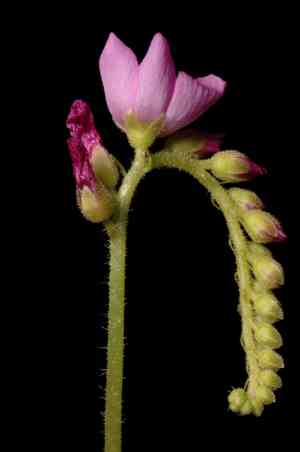
The cape sundew, a carnivorous plant featuring leaves adorned with tentacles for capturing insects, flourishes with infrequent trimming. To foster its well-being, withered or decaying foliage ought to be severed at its base. The schedule for this task is adaptable, as cape sundew can undergo pruning throughout the entire year. This practice helps sustain a neat look and can avert potential decay within thick leaf clusters. Employing sanitized instruments is essential to avoid contamination. The advantages encompass stimulating robust development and diminishing the likelihood of ailments.
Advantages of Trimming Cape Sundew
Advantages of Trimming Cape Sundew
For cape sundew, trimming can promote more abundant flowering, ensure robust development, and maintain the plant's compact form. This prevents excessive growth and encourages an attractive shape.
Optimal Time for Trimming Cape Sundew
Optimal Time for Trimming Cape Sundew
Trimming cape sundew can be performed throughout the year as it is a non-deciduous, continuously growing carnivorous plant. This means it lacks a dormant period where active growth ceases. Removing dead or decaying foliage helps prevent potential fungal infections and encourages healthier development. Furthermore, trimming does not affect its flowering cycle since cape sundew can bloom multiple times annually under suitable conditions. Regular upkeep of the sticky traps is also advised to enhance the plantâs insect-catching effectiveness.
Necessary Tools for Trimming Cape Sundew
Fine-tip Pruning Shears
For precise cuts and minimal harm when removing dead or dying trap leaves from cape sundew.
Tweezers or Forceps
To carefully handle and trim smaller, more intricate parts of cape sundew without damaging the sticky traps.
Sterilizing Agent (e.g., Isopropyl Alcohol)
To sanitize tools before and after trimming cape sundew to prevent disease transmission.
How to Trim Cape Sundew
Sanitize
Before beginning, sanitize your trimming tools with rubbing alcohol or a bleach solution to prevent the spread of any diseases to cape sundew.
Remove Diseased Parts
Carefully remove any diseased leaves and branches from cape sundew using tweezers or small scissors, ensuring you do not harm the healthy tissue.
Eliminate Withered Parts
Trim withered leaves, dead branches, and a withered flower to stimulate new growth in cape sundew, using the same tools as in step 2.
Clean Cut
Make clean cuts close to the plant's base without leaving stubs that can lead to decay or disease infiltration in cape sundew.
Dispose
Properly discard the removed material away from healthy plants to prevent any potential spread of disease to cape sundew or other plants.
Common Trimming Errors with Cape Sundew
Excessive Trimming
Removing too many leaves or stalks at once can shock cape sundew and hinder its growth. Cape sundew relies on its sticky leaves to capture prey for nutrition; excessive trimming can reduce its ability to feed.
Trimming Healthy Leaves
It's a common mistake to trim green, healthy leaves, confusing them for older ones. Focus on removing only brown or dying leaves, as healthy leaves are vital for cape sundew's photosynthesis and prey capture.
Using Dull Or Dirty Tools
Trimming cape sundew with unsanitized or blunt instruments can introduce diseases and create rough cuts that harm the plant. Ensure that the tools are sterilized and sharp for clean cuts.
Incorrect Technique
Cutting too close to the main stem or into healthy tissue can damage cape sundew. It's important to make precise cuts, removing only the spent leaves and traps.
General Trimming Advice for Cape Sundew
Target Spent Traps
Focus on trimming the brown, spent traps of cape sundew. These are typically older leaves that have completed their lifecycle.
Sterilize Tools
Always use sterilized scissors or trimming shears to avoid introducing pathogens to cape sundew. Sterilize tools before and after use with alcohol or a bleach solution.
Trim For Ventilation
Gently trim to open up the plant and allow better air circulation. However, be careful not to remove too many leaves, which could stress cape sundew.
Clean Up Debris
After trimming, clear away the removed traps and dead material from around cape sundew. This helps prevent rot and fungal growth.



