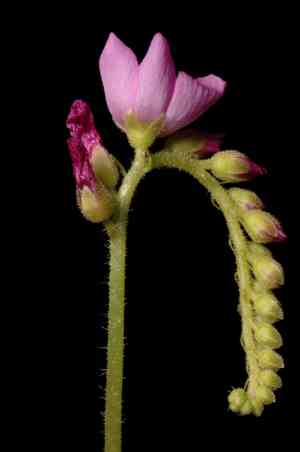
Cape sundew (Drosera capensis)
Also known as: Cape Sundew, Narrow-Leaf Sundew
Drosera capensis, commonly known as the Cape sundew, is a small perennial carnivorous plant native to South Africa. It is the most widely cultivated sundew species. Due to its prolific seed production, it has also become invasive in New Zealand.
In This Article
Attributes of Cape sundew
Lifespan
Perennial
Plant Type
Herb, Shrub
Plant Height
10 cm to 50 cm
Spread
10 cm to 50 cm
Leaf Color
Green
Flower Size
2 cm
Flower Color
Pink White Cream Purple Red
Images of Cape sundew
Quickly Identify Cape sundew
1
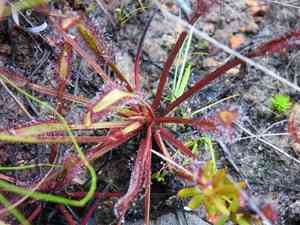
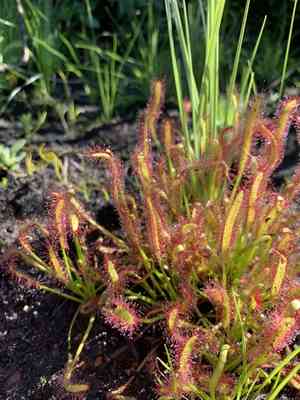
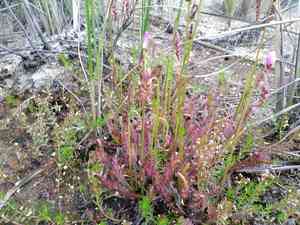
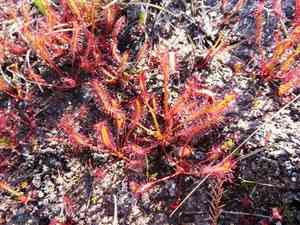
Drosera capensis can be identified by its long, narrow leaves covered in red glandular hairs that secrete a sticky substance. When small insects come into contact with this substance, they become trapped, and the leaf curls around the prey to digest it.
Scientific Classification of Cape sundew
Phylum
Vascular plants
Class
Dicotyledons
Order
Caryophyllales
Family
Sundew
Genus
Sundews
Species
Cape sundew
Planting and Growing of Cape sundew
Care Difficulty
Easy
Watering Schedule
Every 15 days
Sunlight Requirements
Full sun
Sunshine Duration
10-12 hours
Ideal Temperature
60-80℉
Soil Type
Potting Mix, Peat Mix
Soil pH
4.5-5.5
Fertilizer Type
Balanced
Pruning Season
Spring, Summer
Pruning Area
Branches, Leaves
Pruning Frequency
2 times a year
Repotting Season
Spring
Pot Type
Plastic, Ceramic
 How to Water Cape sundew?
Drosera capensis, commonly known as the Cape Sundew, thrives in moist conditions. It requires approximately 100 ml of water per session, ensuring the soil remains consistently damp but not waterlogged. Water until the liquid begins to drip from the drainage holes at the bottom of the pot, indicating that the soil is sufficiently moistened without drowning the roots.
What are the symptoms of an underwatered Cape sundew?
›
What should I do if my Cape sundew is not getting enough water?
›
What are the symptoms of an overwatered Cape sundew?
›
How to save an overwatered Cape sundew?
›
 What Are the Sunlight Requirements for Cape sundew?
Drosera capensis benefits most from full sun to partial sun. Ideal lighting enhances its vivid color and strengthens its insect-trapping mechanisms, vital for nutrition.
More About Sunlight Requirements Techniques→
What is the ideal sunlight exposure?
›
How to achieve the best lighting conditions?
›
What benefits does ideal lighting provide?
›
 What Is the Ideal Temperature Range for Cape sundew?
Drosera capensis thrives best in an ideal temperature range between 60°F and 80°F. These temperatures mimic its native climate, allowing it to achieve optimal growth conditions. In this range, the plant maintains its metabolic activities efficiently, producing vibrant foliage and healthy dew production essential for its insect-trapping function.
 What Soil is Best for Cape sundew?
Drosera capensis thrives in acidic soils, providing the low pH environment necessary for nutrient absorption. The soil's acidity helps simulate its natural habitat, enhancing health and growth. Well-draining soil prevents root rot, a common issue for Drosera capensis. Ensuring the media doesn't hold excess water allows for a healthier root system and optimal growth. Thriving in nutrient-poor soils, Drosera capensis relies on capturing insects. This preference reduces the need for fertilization, making maintenance easier for the grower.
 How to Fertilize Cape sundew?
Drosera capensis, or the Cape Sundew, requires minimal fertilization. Use a very dilute solution, about 1/4 to 1/5 of the recommended strength for general houseplants. Overfertilizing can be detrimental to this carnivorous plant, which derives most of its nutrients from caught prey.
 How to Prune Cape sundew?
Carefully inspect the plant for any browned or blackened leaves, which are no longer functional. Using clean scissors, snip these leaves at their base near the stem. This not only tidies the plant but also redirects energy to healthier leaves. Prune the dead or non-functional traps as soon as they are observed. This will help reduce the chances of mold developing and keeps the plant vigorous by allowing it to focus on maintaining and producing effective traps for capturing prey.
More About Pruning Techniques→
 How to Propagate Cape sundew plant?
1
Scatter the seeds on the surface of a moist substrate like sphagnum moss. Do not bury the seeds, as they require light to germinate. Maintain high humidity by covering the pot with a clear plastic dome.
2
Place the container in a warm spot with bright, indirect sunlight. Maintain temperatures between 20-25°C. Ensure the soil remains moist but not waterlogged. Germination can take 2-6 weeks.
3
Once seedlings develop 2-3 true leaves, carefully transplant them into individual pots using the same peat-based soil mix. Handle the delicate roots with care to avoid damage.
 How to Repot Cape sundew plant?
1
The ideal time to repot Drosera capensis is during early spring or autumn when temperatures are mild. Look for signs like roots growing through the pot's drainage holes or the decline in plant health. These indicate that the plant needs more space to thrive.
2
Opt for a pot that's slightly larger than the current one, with good drainage to prevent waterlogging. A plastic pot is ideal for Drosera capensis as it retains moisture better, crucial for a species that thrives in damp conditions.
3
Use a soil mix of peat moss and perlite in a 1:1 ratio. This provides excellent drainage while retaining moisture, mimicking the plant's natural habitat and promoting healthy growth.



