The Cape sundew Plant Advantage: Maximizing Home and Office Appeal and Wellness
1
The Cape sundew is recognized for its effective insect capture abilities.
2
This species flourishes in bright, moist conditions.
3
Cape sundew offers a distinctive visual appeal to gardens or terrariums.
How Does Cape sundew Trap Insects?
The Unique Mechanism of Adhesive Traps
Unlike other carnivorous plants that snap shut or use suction, Cape sundew employs a different method: sticky traps. These traps consist of tentacle-like structures covered with a gooey glandular secretion. When an unsuspecting insect lands on the plant, it becomes stuck in this mucilaginous substance and cannot escape. The plant then releases digestive enzymes to break down the insect, absorbing vital nutrients.
Why Adhesive Traps Are Effective
Cape sundew's sticky traps are not only highly effective but also remarkably energy-efficient. By attracting and digesting insects, the plant supplements its nutrient intake, allowing it to thrive even in nutrient-poor soils where other plants might struggle. This evolutionary adaptation showcases nature's incredible ingenuity.
What Are the Benefits of Growing Cape sundew?
Natural Pest Control
One of the standout benefits of cultivating Cape sundew is its natural pest control abilities. As a carnivorous plant, it preys on a variety of small insects that might otherwise harm other plants in your garden or home. This makes Cape sundew an eco-friendly alternative to chemical pesticides, helping you maintain a healthier environment.
Aesthetic Appeal
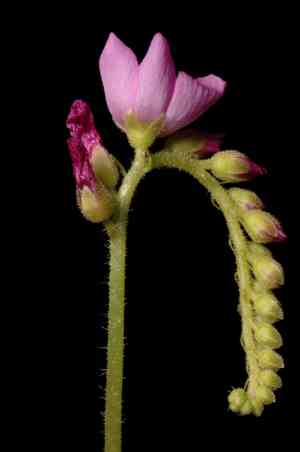
Cape sundew is not just functional; it is also visually captivating. With its dewy, glistening tentacles and vibrant coloration, Cape sundew adds a unique and exotic touch to any indoor or outdoor space. Whether in a terrarium or a garden, this plant can become a focal point, sparking interest and admiration from onlookers.
How to Care for Cape sundew?
Ideal Growing Conditions
Cape sundew flourishes in sunny, humid environments. It requires plenty of lightâpreferably direct sunlight for at least a few hours each day. Additionally, maintaining high humidity levels and keeping the soil moist but well-drained are crucial for its growth. This plant is best suited for areas that mimic its natural habitat, such as greenhouses or humid terrariums.
Watering and Soil Requirements
When it comes to watering, Cape sundew prefers distilled or rainwater, avoiding mineral-rich tap water that can harm the plant. The soil should be a mixture designed for carnivorous plants, typically a blend of sphagnum moss and perlite, which provides an acidic and well-draining medium.
Educational Value of Cape sundew
Engaging Learning Tool for Students
Cape sundew makes an excellent educational tool. Its unique insect-trapping mechanism and carnivorous nature provide a captivating subject for students studying botany, ecology, or evolutionary biology. Observing this plant in action can spark curiosity and foster a deeper understanding of plant adaptations and interactions within ecosystems.
Encouraging Environmental Awareness
Growing and studying Cape sundew also promotes environmental awareness and conservation. By learning about the plantâs natural habitat and needs, individuals can gain a greater appreciation for the delicate balance of ecosystems and the importance of preserving natural environments.
Can Cape sundew Be Used in Home Décor?
Terrarium Design Ideas
Incorporating Cape sundew into home décor can elevate the aesthetic appeal of indoor spaces. Terrariums are a popular choice, allowing you to create a miniature ecosystem that highlights the plant's unique features. By combining Cape sundew with other complementary plants, you can design a visually stunning display that brings a touch of nature indoors.
Outdoor Garden Integration
For those with outdoor gardens, Cape sundew can be seamlessly integrated into rock gardens or bog gardens, where its natural environment is closely mimicked. Its distinctive appearance and insect-trapping abilities can add both beauty and functionality to your garden, making it a standout feature in your landscaping.
What Are the Challenges of Growing Cape sundew?
Overcoming Common Issues
While Cape sundew is a resilient plant, it can face certain challenges. Common issues include improper watering, low humidity, and insufficient light. Addressing these problems promptly is essential for maintaining a healthy plant. Regular monitoring and adjusting of care routines can help mitigate these challenges.
Pest and Disease Management
Despite being carnivorous, Cape sundew may occasionally attract pests such as aphids or mites. In such cases, using gentle, plant-safe methods to manage pests is advisable to avoid harming the plant. Ensuring good air circulation and avoiding overly stagnant conditions can also help prevent diseases.



