Enhancing Your Garden Design with the Cape sundew Plant: A Landscaping Guide
1
Cultivate Cape sundew in bright, damp locations for peak development.
2
Pair Cape sundew with other humidity-loving flora for a harmonious aesthetic.
3
Sustain Cape sundew through routine seasonal maintenance to ensure its continuous vitality.
Appreciating the Visual Charm of Cape Sundew
Appearance Traits: Forms and Hues
The visual appeal of Cape sundew largely stems from its distinct physical attributes. Cape sundew showcases slender, grass-like foliage covered in a sticky, dew-like substance that shimmers in sunlight. This glistening substance is not only visually pleasing but also serves the practical function of capturing insects. Moreover, the leaves are typically a vibrant green, often highlighted by red-tipped glands. These bright colors offer a stark contrast to surrounding garden greenery, making Cape sundew a prominent feature in any landscape design.
Seasonal Transformations and Their Visual Effect
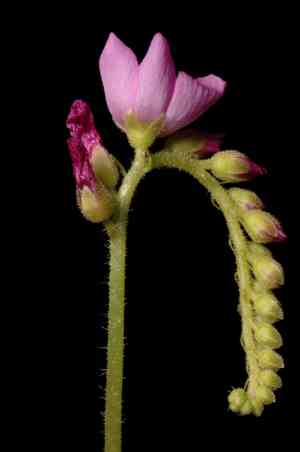
One of the captivating aspects of Cape sundew is its seasonal changes. During spring and summer, Cape sundew produces small, pink blossoms that enhance its already charming look. In autumn, its leaves may adopt a slightly darker shade, adding to your garden's seasonal variety. Each alteration not only demonstrates the plant's adaptability but also boosts your garden's visual dynamics throughout the year.
Optimal Placement for Cape Sundew in Your Garden
Strategic Positioning for Best Growth
For Cape sundew to flourish, its location is vital. This plant thrives in ample sunlight, so select a spot that receives plenty of sun exposure all day. However, it prefers moist, acidic soil, making areas near water features or damp gardens ideal. The plant's specific requirements make it perfect for bog gardens or even terrariums. Avoid planting it in dry, shaded areas, as it won't reach its full growth potential under such conditions.
Pairing Cape Sundew with Other Flora
When planning your landscape with Cape sundew, consider combining it with other moisture-loving plants. Species like ferns, hostas, and other bog plants complement Cape sundew's need for a damp environment and can help create a unified garden theme. The contrasting textures and colors of Cape sundew and these plants can make your garden more visually appealing and diverse. Grouping Cape sundew with similar plants not only enhances its beauty but also ensures all plants thrive in the same conditions.
Care Guidelines for Cape Sundew in Outdoor Settings
Routine Seasonal Upkeep
Maintaining Cape sundew is quite simple if you follow a few seasonal routines. In spring and summer, ensure it gets enough water, as the plant thrives in moist conditions. During these seasons, you might also consider applying a diluted general-purpose fertilizer to support its development. As fall approaches, begin to slightly reduce the water supply, as the plant will enter a dormant phase. Removing dead leaves and flowers will keep the plant looking fresh and vibrant.
Sustaining Long-term Health and Liveliness
For the long-term health of Cape sundew, regular inspections are crucial. Ensure the soil remains acidic and moist, as these conditions are vital for its well-being. Additionally, every few years, consider repotting the plant or refreshing the soil to keep it rich in nutrients. Pruning any unhealthy or damaged parts of the plant will also ensure that it continues to thrive and maintain its striking appearance. Regular monitoring for pests or disease can prevent minor issues from becoming significant problems.
Landscape Design Concepts Featuring Cape Sundew
Creating Visual Highlights with Cape Sundew
Cape sundew serves as an excellent focal point in landscape designs. Its distinctive appearance attracts attention and can become a conversation starter in your garden. Plant it in a central or prominent area where it can be easily observed and appreciated. Surrounding it with simpler plants can allow its unique features to stand out even more. You can also integrate it into garden paths, rock gardens, or as centerpieces in smaller garden spaces for maximum visual impact.
Themes and Concepts for Garden Aesthetics
Incorporating Cape sundew into themed gardens can elevate your landscape's aesthetic appeal. For instance, a bog garden theme would be perfect, given Cape sundew's preference for moisture. Alternatively, a carnivorous plant garden can be an exciting concept, pairing Cape sundew with other insect-eating plants. If you're aiming for a more exotic look, consider blending Cape sundew with tropical plants. Whichever theme you choose, ensure that the plants share similar environmental needs to promote a healthy, thriving garden.



