How to Prune Yellow foxglove?
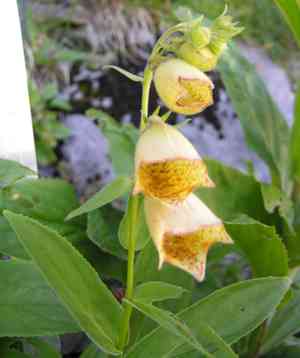
Digitalis lutea, recognized by its elevated shafts of golden blossoms, thrives with trimming after its flowering period. Eliminate faded flower stems to encourage a neat look and inhibit natural dissemination. Yearly reduction of mature leaves sustains robustness and vitality. You can prune at any point, as Digitalis lutea withstands trimming effectively across all seasons. This fosters a dense growth pattern and could improve the subsequent year's flowering.
Advantages of Trimming Yellow Foxglove
Advantages of Trimming Yellow Foxglove
Trimming yellow foxglove promotes abundant blooming by reallocating energy towards flower development. Strategic cuts encourage vigorous growth and maintain a neat appearance, vital for both plant vitality and aesthetic appeal.
Optimal Time for Trimming Yellow Foxglove
Optimal Time for Trimming Yellow Foxglove
Trimming yellow foxglove in late winter to early spring, just before new growth emerges, is advantageous as it allows the gardener to remove any dead or damaged foliage from the previous year without impacting the plant's vigor. This timing ensures that the removal of plant material does not interfere with the flowering period, as yellow foxglove bloom appears on new growth during the summer. Pruning during dormancy helps prevent disease spread and is less stressful for yellow foxglove, which in turn fosters healthier growth and a more impressive floral display. It also offers an opportunity for shaping the plant, which will not be actively producing flowers at this time, focusing energy on developing a strong structure and foliage.
Tools Required for Trimming Yellow Foxglove
Bypass Pruners
Perfect for making clean cuts on the green, living growth of yellow foxglove, causing minimal harm to the plant's tissues.
Gloves
Protects the gardener's hands from potential plant irritants and ensures safe handling of tools during the trimming process.
Pruning Snips
Useful for deadheading spent flowers on yellow foxglove, allowing precise control over small cuts without damaging nearby blossoms or stems.
Garden Scissors
Suitable for shaping and thinning the foliage of yellow foxglove, they offer versatility for cutting through softer, non-woody stems.
How to Trim Yellow Foxglove
Sanitize Tools
Before trimming yellow foxglove, sanitize all cutting tools with a bleach or alcohol solution to prevent disease transmission.
Remove Diseased Material
Carefully remove any diseased leaves from yellow foxglove by cutting at the base of the leaf stalk, ensuring no damage to healthy tissue.
Trim Withered Components
Trim withered leaves and dead or diseased branches of yellow foxglove back to healthy tissue or the nearest healthy outward-facing bud or leaf node.
Deadhead Flowers
Deadhead withered flowers of yellow foxglove by snipping them off at the base of the flower stalk to encourage further blooming and prevent self-seeding.
Clean Up
After trimming yellow foxglove, clear away all removed plant material from the area to reduce disease risk and dispose of it properly, preferably by burning or bagging and removing from the site.
Common Trimming Errors with Yellow Foxglove
Excessive Trimming
Removing too much foliage from yellow foxglove can stress the plant, leading to reduced vigor and fewer flowers. Yellow foxglove should never be trimmed back by more than one-third.
Cutting Into Old Wood
Yellow foxglove blooms on new growth. Trimming into old, woody stems may prevent the plant from producing new shoots and flowers.
Shearing
Using shearing techniques can result in an unnatural shape, and deter the natural growth habit of yellow foxglove. Individual stem cutting is more suitable.
Trimming Flowered Stems Too Early
Removing stems that have recently flowered can eliminate the formation of seed pods, which can be desirable for self-seeding.
Ignoring Dead Or Diseased Material
Failure to remove dead or diseased material can hinder plant health and promote the spread of plant diseases.
Uneven Cuts
Making jagged or torn cuts can increase susceptibility to disease and pests. It's important to make clean, angled cuts.
General Trimming Advice for Yellow Foxglove
Use Of Sharp Tools
Employ clean, sharp trimming shears to make precise cuts that will heal quickly, reducing the risk of disease.
Trimming For Shape
Yellow foxglove benefits from light shaping to promote a pleasing plant structure, but it should retain its natural, upright form.
Removal Of Spent Flower Spikes
Take off spent flower spikes to encourage a second flush of flowers, especially if self-seeding is not desired.
Thinning For Airflow
Thin out crowded stems to improve airflow, which helps prevent fungal diseases, a common issue with yellow foxglove.
Height Reduction
If necessary, reduce the height of yellow foxglove after flowering by cutting back to a side shoot or leaf node to encourage bushy growth.
Late Season Care
In late season, after flowering has finished, remove only the old flower stems, leaving the foliage to die back naturally.



