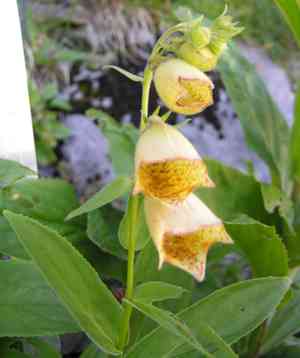
Yellow foxglove(Digitalis grandiflora)

Yellow foxglove (Digitalis grandiflora)

Also known as: Large yellow foxglove

Yellow foxglove (Digitalis grandiflora) is an attractive and versatile plant often chosen for its ability to enhance garden aesthetics. Here are its key features and advantages:

### Key Features:
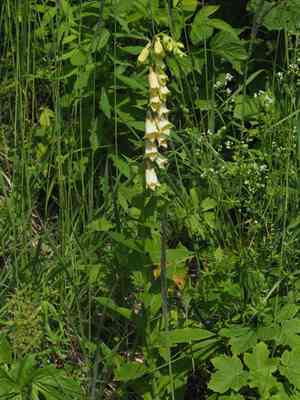
1. **Visual Appeal**: Displays elegant spikes of soft yellow tubular flowers with speckled interiors, blooming from late spring to mid-summer.
2. **Height**: Reaches 1.5 to 3 feet, making it suitable for mid to back border placements.
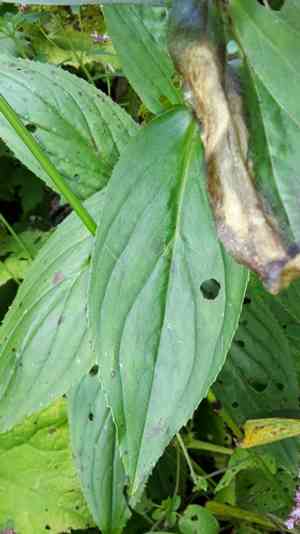
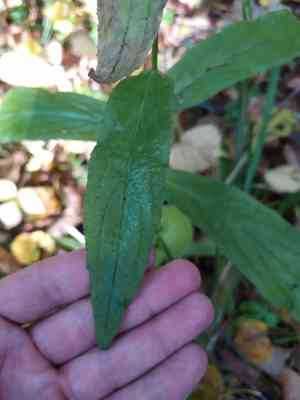
3. **Leaves**: Features lance-shaped, dark green foliage forming a basal rosette.
4. **Adaptability**: Thrives in USDA zones 3-8, adaptable to various light conditions from partial shade to full sun.
5. **Soil Preferences**: Prefers well-drained, slightly acidic to neutral soil.

### Advantages:
1. **Pollinator Magnet**: Highly attractive to bees and butterflies, promoting garden biodiversity.
2. **Minimal Care**: Low maintenance once established, making it a hassle-free choice.
3. **Deer Resistant**: Generally avoided by deer, protecting it from wildlife damage.
4. **Versatility**: Ideal for borders, woodland gardens, and naturalized settings.
5. **Medicinal Use**: Contains compounds used in heart medications, though toxic if ingested.

Yellow foxglove can create vertical interest and vibrant color in your garden, supporting pollinators and requiring minimal care while being safe from deer.

Attributes of Yellow foxglove

Lifespan
Perennial, Biennial
Plant Type
Herb
Plant Height
1 m
Spread
50 cm
Leaf Color
Green
Flower Size
4-5 cm
Flower Color
Yellow

ForwardPlant - Identify plants with a snap

Identify and diagnose plants, get toxicity alerts, and explore safety guides for all types of fungi.

Try for Free

Images of Yellow foxglove

Yellow foxglove(Digitalis grandiflora)

Quickly Identify Yellow foxglove

1
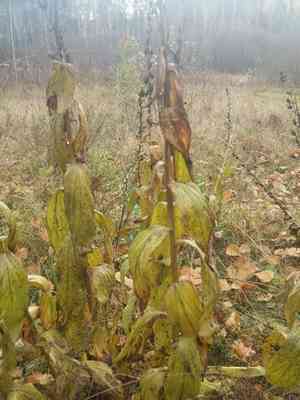
Identify by its tall flower spikes, yellow tubular flowers with speckled throats, and its broad, lance-shaped leaves. The plant typically grows in partial shade and can be found in moist, woodland habitats.

Scientific Classification of Yellow foxglove

Phylum
Vascular plants
Class
Dicotyledons
Order
Lamiales
Family
Plantain
Genus
Foxgloves
Species
Yellow foxglove

Planting and Growing of Yellow foxglove

Care Difficulty
Easy
Watering Schedule
Every 4 days
Sunlight Requirements
Partial sun
Sunshine Duration
6-10 hours
Ideal Temperature
60-70℉
Soil Type
Potting Mix, Peat Mix
Soil pH
6.5-7.5
Fertilizer Type
Balanced
Pruning Season
Spring, Summer
Pruning Area
Branches, Leaves
Pruning Frequency
2 times a year
Repotting Season
Spring
Pot Type
Plastic, Ceramic

water icon How to Water Yellow foxglove?

Digitalis grandiflora thrives when watered with approximately 250ml per session. This amount ensures that the soil is thoroughly moistened but not waterlogged. Always water until you see a little moisture escaping from the pot's drainage holes, which confirms that the roots have had enough to drink.
What are the symptoms of an underwatered Yellow foxglove?
What should I do if my Yellow foxglove is not getting enough water?
What are the symptoms of an overwatered Yellow foxglove?
How to save an overwatered Yellow foxglove?

sunlight icon What Are the Sunlight Requirements for Yellow foxglove?

Sunlight Requirements: Partial sun
Duration of light: 4-6 hours daily
Digitalis grandiflora prefers partial sun, ideally getting 4-6 hours of sunlight daily. Adequate light levels encourage vigorous growth and prolific blooming, enhancing its ornamental appeal.
How much sunlight is ideal for Digitalis grandiflora?
What solutions can help achieve these lighting conditions?
What benefits does ideal light provide to Digitalis grandiflora?
More About Sunlight Requirements Techniques

temperature icon What Is the Ideal Temperature Range for Yellow foxglove?

Ideal Temperature: 60 ~ 70℉
Digitalis grandiflora thrives best in a temperature range of 60 to 70 degrees Fahrenheit. This range is ideal because it supports optimal growth and flowering conditions. At this temperature, the metabolic processes of the plant, such as photosynthesis and respiration, are efficiently balanced, leading to healthy development and vibrant blooms.

soil icon What Soil is Best for Yellow foxglove?

Soil type: Loam, Sandy loam, Sandy soil
Soil PH: 6.5 ~ 7.5
Digitalis grandiflora prefers well-drained soil, as excessive moisture can lead to root rot. Ensuring good drainage helps maintain healthy roots and promotes vigorous growth. A soil rich in organic matter is ideal for Digitalis grandiflora. Organic content supplies essential nutrients that boost its flowering capacity and general health. While drainage is crucial, maintaining some moisture is important to avoid stress. Loamy and sandy loam soils primarily provide a balance between drainage and moisture retention.

fertilize icon How to Fertilize Yellow foxglove?

Fertilizer type: Balanced
For Digitalis grandiflora, apply a balanced, all-purpose liquid fertilizer at half strength. This ensures the plant receives adequate nutrients without the risk of over-fertilization. Each application should be approximately at the rate of one tablespoon per gallon of water.

prune icon How to Prune Yellow foxglove?

Pruning Time: Spring, Summer
Ensure your pruning shears are sharp and clean to make precise cuts. Dull tools can damage the plant tissue and increase vulnerability to diseases. Look for any soft, rotten, or damaged stems, and remove them to prevent disease spread. This helps in maintaining the overall health of the plant. More About Pruning Techniques

propagate icon How to Propagate Yellow foxglove plant?

Propagate Time: Early spring, Late spring
1
Start by filling the seed trays with a seed-starting mix. Sow the seeds evenly across the surface and lightly cover them with more mix. Water gently to keep the soil moist but not waterlogged.
2
Select healthy stems from the parent plant. Use sharp shears to take 4-6 inch cuttings, making sure to cut just below a node. Remove any lower leaves to prevent rot.
3
For division propagation, gently remove the plant from its pot. Divide the root system into sections using a clean knife, ensuring each section has a healthy growth point. Replant each division in a suitable container with fresh soil.
More About Propagating Techniques

repot icon How to Repot Yellow foxglove plant?

Repotting frequency: Every 2-3 years
1
Digitalis grandiflora signals its need for repotting when roots begin to circle the pot or grow out of drainage holes. The plant exhibits slower growth and diminished flowering, suggesting that the current pot size is insufficient for its needs. Ideally, repotting should occur in early spring or summer, when the plant is emerging from dormancy and can recover more rapidly from the stress of repotting.
2
Opt for a pot that is 1-2 inches larger in diameter than the current one. Ensure it has adequate drainage holes to prevent waterlogging, which can lead to root rot. A slightly larger pot provides the root system with more space to expand, thus encouraging healthy growth and more vigorous flowering. Choose a material like clay for better moisture regulation.
3
Select a well-draining potting mix that mimics the plant's natural soil conditions. A blend containing garden loam, perlite, and sand prevents soil compaction and improves aeration, promoting healthier root development. This soil mix also provides a balanced pH level that aids in nutrient absorption and protects against root diseases.

ForwardPlant - Identify plants with a snap

Find the best spots for them to optimize their health, simply using your phone.

Try for Free

Toxicity

Ingestion

Identify toxic plants for your safety

Learn which plants are harmful to you and your pets, and make informed choices for a safer home!

Try for Free
WARNING
The judgment on toxicity and danger is for reference only. We DO NOT GUARANTEE any accuracy of such judgment. Therefore, you SHALL NOT rely on such judgment. It is IMPORTANT TO SEEK PROFESSIONAL ADVICE in advance when necessary.