Enhancing Your Garden Design with the Yellow foxglove Plant: A Landscaping Guide
1
The distinct blossoms of Yellow foxglove can introduce a lively splash of color to your outdoor space.
2
Integrating Yellow foxglove into your garden plan can elevate the aesthetic of both structured and relaxed settings.
3
Appropriate positioning and upkeep are crucial for preserving the attractiveness and vitality of Yellow foxglove in your garden.
Appreciating the Visual Charm of Yellow Foxglove
Discovering the Distinctive Hues of Yellow Foxglove
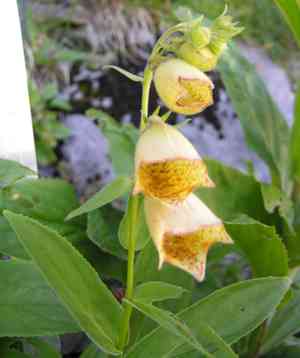
The bright yellow blossoms of Yellow Foxglove can infuse your garden with a cheerful and lively atmosphere. They are an excellent choice for gardeners aiming to invigorate their landscape with a burst of color. The golden tones not only capture attention but also harmonize with various other flower shades, making Yellow Foxglove a versatile addition to any planting scheme.
Height and Structural Advantages in Garden Design
Standing tall with elegant, bell-shaped flowers, Yellow Foxglove provides vertical interest to garden beds and borders. Its stature can create a dramatic effect, drawing the eye upward and adding depth to flat garden areas. This structural element can also aid in forming a layered look, offering a natural backdrop for shorter plants positioned in front.
Seasonal Transformations and Visual Impact of Yellow Foxglove
Yellow Foxglove offers seasonal allure, with its blooming period delivering a vibrant summer display. As seasons progress, the plant's foliage continues to provide aesthetic value, maintaining visual appeal in the garden. This consistent attractiveness across different seasons ensures Yellow Foxglove remains a valuable component of your landscape throughout the year.
Incorporating Yellow Foxglove into Various Landscape Styles
Complementing Formal Gardens with Yellow Foxglove
In formal garden settings, precision and balance are paramount. Yellow Foxglove can be utilized to establish structured flower beds or as a focal point within a specific zone. The uniformity of its upright growth and consistent blooms can align perfectly with the clean lines and organized layout characteristic of formal garden designs.
Enhancing Cottage Gardens with Yellow Foxglove
For a more relaxed, informal cottage garden, Yellow Foxglove integrates seamlessly with its soft, flowing appearance and natural elegance. It complements the diverse and often whimsical assortment of plants found in cottage gardens, adding height and a splash of color without overwhelming the delicate nature of other flowers.
Utilizing Yellow Foxglove in Contemporary Landscape Designs
Contemporary landscapes often feature minimalist, clean aesthetics. Yellow Foxglove can serve as a striking accent piece in these gardens. Its tall, graceful presence can break the monotony of simple lines and hardscaping, introducing a touch of natureâs sophistication. The vibrant yellow flowers offer a bold contrast against modern, sleek materials like steel and concrete.
Practical Advice for Planting and Positioning Yellow Foxglove
Selecting the Ideal Location for Yellow Foxglove
Choosing the correct spot in your garden for Yellow Foxglove is essential for its thriving. It flourishes in well-drained soil rich in organic matter. Consider areas that receive morning sun and afternoon shade to shield the plant from intense heat, ensuring it remains vibrant and healthy.
Companion Plants That Pair Well with Yellow Foxglove
Companion planting can boost the beauty and vitality of your garden. Combine Yellow Foxglove with plants such as lavender, salvia, or ornamental grasses. These companions not only complement its yellow blooms but also share similar growing conditions, fostering a harmonious and flourishing garden ecosystem.
Managing Sunlight and Shade for Optimal Growth of Yellow Foxglove
Yellow Foxglove prefers partial sunlight, making it suitable for spots that receive filtered light throughout the day. Excessive direct sunlight can stress the plant, while insufficient light can impede blooming. Achieving the right balance is key to ensuring Yellow Foxglove thrives and adds its enchanting touch to your garden.
Long-Term Care Guidelines for Yellow Foxglove in Landscapes
Seasonal Care Routines for Maintaining Yellow Foxglove's Appeal
Consistent maintenance ensures that Yellow Foxglove remains a highlight in your garden. In spring, applying a layer of compost or well-rotted manure around the base helps nourish the soil. Removing spent flowers encourages new blooms and prevents the plant from self-seeding excessively.
Addressing Pests and Diseases Common to Yellow Foxglove
While generally resilient, Yellow Foxglove can be susceptible to pests like aphids and diseases such as powdery mildew. Regularly inspect your plants for any signs of distress. Implementing organic pest control methods and ensuring adequate air circulation around the plants can alleviate most issues.
Pruning Techniques for Enhancing Plant Health and Appearance
Pruning is a crucial aspect of maintaining Yellow Foxgloveâs health and aesthetic. Cutting back after flowering can stimulate a second bloom in certain climates. Removing any damaged or diseased foliage helps prevent the spread of infections and keeps the plant looking neat and vigorous.



