The Yellow foxglove Plant Advantage: Maximizing Home and Office Appeal and Wellness
1
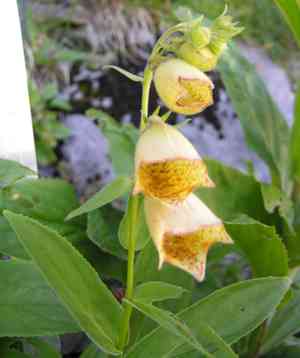
This enduring plant is cherished for its prominent golden blossoms.
2
It flowers from the end of spring through the close of summer, bringing vivid hues to outdoor spaces.
3
Perfect for dimly lit spots, it draws in beneficial insects like bees and butterflies.
Why Yellow Foxglove is a Garden Favorite
Visual Allure
A primary reason gardeners select Yellow foxglove is its captivating appearance. Its clusters of yellow blossoms inject vibrancy into shaded or partially shaded spots, becoming a focal point in your landscape. The soft texture of its leaves adds another layer of charm, making it a visually pleasing plant suitable for various garden aesthetics.
Prolonged Flowering Period
Unlike some plants with brief flowering cycles, Yellow foxglove boasts an extended bloom duration. Its flowers typically emerge in late spring and can persist until late summer. This prolonged blooming season ensures your garden stays colorful and appealing for several months, offering continuous enjoyment.
Yellow Foxglove's Contribution to Your Garden Ecosystem
Attracting Beneficial Insects
Pollinators like bees and butterflies are crucial for a flourishing garden ecosystem. The bright yellow blooms of Yellow foxglove are highly appealing to these helpful insects. By including this plant in your garden, you not only boost its beauty but also foster biodiversity and the overall health of your garden.
Offering Refuge and Habitat
Beyond drawing pollinators, Yellow foxglove also acts as a small habitat for various garden creatures. Its dense leaves provide cover for tiny insects and beneficial predators such as ladybugs. This natural pest control aids in maintaining a healthy balance in your garden, reducing the need for chemical interventions.
Optimal Growing Conditions for Yellow Foxglove
Soil Needs
Yellow foxglove thrives in well-drained soil rich in organic matter. It prefers slightly acidic to neutral pH levels and can adapt to different soil types, including loamy and sandy soils. Incorporating compost or organic mulch around the plant's base can help retain moisture and improve soil fertility.
Light and Moisture Requirements
While Yellow foxglove tolerates various light conditions, it performs best in partial to full shade. This makes it an excellent choice for planting under trees or in shaded garden corners. Consistent moisture is vital for its growth, so regular watering during dry periods is essential. However, it's crucial to avoid waterlogged conditions, as excessive moisture can lead to root rot.
Integrating Yellow Foxglove into Your Garden Design
Companion Planting Strategies
Companion planting is an effective method to enhance your garden's visual appeal and functionality. Pair Yellow foxglove with other shade-loving plants like hostas, ferns, and astilbes for a lush, multi-layered look. Its yellow flowers create a striking contrast against the deep green foliage of these plants, adding depth and interest to your garden beds.
Use as Border and Bedding Plants
Yellow foxglove works exceptionally well as a border or bedding plant. Its height and dense foliage create an attractive edge along pathways or garden borders. When planted in large groups, it forms a beautiful carpet of yellow blooms that can define and highlight specific areas of your garden.
Year-Round Care for Yellow Foxglove
Trimming and Upkeep
Regular maintenance ensures Yellow foxglove remains healthy and vibrant. Removing spent flowers encourages more blooms and prevents the plant from expending energy on seed production. In late autumn, cutting back the foliage to ground level prepares the plant for winter and promotes robust growth the following spring.
Pest and Disease Management
Yellow foxglove is relatively resistant to pests and diseases when grown in suitable conditions. However, routine checks for common issues like aphids and fungal infections can help prevent problems from worsening. Integrating natural pest control methods, such as introducing beneficial insects, further enhances the plant's well-being.



