How to Prune Indian rhubarb?
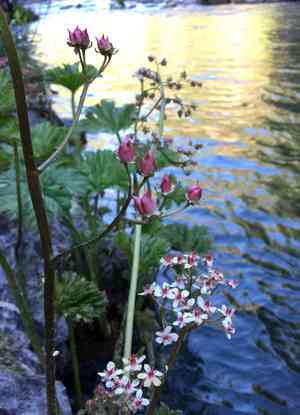
Featuring its distinctive shield-shaped leaves and rosy blooms, indian rhubarb 1 contributes a remarkable aesthetic to watery and moist garden environments. Trimming efforts should concentrate on eliminating withered or compromised foliage and faded flower stems to preserve the plant's vitality and visual appeal. The most suitable times for pruning are during spring and summer, following the blooming period, or in autumn to prepare for its dormant phase. Pruning stimulates robust development and prevents excessive density. Meticulous removal of older leaves additionally facilitates improved air circulation, thereby diminishing potential disease threats.
What Are the Benefits of Pruning Indian Rhubarb?
What Are the Benefits of Pruning Indian Rhubarb?
Trimming indian rhubarb promotes a more vibrant floral display, stimulates its development, and helps preserve its distinctive form. Deliberately removing older leaves and faded blossoms allows energy to be redirected to thriving sections, enhancing plant vitality and visual appeal.
What Is the Best Time for Pruning Indian Rhubarb?
What Is the Best Time for Pruning Indian Rhubarb?
Indian rhubarb finishes blooming in spring, making late spring, post-flowering, an optimal time for pruning. This timing enables gardeners to shape the plant and remove spent blooms without impacting the following year's flowering. Early summer is also suitable for minor trimming to maintain the desired plant shape and size. Autumn pruning is not advised as it can stimulate new growth vulnerable to winter damage. The chosen seasons align with indian rhubarb's dormant and pre-growth phases, ensuring pruning doesn't disrupt its natural growth cycle and fosters healthy development.
What Tools Do I Need to Prune Indian Rhubarb?
Bypass Pruners
Perfect for making clean cuts on indian rhubarb's thinner stems and dead foliage. They operate like scissors, providing neat cuts that heal rapidly, minimizing disease risk.
Gloves
Wearing gloves is crucial to safeguard the gardener's hands from indian rhubarb's potentially rough stems or sharp edges, especially when reaching in to trim dead or damaged leaves.
Loppers
Indian rhubarb can develop thicker stems as it matures; loppers are necessary for cutting through stems thicker than what bypass pruners can manage, typically up to 2 inches in diameter.
Pruning Saw
For the oldest, toughest stems of indian rhubarb that loppers cannot handle, a pruning saw is essential. It is effective for cutting through thick, woody stems without harming the plant or the gardener.
Garden Sanitizer
After cutting indian rhubarb's stems, disinfect tools to prevent the spread of diseases and pests. Proper sanitation ensures healthy growth and maintains the overall well-being of the plant.
How to Prune Indian Rhubarb
Clean Tools
Before beginning, ensure all pruning tools are clean and sharp to prevent disease transmission and guarantee clean cuts on indian rhubarb.
Remove Diseased
Identify and eliminate any diseased leaves from indian rhubarb by cutting them at their base where they meet the stem. Dispose of these leaves to prevent disease spread.
Trim Withered Leaves
Trim any withered leaves from indian rhubarb to encourage new growth and enhance air circulation. Cut these leaves where they connect to the stem or at the plant's base.
Deadhead Flowers
Remove faded flower stems from indian rhubarb by cutting them back to the stem's base to promote new blooms and prevent the plant from expending energy on seed production.
Cleanup
Gather and discard all trimmed plant material to maintain tidiness around indian rhubarb and deter pests and disease.
Common Pruning Mistakes with Indian Rhubarb
Overpruning
Removing an excessive amount of growth, which can stress indian rhubarb and diminish its vitality.
Using Dull Tools
Blunt pruning tools can create ragged cuts that make indian rhubarb vulnerable to pests and diseases.
Snipping Flower Buds
Accidental removal of young buds can reduce indian rhubarb's flowering potential.
Tearing Stems
Rough handling can result in tears that may serve as entry points for disease on indian rhubarb.
Improper Cut Location
Incorrectly placed cuts might damage developing shoots or lead to unattractive growth on indian rhubarb.
Pruning Into Old Wood
Cutting into old, hardened wood may not stimulate new growth, as indian rhubarb regenerates best from newer growth.
Common Pruning Tips for Indian Rhubarb
Sharp Clean Tools
Always use sharp, clean tools to make precise cuts on indian rhubarb that heal quickly and prevent disease transmission.
Selective Pruning
Focus on removing only dead, damaged, or overgrown stems to encourage indian rhubarb's natural shape and health.
Cut Above Bud
Make cuts just above a leaf node or bud to promote healthy new growth of indian rhubarb.
Thin Out Densely Growing Areas
Thin out areas where growth is dense to improve air circulation and reduce disease risk in indian rhubarb.
Maintain Natural Shape
Prune with the natural shape of indian rhubarb in mind to maintain its aesthetic and health.
Post-Flowering Cleanup
Deadhead spent flowers to encourage further blooming and remove any seed heads if self-seeding is not desired.



