The Indian rhubarb Plant Advantage: Maximizing Home and Office Appeal and Wellness
1
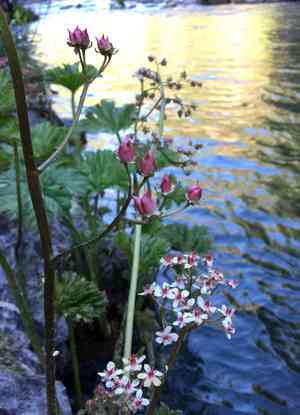
Darmera peltata flourishes in damp, shaded conditions, perfect for aquatic garden settings.
2
Its expansive, impressive foliage offers a remarkable aesthetic presence in any landscape.
3
Darmera peltata fosters ecological diversity by offering a home for different animal species.
Why Select Indian Rhubarb for Your Garden?
Aesthetic Charm and Visual Impact
A prominent characteristic of Indian rhubarb is its expansive, umbrella-shaped leaves, which can attain impressive dimensions. These striking leaves impart an exotic and tropical ambiance to your garden, serving as an undeniable focal point. The plant's foliage undergoes seasonal color shifts, providing dynamic visual interest throughout the year. Its blossoms, though ephemeral, introduce a delicate pink or white hue against the verdant backdrop, elevating the plant's overall allure.
Optimal Conditions and Growth Needs
Indian rhubarb flourishes in damp, shaded settings, making it an excellent option for water gardens, pond margins, or shaded woodland zones. This plant favors well-drained soil and consistent moisture, which aids in achieving its best development. When situated in appropriate conditions, Indian rhubarb can form dense clusters, creating a natural ground cover that suppresses weeds and conserves soil moisture.
Effortless Upkeep and Resilience
Indian rhubarb is recognized for being a low-maintenance plant once it's established. It is robust in USDA zones 5-9, enduring cold temperatures and demanding minimal attention. This hardiness makes it a superb choice for gardeners seeking a beautiful yet easy-to-manage addition to their plant collection.
Boosting Biodiversity with Indian Rhubarb
Creating Wildlife Habitats
Gardens featuring Indian rhubarb frequently observe an increase in local wildlife, including beneficial insects, birds, and small mammals. Its broad leaves offer refuge and nesting material, while its flowers attract pollinators such as bees and butterflies. This contribution to local biodiversity helps foster a balanced and flourishing garden ecosystem.
Enhancing Soil Vitality
Indian rhubarb plays a vital role in supporting soil health by improving moisture retention and mitigating erosion. Its extensive root system helps stabilize the soil, making it less susceptible to being washed away during heavy rainfall. By preserving soil integrity, Indian rhubarb indirectly benefits other garden plants, creating a more sustainable environment overall.
Companion Planting Advantages
Indian rhubarb can be an excellent companion plant for other moisture-loving perennials like ferns, hostas, and astilbes. These plants all thrive in similar conditions and can create a layered effect in your garden design. This not only enhances visual appeal but also promotes a healthy and resilient garden by fostering a diverse plant community.
Practical Applications of Indian Rhubarb in Garden Design
Water Features and Pond Edges
Indian rhubarb is naturally suited for placement near water features such as ponds, streams, or waterfalls. Its preference for moist environments and striking foliage make it an ideal choice for adding texture and interest to these areas. Planted along pond edges, Indian rhubarb creates a seamless transition between water and land, enhancing the overall aesthetic of your garden water feature.
Shady Garden Nooks
If your garden has shaded areas where many plants struggle to thrive, Indian rhubarb can be the perfect solution. Its preference for shade makes it a go-to plant for filling in dark, damp corners where other plants might fail. By illuminating these spots with its vibrant, broad leaves, Indian rhubarb transforms neglected areas into lush, green havens.
Caring for Indian Rhubarb: Keys to Success
Planting and Initial Care
When planting Indian rhubarb, select a location that fulfills its moisture and shade requirements. Prepare the soil by incorporating organic matter to enhance drainage and fertility. After planting, water thoroughly to aid in establishing a robust root system. Mulching around the base will help retain moisture and reduce weed competition.
Ongoing Maintenance
Established Indian rhubarb plants require minimal care. Consistent watering, especially during dry spells, ensures continuous growth and health. Removing dead or damaged leaves will maintain the plant's appearance and prevent disease. Dividing the plant every few years helps manage its size and promotes vigorous growth by preventing overcrowding.



