Enhancing Your Garden Design with the Indian rhubarb Plant: A Landscaping Guide
1
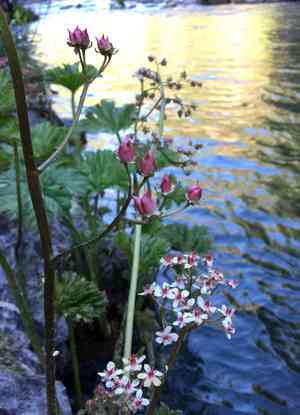
Darmera peltata flourishes in damp, partly shaded conditions.
2
Its striking leaves and periodic flowers establish it as a prominent garden element.
3
Consistent care is crucial for maintaining the vigor and health of Darmera peltata throughout the year.
Introducing Indian rhubarb: A Natural Aesthetic Amplifier
Understanding the growth patterns of Indian rhubarb
To begin, comprehending how Indian rhubarb develops is crucial for maximizing its garden impact. This perennial emerges from a thick rhizome, gradually expanding into a broad, lush cluster. Its large, umbrella-shaped leaves can span up to 24 inches, providing a bold architectural element. Growth starts in early spring with new shoots and fully matures by summer, offering extended visual appeal.
Seasonal visual impact of Indian rhubarb
Throughout the year, Indian rhubarb provides diverse aesthetic benefits. In spring, it produces striking clusters of small pink flowers on tall stems before leaves fully emerge. By summer, the impressive foliage dominates, creating a lush, tropical feel. As autumn nears, leaves transform to red and purple, adding vibrant color. Its structure and seasonal shifts make it an attractive focal point year-round.
Complementing other plants in your garden
Indian rhubarb effortlessly enhances the beauty of other garden plants. Its bold leaves offer a strong contrast to finer-textured plants like ferns and grasses. It also pairs well with plants having complementary bloom times, ensuring continuous garden color. Combining Indian rhubarb with shade-loving foliage plants such as hostas or astilbes can create visually dynamic green layers.
Designing with Indian rhubarb in Mind
Choosing the right location for Indian rhubarb
When incorporating Indian rhubarb into your design, location is vital. This plant prefers moist, well-drained soil and thrives in partial to full shade. Ideal spots include areas near ponds or streams, where its water needs are naturally met. Alternatively, placing it beneath larger tree canopies can mimic its natural woodland habitat. Ensure it's positioned for enjoyment and has ample room to spread.
Balancing color and texture
Achieving a balance of color and texture is key to maximizing Indian rhubarb's visual appeal. Integrate plants with varied leaf shapes and sizes to cultivate a harmonious yet dynamic garden setting. The bold texture of Indian rhubarb's leaves beautifully complements softer, more delicate foliage, enhancing garden interest. Utilize its seasonal color changes to accent other plants and establish a cohesive palette throughout the year.
Incorporating Indian rhubarb into various garden styles
Indian rhubarb is adaptable enough to suit diverse garden styles. It can provide a majestic presence in woodland gardens, adding depth and intrigue. In more formal garden settings, it can introduce a relaxed, natural element among structured plantings. Its architectural qualities also make it suitable for contemporary gardens, where its striking appearance can serve as an artistic focal point.
Maintenance Tips for Keeping Indian rhubarb Thriving
Periodic care routines for optimal growth
Consistent care is crucial for maintaining a thriving Indian rhubarb. During its active growth, ensure the soil remains consistently moist, but avoid waterlogging. Applying mulch around the base can help retain soil moisture and suppress weeds. In spring, remove any dead or decaying leaves to encourage healthy new growth. Fertilizing with a balanced, slow-release product at the start of the growing season can also promote vigorous development.
Adjusting care with changing seasons
As seasons shift, your Indian rhubarb care routine should adapt. In late autumn, once leaves have died back, you can trim them for garden tidiness. Apply a layer of mulch to protect rhizomes from harsh winter weather. In particularly cold regions, extra protection like straw or fabric might be needed to prevent frost damage. Spring is ideal for dividing and replanting if your Indian rhubarb becomes too dense.
Common challenges and practical solutions
While generally resilient, Indian rhubarb can encounter a few common issues. Slugs and snails are attracted to its large leaves, so consider organic repellents or traps. Fungal diseases can also be a concern, especially in overly wet conditions, so ensure good air circulation. If you notice yellowing leaves, it may indicate water stress or nutrient deficiencies, so adjust watering and fertilizing accordingly.



