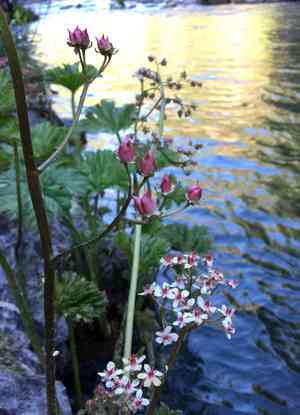
Indian rhubarb (Darmera peltata)
Also known as: Umbrella Plant, Indian Rhubarb
The plant you're referring to is likely the Indian Rhubarb (Darmera peltata). This perennial forms small umbrella-shaped clumps and showcases clusters of flowers in the springtime before its leaves emerge. It thrives in the moist environments found around the edges of bogs and small pond gardens.
In This Article
Attributes of Indian rhubarb
Lifespan
Perennial, Annual
Plant Type
Herb
Plant Height
2 m
Spread
1 m
Leaf Color
Green Red
Flower Size
0.5 mm to 1 mm
Flower Color
Pink White
Images of Indian rhubarb
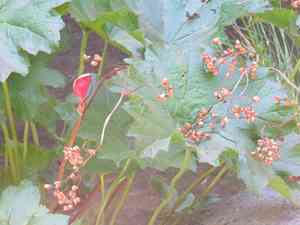
Quickly Identify Indian rhubarb
1
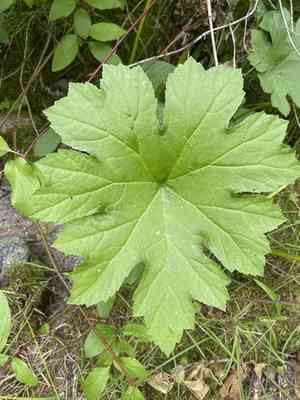
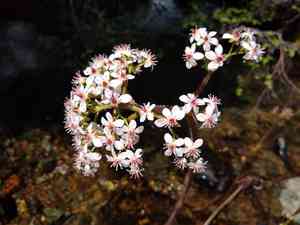
Look for large, rounded leaves that can reach up to 24 inches in diameter, held on long stalks. The flowers appear in early spring before the leaves fully emerge and are small, star-shaped, and arranged in clusters atop tall, naked stems.
Scientific Classification of Indian rhubarb
Phylum
Vascular plants
Class
Dicotyledons
Order
Saxifragales
Family
Saxifrage
Genus
Umbrella plant
Species
Indian rhubarb
Planting and Growing of Indian rhubarb
Care Difficulty
Easy
Watering Schedule
Every 8 days
Sunlight Requirements
Partial sun
Sunshine Duration
6-8 hours
Ideal Temperature
60-75℉
Soil Type
Potting Mix, Peat Mix
Soil pH
5.5-7.5
Fertilizer Type
Balanced
Pruning Season
Spring, Summer
Pruning Area
Branches, Leaves
Pruning Frequency
2 times a year
Repotting Season
Spring
Pot Type
Ceramic, Plastic
 How to Water Indian rhubarb?
For Darmera peltata, also known as umbrella plant, water deeply so that the soil is consistently moist but not soggy. Each watering session should aim to deliver about 500 ml, ensuring the soil is thoroughly dampened without waterlogging. Observing the soil's top inch is crucial to stay perfectly hydrated.
What are the symptoms of an underwatered Indian rhubarb?
›
What should I do if my Indian rhubarb is not getting enough water?
›
What are the symptoms of an overwatered Indian rhubarb?
›
How to save an overwatered Indian rhubarb?
›
 What Are the Sunlight Requirements for Indian rhubarb?
Darmera peltata thrives in partial sun to full shade, making it adaptable to varied garden settings. This light range encourages lush, healthy growth and optimal bloom production while minimizing leaf burn risks.
More About Sunlight Requirements Techniques→
What is the best location for planting?
›
How can I ensure the plant gets the proper light?
›
What benefits come from ideal light conditions?
›
 What Is the Ideal Temperature Range for Indian rhubarb?
Darmera peltata thrives best in a mild temperature range approximately between 60°F and 75°F. This range provides the plant with the required warmth to foster growth while avoiding the stress associated with temperature extremes. Maintaining steady temperatures within this bracket ensures optimal energy for photosynthetic processes and cellular functions, which are vital for the plant's health.
 What Soil is Best for Indian rhubarb?
Darmera peltata thrives in soil that retains moisture well. This is important because it helps maintain consistent hydration, which is essential for the plant's lush foliage and vibrant blooms. Proper moisture retention also prevents stress during dry spells. The presence of rich organic matter is vital for Darmera peltata. Organic materials improve soil fertility, enhancing growth and vitality by providing essential nutrients. This leads to a healthier plant with more robust and resilient growth. While Darmera peltata appreciates moist conditions, the soil should also be well-drained to prevent root rot. Proper drainage ensures that excess water flows away from the roots, safeguarding against waterlogged conditions that can be detrimental to plant health.
 How to Fertilize Indian rhubarb?
Darmera peltata, also known as the umbrella plant, needs moderate amounts of fertilizer, typically a balanced 10-10-10 NPK ratio. For liquid fertilizer, apply at half strength to avoid nutrient burn. It's important to foster growth without overwhelming the plant's roots.
 How to Prune Indian rhubarb?
Begin by identifying and removing any dead or damaged leaves. Look for any discolored or dried-out foliage that detracts from the plant's appearance. Trim back any overgrown stems to maintain the desired shape. Cut just above a leaf node to encourage new, bushier growth. After flowering, remove the spent flower stalks close to the base. This helps redirect the plant's energy into its foliage for better overall health.
More About Pruning Techniques→
 How to Propagate Indian rhubarb plant?
1
Fill the seed tray with well-draining potting mix. Moisten it evenly before spreading the seeds across the surface. Lightly cover the seeds with a thin layer of soil and mist again to ensure consistent moisture.
2
Carefully dig up the plant and clean off excess soil from the rhizomes. Use a sharp knife to cut the rhizome into sections, each with at least one growing point. Replant divisions immediately in a suitable location.
3
Space the rhizome divisions about 2-3 feet apart in a sunny or partially shaded area. Ensure the growing bud is positioned just at the soil surface. Water thoroughly immediately after planting to help settle the soil.
 How to Repot Indian rhubarb plant?
1
Darmera peltata, also known as the Indian Rhubarb, signals its need for repotting through crowded roots that begin to emerge through the drainage holes. Another sign is the slowed growth or reduced leaf size, indicating an insufficient root space. Spring or autumn is optimal for repotting, as these are the periods where the plant is less stressed by extreme temperatures.
2
When selecting a pot for Darmera peltata, opt for a container that is not only slightly larger than its current home but also offers excellent drainage. A pot that is too large can hold excessive moisture, potentially leading to root rot. Ideally, choose a pot made of breathable material like terracotta, which aids in maintaining a balanced moisture level and facilitates good air circulation.
3
Darmera peltata thrives in soil that is moist yet well-draining, rich in organic material. The right soil mix would ideally include components like peat, compost, and perlite. This combination ensures the plant's roots receive adequate moisture without being waterlogged, thus preventing root rot while promoting robust growth.
Learn More About Indian rhubarb Diseases
Anthracnose
Bacterial Leaf Spot
Bacterial Soft Rot
Crown Gall
Cyst Nematode
Damping-off
Downy Mildew
Drought Stress
Fusarium Wilt
Gray Mold
Leaf Spot
Mosaic
Nutrient Deficiency
Nutrient Toxicity
Powdery Mildew
Root Rot
Root-knot Nematode
Rusts
Sooty Mold
Spider Mites
Temperature Stress
Thrips Damage
White Mold
Chemical Injury



