How to Prune Fingerleaf gourd?
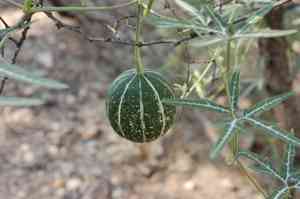
Celebrated for its extensive tendrils and characteristic lobed foliage, fingerleaf gourd flourishes with consistent upkeep. Trimming fosters air circulation and development, primarily by eliminating deceased or ailing leaves and managing its dimensions. The most suitable period for pruning is typically during spring or summer, coinciding with periods of vigorous growth. In these periods, reducing overgrown sections supports the plant's well-being, potentially boosting fruit yield. Cultivators must sanitize instruments to avert the dissemination of pathogens, guaranteeing precise incisions for swift recuperation.
What Are the Benefits of Pruning Fingerleaf Gourd?
What Are the Benefits of Pruning Fingerleaf Gourd?
Trimming fingerleaf gourd promotes robust development by reallocating energy to new shoots and preserving a desired form. Strategic cuts enhance air movement and sun exposure, crucial for the plant's vigor and shape maintenance.
What Is the Best Time for Pruning Fingerleaf Gourd?
What Is the Best Time for Pruning Fingerleaf Gourd?
Pruning fingerleaf gourd from late spring to early summer coincides with the start of its active growth phase, typically after the winter dormancy. This timing allows fingerleaf gourd to recover quickly from cuts, minimizing disease and stress. It also helps manage size and fosters a healthy structure, as the plant's energy is directed to new growth. Trimming before flowering ensures the plant's vitality focuses on producing strong flowers and fruits, which usually appear later in the summer.
What Tools Do I Need to Prune Fingerleaf Gourd?
Hand Pruners
Given the relatively soft stems of fingerleaf gourd, sharp hand pruners are appropriate for making clean cuts without harming the plant.
Pruning Saw
If fingerleaf gourd has developed thicker stems or branches, a pruning saw is needed to handle larger cuts effectively.
Gloves
Due to the rough texture and potential irritants on the plant, gloves are essential to protect the gardener's hands when pruning fingerleaf gourd.
Loppers
For hard-to-reach areas or slightly thicker stems, loppers provide the necessary leverage to prune fingerleaf gourd with ease.
Garden Scissors
For thin, delicate vines or to precisely shape fingerleaf gourd, garden scissors can be used for their control and accuracy.
Disinfectant
To prevent the spread of disease when pruning fingerleaf gourd, always use a disinfectant to clean the tools before and after use.
How to Prune Fingerleaf Gourd
Identification
Examine fingerleaf gourd thoroughly to pinpoint any diseased leaves, withered foliage, and unhealthy stems that need removal.
Sanitation
Clean and sterilize pruning tools to prevent the spread of disease when trimming fingerleaf gourd.
Removal Leaves
Using sharp pruning shears, carefully remove diseased and withered leaves from fingerleaf gourd at their base where they meet the main stem or branch, ensuring clean cuts to minimize damage.
Removal Stems
Trim away any diseased stems from fingerleaf gourd, cutting back to healthy tissue or to the plant's base, depending on the infection's severity. Ensure cuts are made at a slight angle to prevent water accumulation.
Cleanup
Dispose of all removed diseased material away from fingerleaf gourd and other plants to hinder disease spread, and clean tools again after completing pruning.
Common Pruning Mistakes with Fingerleaf Gourd
Overpruning
Removing too much growth at once can shock fingerleaf gourd and lead to poor health or reduced fruiting. This is a particular risk for beginners who might underestimate the resilience of fingerleaf gourd.
Blunt Instruments
Using dull blades can cause jagged cuts that are prone to infection and do not heal well. Both novice and experienced gardeners should regularly sharpen their tools.
Improper Cut Placement
Cutting fingerleaf gourd too close or too far from a node can either damage the node or leave a long stub that can rot and invite disease.
Ignoring Diseased Limbs
Failing to remove diseased or dead limbs can allow the illness to spread throughout fingerleaf gourd, which is a common oversight that can lead to detrimental effects on the plant's health.
Neglecting Tool Hygiene
Not cleaning tools before and after pruning different plants can transfer pathogens, pests, or diseases between plants, including fingerleaf gourd.
Pruning Without A Plan
Randomly cutting branches without understanding the growth pattern of fingerleaf gourd can result in an unbalanced shape and inhibit fruit production.
Common Pruning Tips for Fingerleaf Gourd
Sharp Clean Cuts
Make clean cuts with sharp pruning shears to encourage quick healing and reduce the risk of disease entry.
Prune For Airflow
Trim fingerleaf gourd to maintain good air circulation within the foliage, which helps to deter fungal infections and promotes healthy growth.
Identify Growth Nodes
Understand where the growth nodes are located and trim just above them to encourage new growth in the desired direction.
Remove Damaged Limbs
Regularly inspect fingerleaf gourd for any damaged, dead, or diseased limbs and remove them promptly to maintain plant health.
Consider Plant Structure
Make selective cuts to improve the structure of fingerleaf gourd, opening up the plant to more sunlight, which can enhance fruiting.
Disinfect Tools
Disinfect tools before and after use on fingerleaf gourd, especially if the plant has had any disease issues, to prevent cross-contamination.



