Enhancing Your Garden Design with the Fingerleaf gourd Plant: A Landscaping Guide
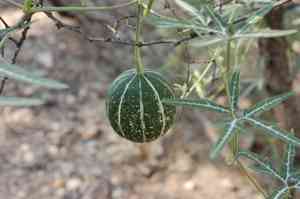
1
Fingerleaf gourd offers a distinctive aesthetic to any garden due to its unique leaves.
2
Fingerleaf gourd tolerates dry conditions well, making it ideal for regions with low rainfall.
3
Fingerleaf gourd draws in native animals, enhancing the variety of life in your garden.
Why Incorporate Fingerleaf Gourd into Your Landscape?
Visual Appeal: Elevate Your Garden's Look
A primary reason to feature Fingerleaf gourd in your garden is its visual charm. Its distinctive, finger-like foliage introduces intriguing texture and aesthetic interest to any outdoor setting. Whether your garden design leans modern or traditional, Fingerleaf gourd can significantly enhance its beauty. Its unusual leaves can spark conversations and give your garden a unique character, distinguishing it from typical green spaces.
Drought Tolerance: Perfect for Dry Regions
For gardeners in arid areas, selecting plants that endure harsh conditions is vital. Fingerleaf gourd is well-suited for such environments due to its excellent drought resistance. Once rooted, it requires minimal irrigation, lowering your garden's overall water usage. This not only saves money on water bills but also makes Fingerleaf gourd an eco-friendly option where water conservation is key. Furthermore, its resilience in dry climates means fewer replacements and less upkeep for you.
Wildlife Support: Boosting Local Biodiversity
Another compelling reason to add Fingerleaf gourd to your garden is its capacity to attract local wildlife. Its blossoms and leaves offer shelter and sustenance for various insects, birds, and small mammals. By integrating Fingerleaf gourd into your landscaping, you contribute to the local ecosystem's health by fostering biodiversity. This not only benefits the environment but also enlivens your garden with the hum and flutter of diverse species, creating a vibrant and dynamic space.
Landscape Design Concepts Using Fingerleaf Gourd
Garden Edges: Defining Your Outdoor Area
One effective way to use Fingerleaf gourd in your landscape design is to outline your garden borders. Its unique leaves can form a natural, appealing boundary that separates different garden zones. Whether lining paths, bordering flowerbeds, or marking patio edges, Fingerleaf gourd provides a soft yet structured feel. Its distinct shape beautifully contrasts with more common plants, offering an eye-catching frame for your garden.
Feature Planting: Creating Visual Highlights
Using Fingerleaf gourd as an accent plant is another excellent method to draw attention to specific garden areas. By strategically placing Fingerleaf gourd, you can establish focal points that direct the viewer's gaze to other garden elements, such as a water feature, sculpture, or seating area. The unusual foliage of Fingerleaf gourd stands out against less textured plants, making it an ideal choice for emphasizing key spots and adding depth to your overall garden design.
Mixed Beds: Blending Textures and Hues
Incorporating Fingerleaf gourd into mixed plant beds allows for creative play with textures and colors to achieve a dynamic visual effect. The distinct leaf shape of Fingerleaf gourd complements a variety of other plants, enriching the visual complexity of your garden. Combining Fingerleaf gourd with flowering plants, grasses, and shrubs can result in a rich tapestry of textures and shades, making your garden appear more vibrant and diverse. This approach helps prevent monotony and offers a visually engaging experience.
Integration Advice: Seamlessly Blending Fingerleaf Gourd into Your Garden
Soil Preparation for Optimal Growth
To ensure Fingerleaf gourd flourishes in your garden, proper soil preparation is crucial. Fingerleaf gourd prefers well-draining soil with a slightly sandy texture, mimicking its natural environment. Before planting, enrich your soil with organic matter like compost to enhance its structure and fertility. This will aid Fingerleaf gourd in establishing its roots more effectively and promoting healthy development. Regular soil testing can also help maintain ideal pH and nutrient levels.
Spacing Guidelines: Ensuring Health and Visibility
Correct spacing is vital for Fingerleaf gourd's health and aesthetic appeal. Plant Fingerleaf gourd where it has ample room to spread without crowding nearby plants. This ensures each plant receives sufficient sunlight, air circulation, and nutrients. As a general rule, space plants approximately 18 to 24 inches apart. This not only keeps the plants healthy but also enhances their visual impact, allowing the unique foliage to be fully appreciated.
Companion Planting: Enhancing Fingerleaf Gourd's Environment
Companion planting can boost the growth and vitality of Fingerleaf gourd. Consider pairing Fingerleaf gourd with plants that share similar water and light needs but offer contrasting textures or colors. Good companions might include drought-tolerant flowering plants or grasses, which can complement Fingerleaf gourd's distinct leaves. This method not only creates a more visually appealing garden but can also provide mutual benefits such as pest control and improved soil health.
Maintaining Fingerleaf Gourd: Simple Care for Busy Gardeners
Pruning Methods: Shaping Fingerleaf Gourd for Beauty and Health
Regular pruning is essential for maintaining Fingerleaf gourd's shape and health. Pruning helps remove dead or damaged leaves, encouraging new growth and preventing disease. Use clean, sharp pruning shears to trim overgrown areas, shaping the plant to suit your garden's design. Ideally, pruning should occur in spring or early fall when the plant is not actively growing. This simple maintenance practice keeps Fingerleaf gourd looking its best year-round.
Watering Requirements: Balancing Moisture for Robust Growth
Fingerleaf gourd is drought-resistant, but it still needs water. Especially during the initial planting phase, it's important to keep the soil consistently moist to help roots establish. Once established, Fingerleaf gourd can thrive with minimal watering. During extreme dry spells, occasional deep watering can help maintain its vigor. Always avoid overwatering, as this can lead to root rot and other fungal issues.
Seasonal Considerations: Preparing Fingerleaf Gourd for Weather Changes
Seasonal shifts can impact Fingerleaf gourd, so taking necessary precautions to protect it is important. In colder climates, applying a layer of mulch can help insulate roots during winter. During the growing season, monitor for pests and diseases, treating any issues promptly to prevent spread. Each season presents different challenges, but with a little preparation, Fingerleaf gourd can continue to thrive year after year, making it a resilient and rewarding addition to your garden.



