How to Prune Acuminate cotoneaster?
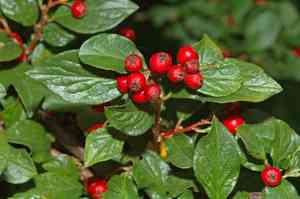
This leaf-shedding bush, recognized for its grouped pink blossoms and dark berries, flourishes with careful trimming to preserve its form and encourage robust development. For acuminate cotoneaster, the most effective pruning should take place in early spring or during its dormant winter period. Reducing the density of older limbs improves light access and air movement, which are vital for strength and flower yield. Eliminating dead or ailing wood is advantageous and ought to be performed whenever necessary to stop the spread of deterioration.
What Are the Benefits of Pruning Acuminate Cotoneaster?
What Are the Benefits of Pruning Acuminate Cotoneaster?
Trimming acuminate cotoneaster promotes abundant flowering and robust health by eliminating old or dead wood, which can harbor pests and diseases. Strategic cuts also stimulate new growth and air circulation, contributing to the plantâs overall vigor and bloom production.
What Is the Best Time for Pruning Acuminate Cotoneaster?
What Is the Best Time for Pruning Acuminate Cotoneaster?
Pruning or trimming acuminate cotoneaster in early spring is ideal as it allows for the removal of any dead or damaged branches before new growth begins. This timing aligns with the plant's dormant period, minimizing stress and ensuring energy is directed towards the development of new shoots and leaves. Late winter pruning is also suitable as it facilitates shaping the plant and removing any potentially diseased wood before spring growth, which can help prevent the spread of pathogens and encourage a healthier plant structure. The chosen seasons avoid disrupting acuminate cotoneaster's flowering and fruiting cycle, as pruning too late in the season could result in the loss of flower buds and subsequent fruit.
What Tools Do I Need to Prune Acuminate Cotoneaster?
Hand Pruners
Perfect for making precise cuts on acuminate cotoneaster's smaller branches. They ensure clean cuts without harming plant tissues.
Loppers
Appropriate for reaching deeper into acuminate cotoneaster's growth or cutting slightly thicker branches that hand pruners cannot manage.
Pruning Saws
Essential for cutting through the thickest branches of acuminate cotoneaster that are too large for hand pruners and loppers.
Hedge Shears
Useful for shaping acuminate cotoneaster if it is grown as a hedge or for trimming back multiple small branches simultaneously.
How to Prune Acuminate Cotoneaster
Identify
Examine acuminate cotoneaster for specific areas requiring pruning, such as diseased leaves, withered leaves, dead branches, diseased branches, faded flowers, and overly vigorous growth.
Sterilize
Sanitize pruning tools with a disinfectant solution to prevent the spread of disease during the pruning process.
Remove diseased and dead material
Snip off diseased and dead plant material. Begin with diseased leaves and withered leaves, then remove dead branches and diseased branches, ensuring clean cuts to promote healthy regrowth.
Prune withered flower and excessive growth
Trim faded flowers to encourage acuminate cotoneaster to conserve energy and stimulate new growth. Reduce excessive growth branches to maintain the desired shape and size of the plant.
Clean up
Clear away debris from pruning to prevent potential sources of disease or pests around acuminate cotoneaster. Dispose of diseased material properly to inhibit further contamination.
Common Pruning Mistakes with Acuminate Cotoneaster
Over-pruning
Removing too much foliage at once can stress acuminate cotoneaster, impeding its growth and recovery.
Improper cut location
Making cuts too far from a bud or too close to it can result in poor growth or disease entry.
Using dull tools
Blunt pruning tools can damage the branches of acuminate cotoneaster, leading to unhealthy plant tissue and poor healing.
Pruning without purpose
Random or unnecessary cuts can lead to a disfigured shape and may compromise the health and aesthetic of acuminate cotoneaster.
Neglecting sanitation
Failing to clean tools between uses can spread disease to acuminate cotoneaster from infected plants.
Common Pruning Tips for Acuminate Cotoneaster
Selective thinning
Remove specific branches to enhance light penetration and airflow. This encourages a stronger structure and better health for acuminate cotoneaster.
Heading cuts
Cut above a healthy bud facing outwards to direct new growth away from the center of acuminate cotoneaster.
Branch collars
Cut just outside the branch collar to promote efficient healing while pruning acuminate cotoneaster.
Tool maintenance
Use sharp, sanitized tools to make clean cuts, reducing damage and disease risk to acuminate cotoneaster.
Observant pruning
Regularly inspect acuminate cotoneaster and only prune when necessary, targeting dead, diseased, or overgrown branches to maintain plant health.



