The Acuminate cotoneaster Plant Advantage: Maximizing Home and Office Appeal and Wellness
1
Acuminate cotoneaster draws in diverse pollinators, boosting garden ecological variety.
2
A superb plant for ground cover, Acuminate cotoneaster aids in stopping soil degradation.
3
Acuminate cotoneaster needs little upkeep, making it a perfect option for gardeners with limited time.
What Makes Acuminate cotoneaster Stand Out?
Visual Charm
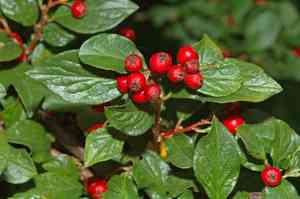
Acuminate cotoneaster is prized for its appealing, spear-shaped leaves that change hue throughout the year. In spring and summer, the foliage is a rich green, transitioning to vivid reds and oranges in autumn. This seasonal color shift provides year-round visual appeal and beauty.
Abundant Berries
A prominent characteristic of Acuminate cotoneaster is its bright red fruits which emerge in late summer and remain through winter. These berries not only add a burst of color to your garden during colder months but also serve as sustenance for birds and other wildlife.
How Does Acuminate cotoneaster Benefit the Environment?
Attracting Pollinators
Acuminate cotoneaster's tiny, white blossoms draw in various pollinators, including bees and butterflies. By luring these beneficial insects, Acuminate cotoneaster aids in supporting the health of the local ecosystem and encourages the pollination of nearby plants, thereby boosting garden biodiversity.
Preventing Soil Erosion
The dense growth habit and extensive root system of Acuminate cotoneaster make it an effective ground cover for preventing soil erosion. Whether planted on slopes or flat ground, Acuminate cotoneaster stabilizes the soil, reducing runoff and preventing the loss of valuable topsoil.
Why is Acuminate cotoneaster a Low-Maintenance Option?
Drought Resilience
Acuminate cotoneaster is highly drought-tolerant once established, making it suitable for gardens in areas with water restrictions or infrequent rainfall. This hardiness reduces the need for constant watering and helps conserve water, aligning with sustainable gardening practices.
Minimal Pruning Required
Unlike many other ornamental plants that demand regular pruning to maintain their form and vigor, Acuminate cotoneaster needs very little trimming. Occasional removal of dead or overgrown branches is enough to keep the plant looking its best, saving gardeners time and effort.
Where Can You Cultivate Acuminate cotoneaster?
Soil and Sunlight Needs
Acuminate cotoneaster thrives in various soil types, from sandy to clay-rich, provided they drain well. Full sun to partial shade is ideal for optimal growth, allowing the plant to develop its lush foliage and vibrant berries. It's a versatile plant that adapts well to different garden conditions.
Hardiness Zones
Acuminate cotoneaster is hardy in USDA zones 5 through 8, making it suitable for a wide range of climates. Whether you reside in a temperate or slightly cooler region, Acuminate cotoneaster can withstand varying temperatures and weather conditions, adding to its appeal as a dependable garden plant.



