How to Propagate Acuminate cotoneaster?
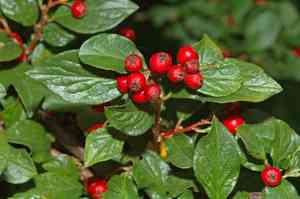
Cotoneaster acuminata flourishes when reproduced via the cutting technique. For best outcomes, choose robust semi-hardwood cuttings, making sure they measure approximately 4-6 inches long. These should ideally originate from mature specimens. Employing a rooting stimulant is essential to boost root formation, and they should be potted in a blend of peat and perlite to ensure proper moisture retention and air circulation. Regular observation of moisture content and a stable, partially shaded setting will encourage vigorous development.
Optimal Time for Acuminate Cotoneaster Propagation
Propagation Method
Cuttings
Propagation Period
Fall,Winter
Tools for Acuminate Cotoneaster Propagation
Sharp pruning shears
These are vital for obtaining clean, precise sections from acuminate cotoneaster. Sharp blades ensure cuts are neat and don't crush plant tissues, which is key for successful healing and rooting.
Rooting hormone powder or gel
This product encourages root development when applied to the base of acuminate cotoneaster cuttings. It contains synthetic auxins that mimic natural plant hormones, promoting faster, stronger root growth, essential for new plant establishment.
Sterilizing solution (e.g., isopropyl alcohol or bleach solution)
Used for sanitizing pruning shears before and after taking acuminate cotoneaster cuttings. Sterilization prevents disease spread between plants, ensuring cutting health and viability.
Peat pots or small containers with drainage holes
These are used to house the prepared cuttings. Containers should have good drainage to prevent waterlogging, a common issue leading to root rot during the rooting process.
Perlite or vermiculite mixed with peat or potting soil
This propagation medium offers excellent aeration and moisture retention, crucial for acuminate cotoneaster root development. The mix supports cuttings by maintaining an optimal air and moisture balance around developing roots.
Plastic covers or propagation domes
These tools help maintain a high humidity environment around new acuminate cotoneaster cuttings, essential to prevent delicate cuttings from drying out before rooting. Consistent humidity also aids faster root growth.
Propagating Acuminate Cotoneaster
Propagation Type
Moderately Difficult
Caring for Your Newly Propagated Acuminate Cotoneaster
Caring for Your Newly Propagated Acuminate Cotoneaster
Post-propagation, gradually introduce rooted acuminate cotoneaster cuttings to less humid conditions by opening the cover daily. Once robust, transfer them to individual pots with standard potting soil. Water regularly but avoid overwatering, allowing soil to dry slightly between sessions. Place in a sunny to partially shaded spot. During the growing season, fertilize monthly with a balanced, diluted liquid feed. In winter, reduce watering but prevent complete soil dryness.
Common Errors to Avoid When Propagating Acuminate Cotoneaster
Insufficient rooting medium moisture
Keeping the rooting medium either too dry or excessively wet can cause issues. Too much moisture can lead to root rot, while too little can hinder root development, both significantly impacting acuminate cotoneaster health and growth.
Overcrowding cuttings
Placing too many cuttings close together can reduce airflow and increase moisture, potentially encouraging fungal growth and negatively affecting acuminate cotoneaster root development.
Neglecting hygiene
Using unsterilized tools or containers can introduce pathogens to acuminate cotoneaster cuttings, increasing disease risk that can severely impact propagation success.
Tips For Propagating Acuminate Cotoneaster
Proper cutting selection
Choose healthy, disease-free branches from a mature acuminate cotoneaster for cuttings. This increases the likelihood of successful rooting and strong plant development.
Adequate humidity and temperature
Maintaining optimal humidity and stable temperatures helps ensure efficient rooting of acuminate cotoneaster cuttings. This creates an ideal environment for new growth without stressing the plant.
Use of rooting hormones
Applying the correct concentration of rooting hormone can significantly enhance root development in acuminate cotoneaster cuttings. This promotes quicker establishment and more robust growth.
Regular monitoring
Frequent checks for moisture content, growth signs, or disease manifestations are crucial. Early detection of issues allows for timely interventions, vital for acuminate cotoneaster propagation health and success.



