How to Prune Winter hazel?
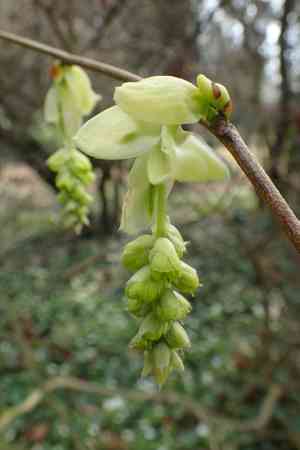
Distinguished by its profusion of yellow blossoms prior to foliage emergence, winter hazel greatly profits from trimming. Essential methods involve eliminating deceased or intersecting limbs and sculpting for form. The most effective pruning should occur from late spring to early summer, following the blooming period to prevent the loss of nascent buds. Consistent thinning improves light access and air movement, fostering more robust development. Refrain from extensive cutting to uphold the inherent shape of winter hazel, guaranteeing sustained vitality and flower yield.
Advantages of Trimming Winter Hazel
Advantages of Trimming Winter Hazel
Trimming winter hazel promotes abundant flowering and strong vitality. Strategic cuts eliminate weak branches, decreasing vulnerability to disease. Maintaining size and form through timely trimming also enhances winter hazel's visual appeal.
Optimal Time for Trimming Winter Hazel
Optimal Time for Trimming Winter Hazel
The best periods for trimming winter hazel are late spring and early summer. These times are considered ideal because pruning then aligns with winter hazel's growth cycle, allowing the plant to recover before the next growing season, minimizing stress and disease susceptibility. Late spring trimming ensures blooming has concluded, as winter hazel typically flowers in early spring. This timing is crucial to avoid removing flower buds, which formed the previous year. By trimming in early summer, gardeners give winter hazel ample time to recuperate and produce new growth that will mature and harden before winter. Careful trimming during these seasons supports healthy development and maintains the plant's desired dimensions and form.
Tools Required for Trimming Winter Hazel
Bypass Pruners
Perfect for making precise cuts on small to medium branches of winter hazel, bypass pruners create a clean incision vital for the plantâs well-being. They operate like scissors, with two blades passing each other for an accurate cut.
Loppers
Loppers are suitable for cutting through thicker branches that bypass pruners cannot manage. They feature long handles that provide leverage for easier cutting and are ideal for reaching higher branches without overstretching.
Pruning Saw
For the thickest branches of winter hazel, a pruning saw is essential. It enables cutting through wood too large for pruners and loppers. The saw's teeth can handle the fibrous and hard wood of mature branches, making it perfect for significant shaping or removing large limbs.
Hand Shears
Hand shears are utilized for shaping winter hazel by trimming smaller twigs or foliage. They allow for detailed work and provide a more refined appearance, especially important if winter hazel is part of a formal garden design.
How to Trim Winter Hazel
Sanitizing tools
Before beginning, ensure all trimming tools are clean and sharp to prevent disease spread and to make precise cuts on winter hazel.
Diseased withered
Identify and remove any diseased or withered leaves from winter hazel by cutting them at their base where they meet the stem or branch, being careful not to harm healthy adjacent foliage.
Dead diseased branches
Trim dead and diseased branches from winter hazel by making clean cuts just above a healthy bud or lateral branch. For larger branches, employ the three-cut method to prevent bark tearing.
Withered flowers
Cut withered flowers from winter hazel back to the first set of healthy leaves to encourage new growth and prevent the plant from expending energy on seed production.
Excessive growth
Thin out overly dense branches on winter hazel to improve air circulation and light penetration. Remove crossing or inward-growing branches to maintain an attractive shape and promote the plant's health.
Common Trimming Errors with Winter Hazel
Over-trimming
Avoid removing more than one-third of winter hazel's total growth, as this can stress the plant and diminish its vigor.
Improper cuts
Incorrect cutting angles or jagged cuts can harm winter hazel, making it vulnerable to disease and pest infestation.
Neglecting tools
Failing to use sharp, clean trimming tools can result in untidy cuts that may not heal properly and could damage winter hazel.
Trimming for shape only
Focusing solely on shaping winter hazel rather than the plant's health can lead to excessive removal of growth and potential loss of flowers.
Ignoring dead wood
Not removing dead or diseased wood can prevent winter hazel from directing energy toward healthy growth and flowering.
General Trimming Advice for Winter Hazel
Evaluate before cutting
Carefully assess winter hazel's structure and growth habit to determine which branches to trim.
Clean cuts
Make clean, diagonal cuts just above buds or branching points to encourage healthy regrowth in winter hazel.
Tool care
Maintain sharp, clean, and appropriately sized trimming tools to ensure precise cuts for winter hazel.
Thin out
Thin out older stems to allow light and air circulation, which can help improve the flowering of winter hazel.
Post-flowering trimming
Trim winter hazel right after flowering for optimal health, as it allows time for new growth that will bloom the following season.



