The Winter hazel Plant Advantage: Maximizing Home and Office Appeal and Wellness
1
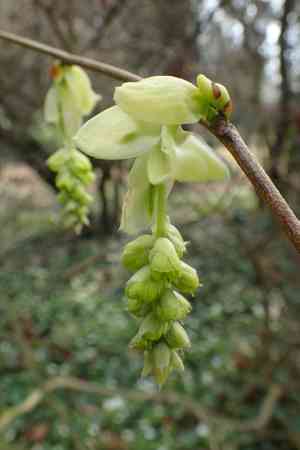
Winter hazel yields lovely yellow blossoms that emerge in early spring.
2
Winter hazel draws helpful pollinators like bees and butterflies.
3
Winter hazel is simple to maintain, making it ideal for gardeners of any experience level.
Why Cultivate Winter Hazel in Your Outdoor Space?
Enhancing Garden Visuals
Winter hazel is celebrated for its striking appearance, especially its early-spring yellow blossoms that can brighten any garden area. The flowers typically emerge before the leaves, creating a vivid contrast and offering a refreshing burst of color after a long winter. The plant's graceful branches and rich green foliage further enhance its decorative value, making it a focal point in any planting scheme.
Supporting Local Wildlife
A significant ecological advantage of Winter hazel is its capacity to attract pollinators such as bees and butterflies. These beneficial insects are crucial for the health and reproduction of numerous plants. By planting Winter hazel, you contribute to fostering a more diverse and robust garden ecosystem, which can aid in natural pest control and improve plant pollination.
What Upkeep Does Winter Hazel Need?
Minimal Irrigation Requirements
Winter hazel is recognized for its low maintenance demands, making it an excellent choice for both new and experienced gardeners. One of its most notable benefits is its minimal watering needs. Once established, Winter hazel is quite drought-tolerant and doesn't require frequent irrigation, which also makes it a suitable option for areas with water restrictions.
Pest and Disease Resistance
Another advantage of Winter hazel is its resilience to common garden pests and diseases. This hardiness reduces the necessity for chemical interventions, making your garden more environmentally friendly. Regular observation and basic care, such as mulching and pruning, are generally sufficient to keep this plant healthy and flourishing.
How to Incorporate Winter Hazel into Your Garden Design?
Companion Planting Strategies
Integrating Winter hazel into your garden design can be both visually appealing and beneficial for other plants in your garden. It pairs well with spring bulbs, like daffodils and tulips, which can share the same blooming period. Additionally, its early flowering time provides an initial food source for pollinators, establishing a thriving garden ecosystem for the entire growing season.
Creating Visual Anchors
Given its aesthetic appeal, Winter hazel can be utilized to establish focal points in your garden design. Position it near pathways, entryways, or in front of darker foliage plants to make the yellow blooms stand out. Its arching branches can also be trained to form natural canopies or archways, adding a romantic or whimsical touch to your garden layout.
Where is the Optimal Spot to Plant Winter Hazel?
Ideal Sunlight Conditions
Winter hazel thrives best in locations that receive full to partial sunlight. It prefers well-drained soil and can adapt to various soil types, though a slightly acidic to neutral pH is optimal. Planting it in an area that receives morning sun and afternoon shade can help maintain the plant's health and longevity.
Soil and Spacing Needs
To ensure robust growth, it is essential to plant Winter hazel in well-drained soil. Incorporate compost or organic matter to enhance soil quality if necessary. When planting multiple Winter hazels, space them approximately 4-6 feet apart to allow ample room for growth and prevent overcrowding, which can lead to poor air circulation and potential disease issues.



