How to Propagate Winter hazel?
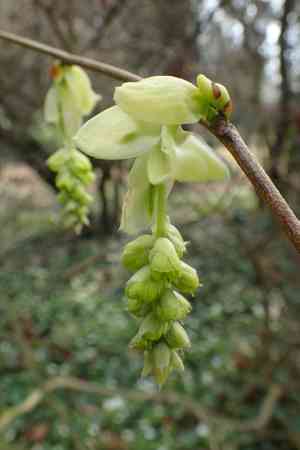
Winter hazel flourishes when reproduced via the cutting technique. For improved outcomes, choose robust, semi-hardwood sections during periods of vigorous development. Employ sterile, sharp pruners for making incisions, then immerse the severed ends in rooting compound prior to inserting them into a well-drained, damp substrate. Maintain a humid atmosphere and provide filtered light to stimulate root formation. Consistent observation of hydration levels and prevention of fungal growth are vital for fostering strong development.
Optimal Period for Winter Hazel Propagation
Propagation Method
Cutting
Propagation Period
Autumn,Winter
Tools Required for Winter Hazel Propagation
Sharp Pruning Shears
These are crucial for obtaining clean, precise cuttings from winter hazel. Clean cuts prevent disease and damage to the parent plant, vital for the health of both cuttings and the original plant.
Rooting Hormone
This product stimulates root growth in winter hazel cuttings. Applying rooting hormone to the base significantly boosts the chances of successful root development, essential for healthy establishment post-propagation.
Sterilized Potting Mix
A light, well-draining, and sterile potting mix offers an ideal environment for winter hazel roots to grow. Sterility helps ward off disease and fungal attacks on vulnerable new cuttings, aiding in successful plant establishment.
Humidity Domes
These covers help maintain high humidity around new winter hazel cuttings, crucial for their survival before root establishment. They prevent drying out and create conditions favorable for root formation.
Heat Mats
These are used to maintain a steady soil temperature, which can greatly enhance the rooting success rate for winter hazel cuttings. Warmth is key in promoting rooting hormone activity and encouraging faster root growth.
How to Propagate Winter Hazel?
Propagation Difficulty
Moderately Difficult
Caring for Your Newly Propagated Winter Hazel
Caring for Your Newly Propagated Winter Hazel
After rooting, gradually introduce the young plants to less humid conditions by removing the plastic cover for increasingly longer periods over a week. Once firmly rooted, transplant each winter hazel into its own pot with fresh potting mix and water regularly. Keep them in partial shade, avoiding harsh direct sunlight. Monitor for pests and diseases, treating as needed. During the growing season, apply a balanced fertilizer every four weeks to support healthy development.
Common Errors to Avoid When Propagating Winter Hazel
Incorrect Cutting Type
Selecting the wrong part of winter hazel for cuttings can hinder root development. For winter hazel, semi-hardwood cuttings are generally more successful than softwood or hardwood cuttings.
Overwatering
Providing too much water to winter hazel cuttings can lead to root rot or fungal diseases, impeding healthy root development.
Excessive Sunlight
Exposing winter hazel cuttings to direct sunlight can cause dehydration and sunburn, negatively impacting their survival and growth.
Ignoring Humidity Needs
Winter hazel requires a specific humidity level to thrive during propagation. Neglecting this can cause cuttings to dry out and fail to root.
Tips For Propagating Winter Hazel
Appropriate Cutting Selection
Use semi-hardwood cuttings for winter hazel, ideally from healthy, disease-free branches. This increases the likelihood of successful rooting.
Balanced Watering
Maintain consistent soil moisture without waterlogging. Winter hazel cuttings thrive in well-drained, moist conditions.
Controlled Light Exposure
Protect winter hazel cuttings from direct sunlight by placing them in a bright, indirect light environment. This helps prevent stress from extreme temperatures and light intensity.
Maintain Humidity
Use a humidity dome or similar setup to keep the air around winter hazel cuttings humid. This helps prevent the cuttings from drying out before they can establish roots.



