How to Prune West indian milkberry?
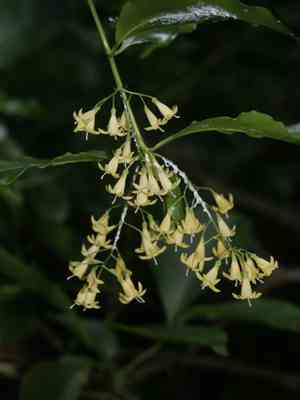
For west indian milkberry, a tropical evergreen climber recognized for its glossy foliage and white to yellow fruits, trimming ought to occur in winter, its inactive phase. Cut back to sculpt, manage dimensions, or eliminate compromised limbs. Perform selective pruning, as the plant endures trimming effectively, fostering more robust development and thicker leaves. Refrain from severe cutting, as this could diminish blooming. Pruning improves air circulation, lowers the chance of illness, and stimulates fruit yield.
What Are the Benefits of Pruning West Indian Milkberry?
What Are the Benefits of Pruning West Indian Milkberry?
Trimming west indian milkberry encourages strong development and maintains its desired form. Regular cutting eliminates overgrown branches, fostering a more robust and attractive shape while promoting healthier foliage and structure.
What Is the Best Time for Pruning West Indian Milkberry?
What Is the Best Time for Pruning West Indian Milkberry?
Pruning west indian milkberry in late winter is beneficial as the plant is typically dormant, minimizing stress and sap loss. This timing allows for healthier regrowth in spring when its growth cycle is most active. Late winter trimming also prevents removing the upcoming seasonâs blooms, as west indian milkberry usually flowers on new growth. Gardeners can shape the plant and manage its size effectively without impacting its flowering potential or fruit production, which follows the flowering period.
What Tools Do I Need to Prune West Indian Milkberry?
Hand pruners
Perfect for making precise, clean cuts on west indian milkberry's thinner stems and branches less than 3/4 inch thick.
Loppers
Essential for cutting through thicker branches of west indian milkberry that hand pruners cannot manage, typically those up to 1.5-2 inches in diameter.
Pruning saw
Used for the largest branches of west indian milkberry over 2 inches in diameter. A saw with fine teeth will create smoother cuts that heal faster.
Shears
Useful for shaping west indian milkberry and trimming lighter, finer foliage or smaller stems, allowing quick, snip-style cutting for a neat appearance.
Gloves
Protective gloves are crucial to shield hands from thorns or rough bark when pruning west indian milkberry.
Pruning sealant
Though not a tool, it's recommended for sealing larger cuts on west indian milkberry to prevent disease, though some gardeners prefer natural healing without it.
How to Prune West Indian Milkberry
Clean Tools
Before starting, ensure all pruning tools are clean and sharp to prevent introducing diseases to west indian milkberry. Sterilize blades with isopropyl alcohol.
Identify
Carefully identify dead or diseased branches on west indian milkberry that need pruning. Look for branches showing discoloration, wilting, or damage.
Cut Dead Branches
Using your pruning shears, make a clean cut to remove dead branches. Cut at a 45-degree angle, about 1/4 inch above a healthy bud or branch to encourage proper healing and regrowth.
Cut Diseased Branches
Prune any diseased branches on west indian milkberry well back from the affected area to prevent disease spread. Ensure you cut into healthy tissue and dispose of diseased clippings properly, away from healthy plants.
Disinfect Tools
After pruning west indian milkberry, disinfect your tools after cutting diseased branches to avoid cross-contamination to other plants or parts of west indian milkberry.
Common Pruning Mistakes with West Indian Milkberry
Over-Pruning
Removing too much growth at once can shock west indian milkberry, potentially leading to weakened health or even plant death.
Improper Cuts
Making cuts too far from a node, or leaving a stub, can cause west indian milkberry to heal poorly and may lead to disease entry or pest infestation.
Ignoring Shape
Failing to maintain the natural shape of west indian milkberry during pruning can result in an unbalanced and unsightly appearance.
Pruning Too Frequently
West indian milkberry does not require constant pruning. Over-pruning can hinder its natural growth patterns and flowering potential.
Tool Cleanliness
Using dirty tools can introduce pathogens to west indian milkberry, causing disease. It's important to always use clean, sterilized pruning equipment.
Common Pruning Tips for West Indian Milkberry
Selective Thinning
Trim west indian milkberry by selectively removing some older stems to encourage air circulation and light penetration, leading to healthier growth.
Cuts Location
Make cuts just above the leaf nodes at a 45-degree angle to ensure proper healing and to stimulate new growth in west indian milkberry.
Balanced Shape
Maintain a balanced, natural shape when pruning west indian milkberry to enhance its appearance and support robust growth.
Growth Observation
Monitor west indian milkberry's growth patterns to identify which branches to prune for optimal plant health and blooming.
Healing Time
Allow west indian milkberry time to heal between pruning sessions, as this will support its vigor and resilience.
Sharp Tools
Always use sharp pruning shears or scissors to make clean cuts on west indian milkberry, reducing damage to the stems and facilitating quicker healing.



