Enhancing Your Garden Design with the West indian milkberry Plant: A Landscaping Guide
1
The West Indian milkberry offers a distinct aesthetic charm to any garden environment.
2
Combine West Indian milkberry with suitable companion plants to enhance its visual appeal.
3
Consistent upkeep guarantees the West Indian milkberry continues to be a prominent element in your outdoor space.
Introducing West Indian Milkberry in Landscaping
Why select West Indian Milkberry for your outdoor space?
Opting for West Indian Milkberry in your garden offers numerous advantages. This plant is renowned for its hardiness and adaptability to diverse climates, alongside its relatively low maintenance needs, making it perfect for both new and seasoned gardeners. It flourishes in various light conditions, though partial shade is ideal, providing flexibility in placement. Its distinctive berries introduce color and charm, ensuring your garden remains lively and inviting all year.
The unique visual appeal of West Indian Milkberry
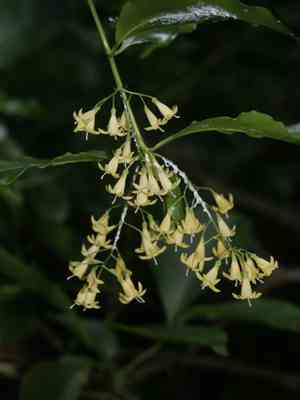
The visual charm of West Indian Milkberry is undeniable. With its glossy green leaves and clusters of white berries, it can serve as a striking focal point in any garden. The plant's form and structure impart elegance and sophistication, fitting various landscape styles, from rustic to contemporary. Its ability to integrate well with other plants while still standing out guarantees it will always be a talking point among garden visitors.
Optimal Placement of West Indian Milkberry in Garden Designs
Creating focal points with West Indian Milkberry
When establishing focal points with West Indian Milkberry, consider positioning it where it's easily visible and appreciated, such as near pathways or garden entrances. Its captivating berries and lush foliage can attract attention and act as a central element around which other plants are arranged. To enhance its focal role, think about using decorative pots or garden structures that complement its natural beauty.
Areas to avoid for West Indian Milkberry placement
While West Indian Milkberry is adaptable, certain garden spots might not be conducive to its growth. Steer clear of overly shaded or waterlogged areas, as these conditions can negatively affect its development. It's also wise to keep it away from prolonged, intense direct sunlight, which can cause leaf burn. Ensuring West Indian Milkberry is planted in a location with good drainage and moderate sun exposure will help it thrive.
Companion Plants and Elements for West Indian Milkberry
Best companion plants for West Indian Milkberry
Pairing West Indian Milkberry with suitable companion plants can enhance its beauty and the overall garden aesthetic. Consider planting it alongside ferns, hostas, or perennial flowers that prefer similar conditions. These companions can boost West Indian Milkberry's verdant appearance and create a harmonious and balanced garden landscape. Additionally, choosing plants with varied heights and textures will add depth and interest to your garden design.
Decorative elements to enhance West Indian Milkberry's appearance
Incorporating decorative elements can further elevate the visual appeal of West Indian Milkberry. Garden statues, bird baths, and ornamental rocks strategically placed around it can create a picturesque and unified look. You might also consider using mulch or garden gravel to frame West Indian Milkberry, providing a neat and refined appearance. These decorative touches will not only highlight its beauty but also contribute to the overall aesthetic harmony of your garden.
Seasonal Considerations for West Indian Milkberry in Your Landscape
Ideal times of year for planting West Indian Milkberry
The best periods to plant West Indian Milkberry are during the cool, moist seasons of spring and fall. These times offer optimal conditions for the plant to establish its root system and begin growing in a favorable climate. Planting during these seasons minimizes stress on West Indian Milkberry and increases the likelihood of successful growth. Additionally, ensure the soil is well-prepared and fertile to give it the best start in its new environment.
How West Indian Milkberry's look changes with the seasons
West Indian Milkberry undergoes subtle yet beautiful transformations throughout the year. In spring and summer, you'll observe its vibrant green foliage and clusters of white berries, which can add a fresh and lively touch to your garden. As seasons transition to autumn and winter, its leaves may adopt a slightly darker hue, and the berries often persist, offering visual interest even in colder months. Understanding these seasonal shifts helps in planning your garden for year-round beauty.
Maintaining the Aesthetic Value of West Indian Milkberry
Regular upkeep tips for West Indian Milkberry
Maintaining West Indian Milkberry's aesthetic value involves consistent care and attention. Periodic pruning helps maintain its shape and promotes healthy growth. Removing dead or yellowing leaves can prevent disease and keep your plant looking its best. Regular watering is also crucial, though be careful not to overwater as it prefers well-drained soil. Fertilizing during the growing season will provide necessary nutrients to sustain its vibrant appearance.
Quick checks to keep West Indian Milkberry thriving
Keeping West Indian Milkberry thriving requires a few quick checks that can be easily integrated into your gardening routine. Inspect the plant regularly for signs of pests or diseases, and address any issues promptly to prevent their spread. Ensure the soil moisture levels are appropriate, adjusting watering habits as needed based on weather conditions. Additionally, maintaining a layer of mulch around it can help retain moisture and regulate soil temperature, contributing to the plant's overall health.



