How to Propagate West indian milkberry?
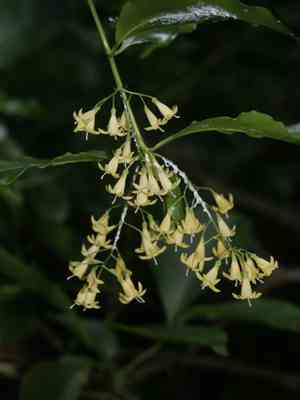
West Indian milkberry can be successfully multiplied by planting seeds. For optimal development, seeds must be gathered from mature fruit, thoroughly cleaned, and then planted in a substrate that drains efficiently. Sufficient hydration is crucial for sprouting; nevertheless, it's important to prevent overly saturated conditions, which could cause decay. After the young plants appear and are robust enough to handle, they ought to be moved into separate containers prior to being placed in their permanent spot. Diligent attention during the early stages of growth contributes to strong and hardy plants.
Optimal Time for West Indian Milkberry Propagation
Propagation Method
Cutting
Propagation Period
Autumn,Winter
Tools Required for West Indian Milkberry Propagation
Sharp Pruning Shears
These are vital for making clean, precise cuts on the semi-hardwood stems of west indian milkberry. A clean cut minimizes plant tissue damage, improving rooting success. This tool helps prevent infection during the cutting process.
Rooting Hormone Powder
This chemical assists in stimulating root development from the cut ends of west indian milkberry. Applying rooting hormone increases the probability of successful root formation, which is essential for new plant establishment.
Sterile Potting Mix
A well-draining, sterile potting mix offers an ideal environment for rooting west indian milkberry cuttings. Sterility helps ward off fungal and bacterial diseases, which can be harmful during delicate root formation stages.
Propagation Trays
These trays are utilized to organize and manage multiple west indian milkberry cuttings in a controlled setting. Trays should have adequate drainage and sufficient space to accommodate new root growth without overcrowding.
Heating Mats
Heating mats help maintain a consistent, appropriate temperature around the root zone of west indian milkberry, which is critical for promoting root development, especially in cooler climates or seasons.
Misting System or Spray Bottle
A misting system or simple spray bottle maintains humidity around west indian milkberry cuttings, preventing desiccation while new roots develop. Proper hydration is crucial for cutting survival and growth.
How to Propagate West Indian Milkberry?
Propagation Type
Moderately Difficult
Caring for Your Newly Propagated West Indian Milkberry
Caring for Your Newly Propagated West Indian Milkberry?
Once roots are established, gradually acclimate west indian milkberry to less humid conditions. Move the new plant to its permanent spot where it receives bright, indirect light. Maintain regular watering, allowing the soil to dry slightly between waterings. Fertilize with a balanced, slow-release fertilizer during the growing season to support healthy growth. Monitoring for pests and diseases is also recommended to ensure a vigorous plant.
Common Errors to Avoid When Propagating West Indian Milkberry
Overwatering
Excessive watering can lead to root rot in west indian milkberry, a condition that degrades roots and hinders the plantâs ability to absorb nutrients and water, ultimately stunting growth or killing the plant.
Using inadequate soil mix
Employing a poorly draining soil mix can retain too much moisture around west indian milkberry roots. This creates an environment prone to fungal infections and root rot, severely impacting propagation success.
Cutting too short stem segments
Propagating west indian milkberry with overly short cuttings may not provide enough nodes for root and shoot development. Insufficient nodes can result in a lower success rate for rooting and plant growth.
Ignoring pest management
Neglecting pest control during the early stages of west indian milkberry propagation can lead to infestations that weaken the plant and reduce overall propagation success.
Tips For Propagating West Indian Milkberry
Use well-draining soil
A well-draining soil mix supports healthy root growth by ensuring excess water drains away from roots, preventing issues like root rot and promoting stronger root establishment for west indian milkberry.
Moderate watering
Maintaining balanced watering ensures west indian milkberryâs soil is moist but not waterlogged. This balance is vital for encouraging root growth without risking fungal diseases or root rot.
Choose healthy mother plants
Starting with a vigorous, disease-free mother plant for cuttings increases the likelihood of successful propagation. Healthy parent plants will yield stronger and more viable cuttings for west indian milkberry.
Maintain optimal humidity
Keeping humidity levels high can aid the rooting process of west indian milkberry cuttings by preventing them from drying out before they manage to root. Using a humidity dome or misting regularly can help achieve this environment.



