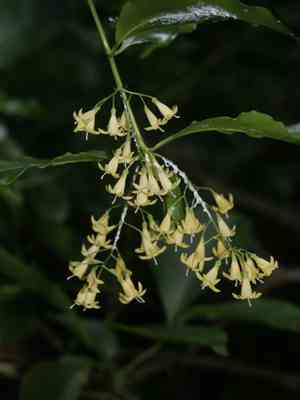
West indian milkberry (Chiococca alba)
Also known as: Snow berry
The West Indian milkberry, scientifically known as *Chiococca alba*, is a woody vine belonging to the coffee family. Its name originates from the Greek words "chio," meaning "snow," and "cocca," meaning "berry," highlighting its white berries. The term "alba" is Latin for "white," which also points to the berry color.
In This Article
Attributes of West indian milkberry
Lifespan
Perennial
Plant Type
Tree
Plant Height
8 m
Spread
1 to 2 meters (3 to 6 feet)
Leaf Color
Green
Flower Size
2.5 cm
Flower Color
White Yellow
Images of West indian milkberry
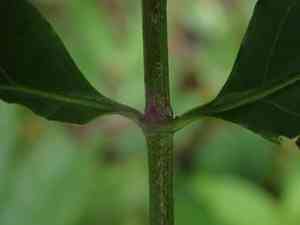
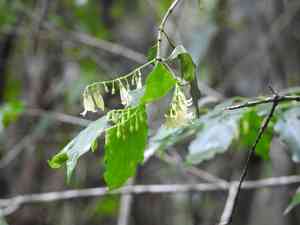
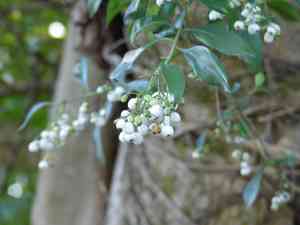
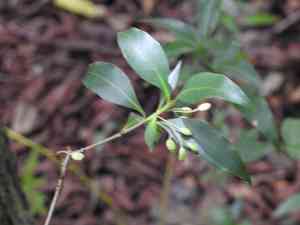
Quickly Identify West indian milkberry
1
Identify by its shiny, green elliptical leaves, clusters of small white flowers, and white or yellow berries. The plant typically has a woody stem.
Scientific Classification of West indian milkberry
Phylum
Vascular plants
Class
Dicotyledons
Order
Gentianales
Family
Madder
Genus
Chiococca
Species
West indian milkberry
Planting and Growing of West indian milkberry
Care Difficulty
Easy
Watering Schedule
Every 3 days
Sunlight Requirements
Full sun
Sunshine Duration
4-8 hours
Ideal Temperature
68-86℉
Soil Type
Potting Mix, Peat Mix
Soil pH
6.5-7.5
Fertilizer Type
Balanced
Pruning Season
Spring, Summer
Pruning Area
Branches, Leaves
Pruning Frequency
2 times a year
Repotting Season
Spring
Pot Type
Plastic, Terracotta
 How to Water West indian milkberry?
Chiococca alba prefers consistent but moderate watering. Watering should be deep, allowing the soil to become thoroughly moist, then let it dry slightly before the next watering. The goal is to maintain moisture without causing waterlogging.
What are the symptoms of an underwatered West indian milkberry?
›
What should I do if my West indian milkberry is not getting enough water?
›
What are the symptoms of an overwatered West indian milkberry?
›
How to save an overwatered West indian milkberry?
›
 What Are the Sunlight Requirements for West indian milkberry?
Chiococca alba ideally benefits from partial to full sun exposure. Within this range, the plant will achieve optimal photosynthesis, ensuring lush growth, healthy foliage, and potential flowering. This contributes significantly to its dynamic appearance and robustness.
More About Sunlight Requirements Techniques→
What is the best lighting condition for Chiococca alba?
›
How can you provide ideal lighting for Chiococca alba?
›
What are the benefits of ideal light conditions for Chiococca alba?
›
 What Is the Ideal Temperature Range for West indian milkberry?
Chiococca alba thrives best in warm environments. The ideal temperature range for its growth is between 68°F to 86°F. This range allows for optimal metabolic processes, ensuring healthy growth and blooming. Consistent exposure to these temperatures promotes a robust and thriving plant.
 What Soil is Best for West indian milkberry?
Chiococca alba thrives in well-drained soils that prevent waterlogging, which can lead to root rot. Ensuring good drainage enhances root health, allowing the plant to access water and nutrients efficiently while protecting it from pest and disease issues. This plant benefits from soils rich in organic matter. A nutrient-rich substrate supports vigorous growth and abundant flowering, as the nutrients provide essential minerals and compounds necessary for plant metabolism and energy. Chiococca alba prefers a slightly acidic to neutral pH balance of 6.5 to 7.5. This pH range enhances nutrient availability and uptake, allowing the plant to maximize its growth potential and resist diseases more effectively.
 How to Fertilize West indian milkberry?
Chiococca alba, commonly known as David's Milkberry, benefits from a moderate amount of fertilizer. Use a balanced, water-soluble fertilizer at a concentration of about 1/4 teaspoon per gallon of water. For slow-release granules, apply about 1 tablespoon evenly around the plant, ensuring not to over-concentrate in one area to avoid root burn.
 How to Prune West indian milkberry?
For Chiococca alba, start by using clean, sharp pruning shears. The best time to prune is during spring and summer when the plant is actively growing. This timing allows the plant to respond quickly and fill in areas with new growth. Be sure to cut just above a node to encourage robust branching. First, assess the plant for dead or diseased branches and remove them at the base. Next, trim back leggy or overgrown areas to maintain a desirable shape. Avoid cutting back more than one-third of the plant at a time to prevent stress. If shaping is needed, cut slightly less than desired as the plant will quickly grow back.
More About Pruning Techniques→
 How to Propagate West indian milkberry plant?
1
Start by collecting ripe seeds from the Chiococca alba plant. Clean the seeds to remove any pulp and allow them to dry for a day. Soak them in water for 24 hours to soften the outer coat, which aids in germination.
2
Select a healthy, non-flowering stem from the parent plant and cut off a 4- to 6-inch section. Remove any leaves from the bottom half of the cutting to prevent rot. Dip the cut end into rooting hormone to encourage root development.
3
Plant the seeds or cuttings in well-draining soil, ideally in a container or seed tray. Water the soil lightly to ensure it's moist but not waterlogged. Cover with a clear plastic cover if needed to maintain humidity.
 How to Repot West indian milkberry plant?
1
Look for signals like roots growing out of the drainage holes or the soil drying out quickly. These signs often indicate that the plant is root-bound and requires a larger pot to continue thriving. Ideally, you should repot during the growing season for the best results.
2
Select a pot that is approximately 2 inches wider in diameter than the current one. This allows the roots ample room to expand without being too large, which can lead to root rot. Ensure the pot has adequate drainage to prevent water logging and root decay.
3
Use a well-draining potting mix. A blend of peat, perlite, and sand works wonders for Chiococca alba, as it retains some moisture while ensuring that excess water drains away, preventing root rot and promoting healthy root development.
Toxicity
ingestion
WARNING
The judgment on toxicity and danger is for reference only. We DO NOT GUARANTEE any accuracy of such judgment. Therefore, you SHALL NOT rely on such judgment. It is IMPORTANT TO SEEK PROFESSIONAL ADVICE in advance when necessary.
Learn More About West indian milkberry Diseases
Anthracnose
Bacterial Leaf Spot
Bacterial Wilt
Black Spot
Chemical Injury
Crown Gall
Cyst Nematode
Damping-off
Downy Mildew
Drought Stress
Fusarium Wilt
Gray Mold
Leaf Spot
Mosaic
Nutrient Deficiency
Nutrient Toxicity
Powdery Mildew
Root Rot
Root-knot Nematode
Rusts
Sooty Mold
Spider Mites
Temperature Stress
Thrips Damage
White Mold



