The West indian milkberry Plant Advantage: Maximizing Home and Office Appeal and Wellness
1
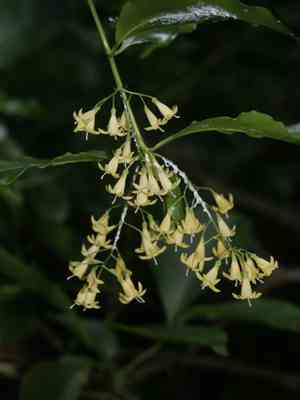
West Indian milkberry is a adaptable plant prized for its inherent healing qualities.
2
This remarkable plant finds frequent application in folk medicine owing to its powerful constituents.
3
West Indian milkberry thrives in diverse climates, ensuring its widespread availability.
The Diverse Applications of West indian milkberry
How Can West indian milkberry Enhance Your Garden?
Gardens are more than just spaces for beauty; they are an extension of your living environment that can contribute to your health and happiness. West indian milkberry is an excellent addition to any garden for several reasons. Firstly, it is known for its resilience and adaptability, thriving in various climates and soil types. This makes it an ideal choice for both novice and experienced gardeners. Secondly, West indian milkberry has visually appealing foliage and berries, adding an aesthetic value to your outdoor space. These features not only enhance the beauty of your garden but also attract beneficial insects and birds, promoting biodiversity.
What Traditional Remedies Utilize West indian milkberry?
Throughout history, West indian milkberry has been a cornerstone in various traditional medicine practices. Various cultures prize its roots, leaves, and berries for their natural compounds, which are believed to aid in multiple health benefits. For instance, parts of West indian milkberry are often used to create herbal infusions and topical applications. These preparations are typically favored for their soothing and restorative effects. While the specifics of these traditional remedies vary by region, the underlying appreciation for the plant's natural properties remains consistent across cultures.
Understanding the Growth Requirements of West indian milkberry
What Are the Ideal Growing Conditions for West indian milkberry?
West indian milkberry is a hardy plant that can adapt to various environmental conditions, making it a versatile choice for gardeners. It prefers well-drained soil and can tolerate both partial shade and full sun. Watering requirements are relatively low once the plant is established, making it a sustainable option. For optimal growth, it's advisable to plant West indian milkberry in a spot where it can receive adequate sunlight and minimal exposure to frost.
How to Properly Care for West indian milkberry?
Caring for West indian milkberry involves regular but moderate watering, especially during the initial growth phase. Ensure the soil remains moist but not waterlogged to prevent root rot. Fertilization can be minimal, as West indian milkberry thrives in nutrient-poor conditions, but a light application of organic compost can boost growth. Pruning is another essential care aspect, as it helps maintain a healthy shape and encourages new growth. Removing dead or diseased branches ensures the plant's longevity and continued health.
Exploring the Environmental Benefits of West indian milkberry
What Role Does West indian milkberry Play in Biodiversity?
West indian milkberry significantly contributes to biodiversity by providing habitat and food for various wildlife species. Its flowers attract pollinators such as bees and butterflies, essential for the ecosystem's health. Additionally, the berries serve as a food source for birds and small mammals, promoting a balanced and thriving ecosystem. Planting West indian milkberry in your garden can thus support local wildlife and contribute to larger conservation efforts.
Can West indian milkberry Help in Soil Improvement?
Yes, West indian milkberry can play a vital role in improving soil health. Its extensive root system helps in preventing soil erosion, making it an excellent plant for stabilizing slopes and embankments. Moreover, the organic matter from fallen leaves enhances soil fertility by adding nutrients back into the ground. This attribute makes West indian milkberry a valuable plant for sustainable gardening practices, encouraging healthier soil and robust plant life.
Practical Uses of West indian milkberry Beyond the Garden
Can West indian milkberry Be Used in Homemade Products?
West indian milkberry extends its benefits beyond the garden through its potential use in homemade products. Many people create natural teas, tinctures, and beauty products using different parts of the plant. These DIY products often capitalize on the plant's favorable compounds, providing natural alternatives to commercially available items. For example, infusions made from West indian milkberry can serve as gentle skin tonics or aromatic teas favored for their naturally occurring antioxidants.
How to Harvest and Store West indian milkberry for Best Results?
To make the most of West indian milkberry's benefits, proper harvesting and storage techniques are essential. Harvest the plant's berries and leaves during their peak season when they are most vibrant. Dry the leaves in a well-ventilated area, away from direct sunlight, to retain their potency. Berries can be used fresh or dried for later use. Store dried parts in airtight containers to maintain their quality. Proper storage ensures that you have access to West indian milkberry's benefits throughout the year.



