How to Prune Greater pond-sedge?
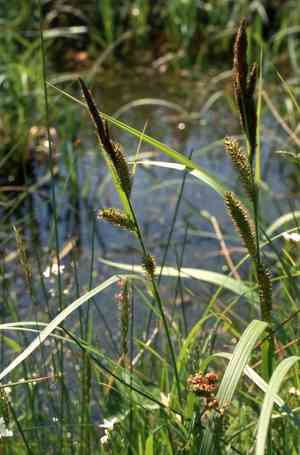
A resilient perennial grass, greater pond-sedge flourishes in aquatic environments, characterized by its elevated, rigid stalks and abundant leaves. To ensure peak vitality and development, trimming is best performed in early spring or during the winter season. Consistent removal of deceased or discolored leaves fosters strength and preserves an appealing look. The plant's capacity to endure severe cutting renders it suitable for sculpting, thereby elevating its aesthetic appeal. After flowering, eliminate withered flower stems to stimulate fresh development and minimize uncontrolled seed dispersal, thus safeguarding local ecological diversity.
What Are the Benefits of Pruning Greater Pond-sedge?
What Are the Benefits of Pruning Greater Pond-sedge?
Trimming greater pond-sedge promotes robust development and helps maintain its desired form. Regular cutting eliminates dead or overgrown parts, ensuring the plant's optimal health and visual appeal.
What Is the Best Time for Pruning Greater Pond-sedge?
What Is the Best Time for Pruning Greater Pond-sedge?
Pruning or trimming greater pond-sedge in early spring aligns with the plant's preparation for new growth. After winter dormancy, pruning at this time can stimulate greater pond-sedge's growth and allows gardeners to shape the plant and remove any dead or damaged tissue that occurred over winter, thus promoting healthier foliage and structure. Winter is also considered a suitable time for pruning greater pond-sedge as the plant is dormant, and this minimizes stress and the risk of disease transmission. Pruning during dormancy allows for better visibility of the plant's structure without the obstruction of leaves, enabling more precise cuts. Additionally, cutting back greater pond-sedge before the onset of spring growth ensures that the plant's energy is directed into producing new, healthy growth rather than sustaining old or damaged tissues.
What Tools Do I Need to Prune Greater Pond-sedge?
Hand Pruners
For precise cutting and shaping of greater pond-sedge, hand pruners or secateurs are ideal. They allow for clean cuts on thinner stems, preventing damage to the plant's structure.
Long-Handled Shears
Greater pond-sedge can form dense clumps; long-handled shears can help trim these clumps down to size and maintain desired form without causing unnecessary strain on the gardener's back or hands.
Garden Scissors
Greater pond-sedge might have smaller stems that require delicate trimming. Garden scissors are perfect for this task as they provide control and precision.
Pruning Saw
When old clumps of greater pond-sedge need to be removed or when working on thicker stems, a pruning saw is instrumental. It can handle larger, woodier parts of the plant that hand pruners cannot.
Pruning Gloves
To protect the hands from the rough edges and potentially irritating sap while pruning greater pond-sedge, wear durable gloves.
Sharpening Tool
Keeping pruning tools sharp ensures clean cuts, which are essential for the health of greater pond-sedge, reducing the risk of disease.
How to Prune Greater Pond-sedge
Clean Tools
Sanitize your pruning shears with isopropyl alcohol or a diluted bleach solution to prevent spreading disease.
Inspect Plant
Carefully examine greater pond-sedge for diseased or withered leaves that are brown, yellow, or show signs of fungal infection or decay.
Cut Diseased Leaves
Use your pruning shears to precisely cut away diseased leaves at the base where they meet healthy tissue, being cautious not to damage new growth.
Remove Withered Leaves
Trim off withered leaves at the base of greater pond-sedge, as close to the soil line as possible without damaging the roots or crowns.
Dispose Waste
Collect and dispose of the removed diseased and withered leaves in the trash to avoid the spread of pathogens in the garden.
Common Pruning Mistakes with Greater Pond-sedge
Over-Pruning
Removing too much foliage at once can stress greater pond-sedge, leading to poor health and reduced vigor.
Inadequate Tools
Using dull or dirty tools can result in jagged cuts or the introduction of disease to greater pond-sedge.
Improper Technique
Cutting the leaves of greater pond-sedge too close to the crown can damage the plant's growth points, hampering regeneration.
Pruning Under Stress
Pruning greater pond-sedge while it is under environmental stress, such as drought, can further weaken the plant.
Neglecting Dead Foliage
Failing to remove dead or damaged leaves can inhibit new growth and create a habitat for pests and diseases in greater pond-sedge.
Lack Of Sterilization
Not sterilizing tools between cuts can spread disease from one part of greater pond-sedge to another.
Common Pruning Tips for Greater Pond-sedge
Selective Trimming
Carefully remove dead or yellowing leaves from greater pond-sedge at the base to promote air circulation and new growth.
Sharp Tools
Use sharp, clean shears or scissors for pruning to ensure clean cuts and prevent damage to greater pond-sedge's leaves.
Seasonal Awareness
Prune greater pond-sedge at the appropriate time in its growth cycle, notwithstanding the exclusion of seasonal timing details.
Post-Pruning Care
Water greater pond-sedge adequately after pruning to help it recover and ensure it has the resources to regrow healthily.
Protective Growth
Leave a sufficient amount of foliage to protect the crown of greater pond-sedge and support its photosynthesis and continued growth.
Regular Maintenance
Regularly inspect greater pond-sedge for dead or damaged foliage and remove it promptly to maintain the plant's health and appearance.
Tool Hygiene
Disinfect pruning tools before and after use to prevent the spread of disease among greater pond-sedge plants.



