The Greater pond-sedge Plant Advantage: Maximizing Home and Office Appeal and Wellness
1
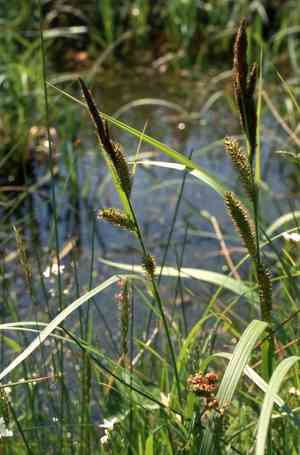
This adaptable flora is crucial for water cleansing and ground firming.
2
Often present in marshy regions, it sustains various creatures by offering vital living space.
3
Its thread-like roots aid in lessening erosion and enhancing water purity through pollutant filtration.
Why is Greater pond-sedge Important for Ecosystems?
Water Purification
Greater pond-sedge plays a crucial role in natural water cleansing systems. Its root structure is highly effective at filtering out contaminants and excess nutrients from water. As water moves through wetland regions where Greater pond-sedge flourishes, pollutants like heavy metals and nitrogen compounds are absorbed and broken down by the plant. This process significantly improves water quality and contributes to healthier aquatic environments.
Soil Stabilization
Another significant advantage of Greater pond-sedge is its capacity to stabilize soil. Its dense, fibrous roots bind the soil together, preventing erosion, particularly in wetland and riparian zones. This characteristic is vital for maintaining the structural integrity of shorelines and riverbanks, reducing the likelihood of soil loss during heavy rains and floods.
How Does Greater pond-sedge Support Biodiversity?
Habitat Creation
Greater pond-sedge is invaluable for establishing and sustaining habitats for a diverse array of wildlife. It offers refuge and breeding grounds for various species, including birds, insects, and small mammals. These organisms depend on the dense foliage and root systems of Greater pond-sedge for protection and nesting sites, making it a foundational species that supports local biodiversity.
Food Source
Beyond providing habitat, Greater pond-sedge also serves as a food source for numerous wildlife species. Its seeds and leaves are consumed by birds and mammals, while the plant itself is grazed by herbivores. By offering a consistent food supply, Greater pond-sedge helps sustain the local food web and supports the overall health of the ecosystem.
What are the Practical Uses of Greater pond-sedge?
Landscaping and Erosion Control
Greater pond-sedge is increasingly utilized in landscaping and erosion control projects due to its robust root systems and adaptability to wet conditions. It is often planted along stream banks, ponds, and wetlands to prevent soil erosion and enhance the aesthetic appeal of these areas. Its resilient nature allows it to thrive in various environments, making it a versatile choice for ecological landscaping.
Crafting and Traditional Uses
Historically, Greater pond-sedge has been employed in crafting and traditional practices. The plantâs stems and leaves are durable and flexible, making them suitable for weaving mats, baskets, and other items. This sustainable use of Greater pond-sedge not only preserves traditional crafting techniques but also encourages the utilization of natural, renewable resources.
How Can You Cultivate Greater pond-sedge in Your Garden?
Site Selection and Soil Preparation
To successfully grow Greater pond-sedge in your garden, it is essential to choose an appropriate location. This plant thrives in wet, marshy areas with ample sunlight. Preparation involves ensuring that the soil remains consistently moist, and incorporating organic matter can boost soil fertility. Planting Greater pond-sedge near water bodies or in low-lying areas where water collects can help replicate its natural habitat.
Planting and Maintenance
Once the site is prepared, planting Greater pond-sedge involves placing it in the ground at the same depth it was growing in the pot. Regular watering is crucial, especially during dry periods, to maintain the moisture levels the plant requires. Minimal upkeep is needed once Greater pond-sedge is established, making it a low-maintenance addition to your garden that continually offers ecological benefits.



