How to Prune Apple of Sodom?
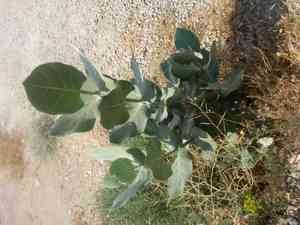
Recognized for its expansive foliage and glossy blossoms, apple of Sodom is a resilient, rapidly developing bush. Trim to eliminate lifeless or ailing limbs, preserve its form, and foster air circulation. The ideal period for pruning is winter, while the plant is inactive, to lessen strain and prevent sap leakage. Particularly for apple of Sodom, trimming can also aid in regulating its proliferation since it possesses invasive tendencies. Regular cutting can boost bloom production and manage the plant's dense, milky fluid, which is poisonous and requires cautious handling.
What Are the Benefits of Pruning Apple Of Sodom?
What Are the Benefits of Pruning Apple Of Sodom?
Trimming apple of Sodom promotes vigorous development and maintains its desired structure. Regular cutting helps revitalize the plant, ensuring it directs energy towards becoming more robust and preserving its defined shape.
What Is the Best Time for Pruning Apple Of Sodom?
What Is the Best Time for Pruning Apple Of Sodom?
Pruning apple of Sodom in late winter to early spring, just before the growth season begins, facilitates the plant's recovery and strong development. This timing avoids cutting the plant during its active growth phases in spring and summer, which can stress it and reduce its vitality. Pruning in late winter minimizes the risk of exposing fresh cuts to harsh winter conditions that can damage plant tissues. It also lowers the chance of infection from pests and diseases that are less active during colder months. The dormant state of apple of Sodom in winter allows for better visibility of the plant's structure, enabling more precise and effective pruning. Additionally, pruning before the spring growth spurt ensures that energy reserves are used for healing and new growth, rather than supporting unnecessary or diseased branches. This strategic timing aligns with the natural growth cycle of apple of Sodom and supports its health, encouraging abundant flowering and fruiting in subsequent seasons.
What Tools Do I Need to Prune Apple Of Sodom?
Hand Pruners
Perfect for making clean cuts on apple of Sodom's young stems and foliage. They ensure accuracy and cause minimal harm to plant tissues, aiding in faster recovery.
Lopping Shears
Used for cutting through thicker branches of apple of Sodom that hand pruners cannot manage. Their long handles provide leverage to simplify the task.
Pruning Saws
Essential for removing mature, woody stems that have thickened over time. A pruning saw can handle branches too thick for loppers, ensuring a proper cut without harming the plant.
Gloves
Given apple of Sodom's potential skin irritants, protective gloves are crucial to prevent direct contact with the plant's sap during pruning.
Cleaning Supplies
Tool disinfectants or alcohol wipes are necessary for sanitizing pruning tools before and after use to prevent disease spread in apple of Sodom.
How to Prune Apple Of Sodom
Sterilize Tools
Before pruning apple of Sodom, sanitize all cutting implements using rubbing alcohol or a bleach solution to prevent the spread of illness.
Identify
Examine apple of Sodom closely to pinpoint dead or diseased branches which may appear dry, brittle, or discolored compared to the healthy green growth.
Cut
Use sharp pruning shears or a saw for thicker branches to make clean cuts. For diseased branches, cut at least a few inches into healthy wood to ensure complete removal of affected tissue.
Dispose
After cutting, discard dead and diseased branches properly, away from healthy apple of Sodom plants, to prevent the spread of any pathogens.
Clean Up
Clean all tools and the work area thoroughly after pruning apple of Sodom to minimize the risk of disease transfer to other plants.
Common Pruning Mistakes with Apple Of Sodom
Overpruning
Removing too much growth at once can shock apple of Sodom, potentially leading to stunted development or even plant demise.
Incorrect Cutting Technique
Making cuts that are either too angled or too blunt can damage apple of Sodom and may lead to disease entry.
Pruning During Active Growth
Cutting back apple of Sodom while it is actively growing can hinder its bloom cycle and vigor.
Using Unclean Tools
Pruning with dirty equipment can introduce pathogens to apple of Sodom, increasing the risk of infections.
Neglecting To Remove Dead Material
Failing to clear away dead or diseased parts of apple of Sodom can impede healthy growth and cause the plant stress.
Ignoring Plant Shape
Random or improper cutting without considering the natural shape of apple of Sodom can result in an unbalanced, aesthetically unpleasing form.
Common Pruning Tips for Apple Of Sodom
Sharp And Clean Tools
Use sterilized, sharp pruning shears to ensure clean cuts that heal quickly, preventing disease.
Prune For Air Circulation
Thin out apple of Sodom's center to improve airflow, which helps to prevent fungal diseases and supports healthy growth.
Cut At A Slight Angle
Make cuts at a gentle angle away from a bud to direct new growth and avoid water pooling, which can promote rot.
Selective Thinning
Selectively remove weaker branches of apple of Sodom, promoting stronger growth and better shape.
Conservative Approach
Start with a less-is-more approach, as apple of Sodom can be sensitive to heavy pruning. Adjust based on the plant's response.
Target Dead Material
Remove dead or dying branches first to rejuvenate apple of Sodom and encourage new growth.



