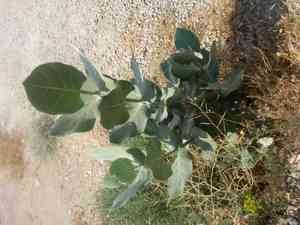
Apple of Sodom(Calotropis procera)

Apple of Sodom (Calotropis procera)

Also known as: Dead Sea fruit, Stabragh, Small crownflower

The castor bean plant (Ricinus communis) is highly toxic due to the presence of ricin in its seeds. However, in Jamaica, the oil extracted from these seeds, known as castor oil, is commonly used for various household purposes such as medicinal remedies and beauty treatments.

Attributes of Apple of Sodom

Lifespan
Perennial
Plant Type
Tree, Herb, Shrub
Plant Height
1.8 m to 2.5 m
Spread
1.8 m to 2.5 m
Leaf Color
Green Silver
Flower Size
2.5 cm
Flower Color
White Purple Pink

ForwardPlant - Identify plants with a snap

Identify and diagnose plants, get toxicity alerts, and explore safety guides for all types of fungi.

Try for Free

Images of Apple of Sodom

Apple of Sodom(Calotropis procera)

Quickly Identify Apple of Sodom

1
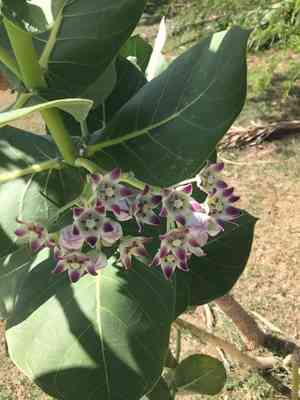
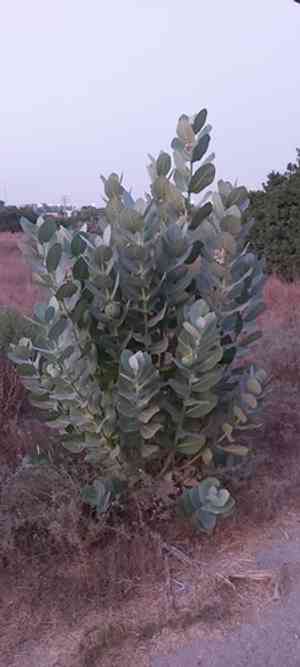
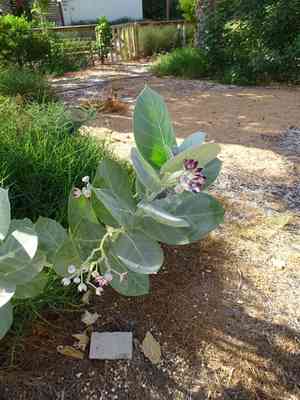
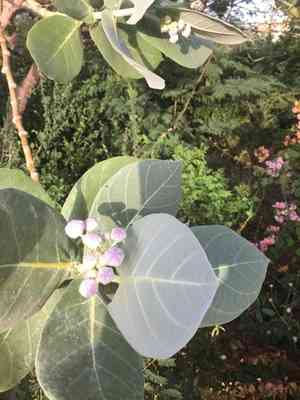
Calotropis procera can be identified by its large, oval-shaped leaves which are grayish-green and covered in a thick, waxy coating. The plant has a milky latex that exudes when leaves or stems are cut. Its flowers are characterized by five purple-tipped white petals.

Scientific Classification of Apple of Sodom

Phylum
Vascular plants
Class
Dicotyledons
Order
Gentianales
Family
Dogbane
Genus
Milkweeds
Species
Apple of Sodom

Planting and Growing of Apple of Sodom

Care Difficulty
Easy
Watering Schedule
Every 2 days
Sunlight Requirements
Full sun
Sunshine Duration
6-10 hours
Ideal Temperature
68-86℉
Soil Type
Potting Mix, Peat Mix
Soil pH
6.5-8.5
Fertilizer Type
Balanced
Pruning Season
Spring, Summer
Pruning Area
Branches, Leaves
Pruning Frequency
2 times a year
Repotting Season
Spring
Pot Type
Plastic, Ceramic

water icon How to Water Apple of Sodom?

Calotropis procera requires water only when the soil is completely dry. This plant thrives in arid environments, so it's crucial to avoid overwatering. The watering should ensure that the soil is moist but not soggy, using about 500 ml of water each time.
What are the symptoms of an underwatered Apple of Sodom?
What should I do if my Apple of Sodom is not getting enough water?
What are the symptoms of an overwatered Apple of Sodom?
How to save an overwatered Apple of Sodom?

sunlight icon What Are the Sunlight Requirements for Apple of Sodom?

Sunlight Requirements: Full sun, Partial sun
Duration of light: 6 to 8 hours daily
Calotropis procera flourishes in full sunlight, ideally getting 8 hours daily. Adequate sunlight promotes healthy foliage and enables the plant to sustain itself with strong stems and vibrant leaves, essential for its ornamental appeal and ecological functions.
Best Environment for Growth
Positioning to Optimize Light
Seasonal Light Adjustments
More About Sunlight Requirements Techniques

temperature icon What Is the Ideal Temperature Range for Apple of Sodom?

Ideal Temperature: 68 ~ 86℉
Calotropis procera thrives best in temperatures ranging from 68°F to 86°F. Within this range, the plant experiences optimal metabolic activity, leading to healthy growth and flowering. It is crucial to maintain this temperature window to ensure the plant performs at its full potential.

soil icon What Soil is Best for Apple of Sodom?

Soil type: Sandy soil, Loam, Sandy loam
Soil PH: 6.5 ~ 8.5
Calotropis procera thrives in well-drained soil. This ensures that the roots do not sit in water, reducing the risk of root rot and other diseases which thrive in wet conditions. This plant can grow in nutrient-lean soils. Such soils mimic its natural arid conditions and prevent the plant from growing too vigorously, which helps maintain its characteristic shape and form. Calotropis procera can tolerate occasional soil salinity, a benefit in coastal regions where salt spray may affect soil conditions. This resilience allows it to flourish where other plants may fail.

fertilize icon How to Fertilize Apple of Sodom?

Fertilizer type: Balanced
Calotropis procera requires a balanced approach to fertilization. Use 10-10-10 NPK liquid fertilizer at a dilution of 1 tablespoon per gallon of water. For slow-release fertilizers, a ratio of 14-14-14 is ideal. Apply approximately 3 ounces around the plant base.

prune icon How to Prune Apple of Sodom?

Pruning Time: Spring, Summer
Start by identifying any dead, damaged or diseased branches and remove them using clean, sharp pruning tools. This prevents the spread of disease and helps the plant focus its energy on healthy growth. Next, look for branches that are crossing or growing inward and remove these as well to improve air circulation and light penetration. Finally, you may trim tips of the plant to encourage a more bushy form. More About Pruning Techniques

propagate icon How to Propagate Apple of Sodom plant?

Propagate Time: Early spring, Late spring
1
Seeds should be harvested from mature Calotropis procera pods during the early spring when they are fully developed. Ensure that seeds are dried and stored in a cool, dry place until you're ready to plant them.
2
In late spring, take 6-8 inch cuttings from healthy, non-flowering shoots. Remove any leaves from the lower part of the cutting and treat the base with a rooting hormone to encourage root formation.
3
Plant seeds or cuttings in well-draining soil, ensuring they receive plenty of sunlight. Water them lightly, and maintain warmth to promote germination or rooting. Avoid overwatering and watch out for any fungal issues.
More About Propagating Techniques

repot icon How to Repot Apple of Sodom plant?

Repotting frequency: Every 2-3 years
1
Calotropis procera shows signs of needing a repot when its roots begin to circle the pot or show through drainage holes. Additionally, if its growth seems stunted despite good care, it's time to consider repotting. Ideally, repot in warmer months for optimal recovery.
2
Select a pot with sufficient drainage holes to avoid waterlogging. A size increase of 2-4 inches allows root expansion without overwhelming the plant. Use clay pots for their breathability, which aids water evaporation and root health.
3
Opt for a well-draining sandy soil mix that mimics its natural habitat. The mix should allow excess water to flow freely to prevent root rot, providing a balance between moisture retention and drainage, supporting robust growth.

ForwardPlant - Identify plants with a snap

Find the best spots for them to optimize their health, simply using your phone.

Try for Free

Toxicity of Apple of Sodom

Is Apple of Sodom toxic to humans?

The Apple of Sodom has a moderate toxicity level and can provoke allergic reactions in people. Every part of this plant is considered toxic, with the potential for poisoning occurring through both skin contact and swallowing. Coming into contact with the plant may lead to dermatitis or other skin irritations, while ingestion can cause more serious symptoms, including gastrointestinal distress, vomiting, and diarrhea. The symptoms from ingestion are particularly pronounced, with individuals possibly suffering from severe abdominal pain, nausea, and potential harm to the digestive system. Given the plant's widespread toxicity, it is essential to prevent any accidental ingestion or direct contact with any part of the Apple of Sodom, as it poses a significant health threat to humans.

Is Apple of Sodom toxic to cat?

Apple of Sodom exhibits a moderate level of toxicity for cats, and felines can face poisoning through skin contact or inadvertent consumption of any portion of the plant. If exposed to apple of Sodom, a cat may demonstrate noticeable signs of physical discomfort and distress. Cat owners should remain vigilant to prevent their pets from interacting with or ingesting apple of Sodom. In cases of suspected poisoning, prompt veterinary care is crucial to address and alleviate the impact on the cat's well-being.

Is Apple of Sodom toxic to dog?

Apple of Sodom presents a moderate toxicity threat to dogs. Canines may suffer poisoning from apple of Sodom through direct interaction with the plant or accidental ingestion of its parts. The entire plant is toxic, meaning every aspect of apple of Sodom poses a potential risk if dogs engage with it. Symptoms indicating poisoning in dogs may encompass gastrointestinal distress, vomiting, diarrhea, and possibly more serious reactions depending on the quantity and specific parts of the plant ingested. It is essential for dog owners to prevent their pets from interacting with or consuming any part of the apple of Sodom. Should there be a suspicion that a dog has been poisoned by apple of Sodom, it is critical to obtain immediate veterinary assistance to ensure the best possible recovery for the animal.

Identify toxic plants for your safety

Learn which plants are harmful to you and your pets, and make informed choices for a safer home!

Try for Free
WARNING
The judgment on toxicity and danger is for reference only. We DO NOT GUARANTEE any accuracy of such judgment. Therefore, you SHALL NOT rely on such judgment. It is IMPORTANT TO SEEK PROFESSIONAL ADVICE in advance when necessary.
More About Toxic Techniques