How to Propagate Apple of Sodom?
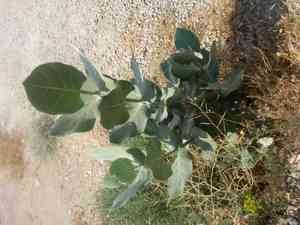
A resilient bush featuring prominent purple blossoms, apple of Sodom flourishes in dry environments. Reproduction is primarily accomplished through cuttings, guaranteeing rapid rooting and precise duplication of particular characteristics. For optimal outcomes, utilize semi-hardwood stem cuttings from strong, thriving shoots and apply rooting stimulant prior to embedding them in porous soil. Steady hydration and warmth encourage root development, while diligently preventing saturated conditions to avert decay.
When Is the Optimal Time to Propagate Apple Of Sodom?
Propagation Method
Cutting
Propagation Period
Autumn,Winter
What Equipment Is Used for Apple Of Sodom Propagation?
Sharp Pruning Shears
These are vital for taking clean, precise cuttings from apple of Sodom. Sharp shears prevent harm to the parent plant and ensure healthy cut surfaces on the cuttings, which is key for successful rooting.
Rooting Hormone
This substance promotes quicker and more dependable root formation in apple of Sodom cuttings. Dipping the cut end into rooting hormone boosts the likelihood of successful root establishment, crucial for robust plant growth.
Sterilized Potting Mix
Using a well-draining, sterile potting mix prevents disease and supports healthy root development for apple of Sodom cuttings. A mix for succulents or cacti often works well, ensuring proper drainage and air circulation for new roots.
Plant Pots with Drainage Holes
These pots are essential for draining excess water, preventing root rot and other moisture-related issues in apple of Sodom. Good drainage is critical for the health of newly propagated plants.
Misting Bottle
This tool is used to gently water apple of Sodom cuttings without disturbing the rooting medium or delicate new roots. Regular misting helps maintain adequate moisture, vital for cutting survival until roots are well-established.
How to Propagate Apple Of Sodom?
Propagation Difficulty
Moderately Difficult
How to Care for Your Newly Propagated Apple Of Sodom?
How to Care for Your Newly Propagated Apple Of Sodom?
Once the apple of Sodom cutting has rooted, typically after several weeks, gradually remove the plastic cover to acclimate it to ambient humidity. Continue to water when the top inch of soil feels dry, and provide full to partial sunlight. Protect apple of Sodom from cold and drafts. Fertilizing isn't immediately needed, but after significant growth, a balanced, water-soluble fertilizer can be applied during the active growing season to aid its development.
Common Errors to Avoid When Propagating Apple Of Sodom
Overwatering
Excessive watering can cause root rot in apple of Sodom, impeding its ability to form a strong root system during propagation.
Deep planting
Planting apple of Sodom cuttings too deeply can suffocate developing roots and reduce the chances of successful growth.
Ignoring pest control
Neglecting pest management during the early propagation stages can damage young plants, potentially leading to propagation failure.
Overlooking sap irritation
Disregarding the potentially irritating sap of apple of Sodom can be harmful to the propagator and cause damage if it contacts skin or eyes.
Neglecting acclimatization
Not acclimating the plant to its new environment can shock apple of Sodom, causing stress or even death to the propagated cuttings or seedlings.
Advice For Propagating Apple Of Sodom
Appropriate moisture
Maintain balanced soil moisture, ensuring it's consistently moist but not waterlogged to encourage healthy root development in apple of Sodom.
Shallow planting
Plant apple of Sodom cuttings at an adequate depth to allow for sufficient oxygen exchange and root growth without burying them too deeply.
Pest monitoring
Regularly monitor and manage pests to prevent them from impacting the health and growth of apple of Sodom during the propagation phase.
Sap protection
Wear protective gloves and clothing when handling apple of Sodom to prevent skin and eye irritation from the sap.
Gradual acclimatization
Slowly acclimate apple of Sodom to its new environment by gradually introducing it to the soil conditions, light, and temperature to avoid propagation shock.



