Enhancing Your Garden Design with the Apple of Sodom Plant: A Landscaping Guide
1
The visually distinctive Apple of Sodom can elevate your garden's aesthetic.
2
Apple of Sodom exhibits great versatility, proving a robust selection for various settings.
3
Its minimal care needs render Apple of Sodom an appealing choice for both new and seasoned gardeners.
Why Incorporate Apple of Sodom into Your Landscape Design?
Visually Distinctive: The striking appearance of Apple of Sodom
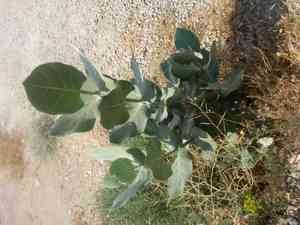
When selecting plants for outdoor spaces, visual appeal is paramount. Apple of Sodom distinguishes itself with its captivating look, showcasing remarkable foliage and a unique structural form. Unlike typical garden flora, Apple of Sodom offers a singular aesthetic that can infuse character and charm into any setting. Its prominent broad leaves and vibrant blossoms serve as excellent discussion starters, making your garden not only attractive but also intriguing.
Versatility: How well does Apple of Sodom adapt to diverse environments?
Apple of Sodom is renowned for its impressive ability to thrive in a broad spectrum of conditions. Whether your garden features sandy, clay, or loamy soil, Apple of Sodom typically flourishes without special amendments. It tolerates both full sun and partial shade, making it suitable for various landscape schemes. This adaptability ensures Apple of Sodom's survival in varied conditions and allows it to prosper where other plants might struggle, providing consistent greenery throughout the year.
Effortless Upkeep: The simplicity of caring for Apple of Sodom
A key benefit of integrating Apple of Sodom into your landscaping is its minimal maintenance requirement. Once established, this plant needs little intervention, primarily occasional watering and pruning to remove dead or damaged leaves. Furthermore, Apple of Sodom resists many common pests and diseases, reducing the need for chemical treatments. This low-maintenance profile makes Apple of Sodom an excellent choice for homeowners seeking beautiful, easy-care garden options.
Designing with Apple of Sodom: Creative Concepts and Advice
Integrating Apple of Sodom with Other Plants: A balanced blend
Achieving a cohesive garden relies on effective plant pairings. Apple of Sodom complements various other plants due to its distinct texture and shape. Consider combining it with colorful perennials or ornamental grasses for a striking contrast. The key is to balance Apple of Sodom's bold structure with softer, more delicate plants. This not only enhances visual appeal but also fosters a more dynamic and engaging garden environment.
Utilizing Apple of Sodom as a Central Feature: Methods to attract attention
Apple of Sodom's distinctive appearance makes it an ideal candidate for a garden focal point. Position it where its striking attributes can be best appreciatedâsuch as the center of a flower bed, alongside a garden path, or as a standalone element in a front yard. By highlighting Apple of Sodom, you not only draw attention to its beauty but also create a landmark within your landscape that guides the eye and enhances the overall garden design.
Apple of Sodom in Various Landscape Styles: From formal to informal gardens
Adaptability is another of Apple of Sodom's strengths, as it suits diverse landscaping styles. In a formal garden, Apple of Sodom can contribute to structured layouts with its strong form. Conversely, in a cottage garden setting, it introduces an exotic touch, blending well with more relaxed, informal planting arrangements. Its versatility across different styles means Apple of Sodom can seamlessly integrate into a variety of garden aesthetics, making it an invaluable asset for any design.
Challenges and Considerations When Cultivating Apple of Sodom
Growth Management: Controlling the spread of Apple of Sodom
While Apple of Sodom is easy to maintain, managing its growth is crucial to prevent it from becoming overly expansive. Regular trimming helps control its size and maintain its desired form. Additionally, planting it in a confined area or using root barriers can prevent its spread to undesired parts of your garden. Awareness and proactive oversight are essential to ensure Apple of Sodom enhances rather than dominates your landscape.
Potential Hazards: Be aware of Apple of Sodom's poisonous properties
It is vital to recognize that parts of Apple of Sodom are toxic if consumed, posing a risk to pets and young children. When planting Apple of Sodom, carefully consider its placement, ensuring it is out of reach of curious hands and paws. Informing family members and visitors about the plant's toxic nature can also reduce risk. Proper handling and placement are essential for enjoying Apple of Sodom's beauty while ensuring garden safety.
Getting Started with Apple of Sodom: Initial Steps in Landscaping
Choosing the Optimal Location for Apple of Sodom: Sunlight, Soil, and Space
Selecting the appropriate site is the first step to successfully integrating Apple of Sodom into your landscape. Apple of Sodom thrives in full sun but can tolerate partial shade. Ensure the soil drains well to prevent root rot, and provide ample room for its development. A location with good air circulation will help maintain plant health. By choosing an ideal spot, you set Apple of Sodom up for success from the outset, ensuring it flourishes and enhances your garden.
Planting and Initial Care: Best practices
When planting Apple of Sodom, dig a hole twice the width of its root ball and roughly the same depth. Position the plant in the hole and backfill with soil, gently pressing down to eliminate air pockets. Water thoroughly after planting to establish roots. During the initial weeks, keep the soil consistently moist but not waterlogged. Applying a layer of mulch can help retain moisture and suppress weeds. Following these best practices ensures a strong start for your new garden addition.



